War, Anxiety, Depression & Suicide Rates Explained
Explore how war increases anxiety, depression, and suicide rates, and learn how mental health systems can respond to crisis and trauma.
3/24/20263 min read
War-Related Anxiety, Depression, and Suicide Rates
Introduction
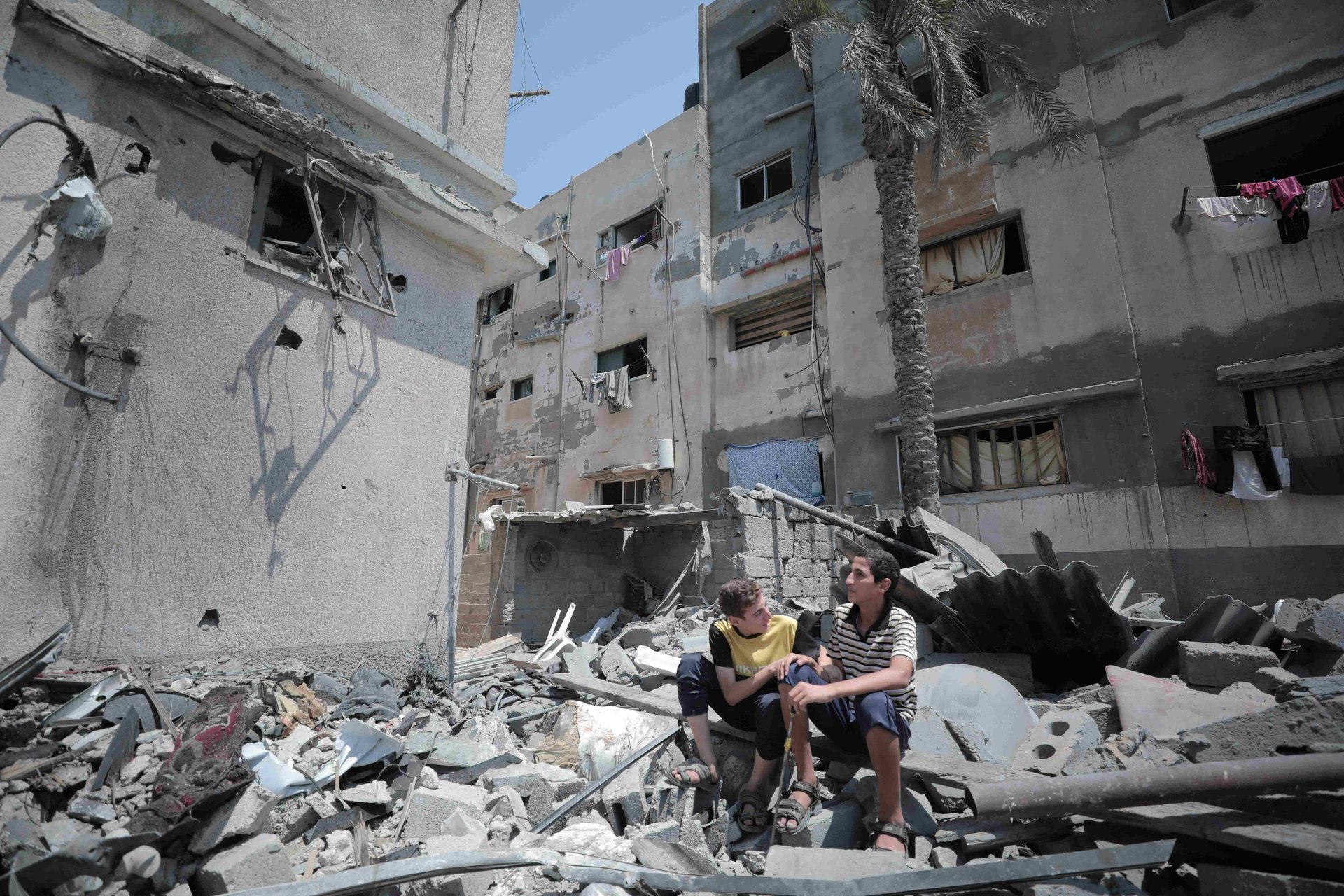
War is not only a geopolitical or humanitarian crisis—it is also a profound mental health emergency. Beyond the visible destruction, war leaves deep psychological scars on individuals and communities. Exposure to violence, displacement, and loss significantly increases the risk of anxiety, depression, and suicide. As conflicts persist globally, understanding the mental health impact of war has become critical for healthcare systems, policymakers, and humanitarian organizations.
The Psychological Impact of War
Understanding Trauma in Conflict Zones
War exposes individuals to life-threatening situations, including bombings, displacement, and the loss of loved ones. These experiences often result in:
Chronic stress
Emotional instability
Long-term psychological trauma
One of the most common conditions associated with war is Post-Traumatic Stress Disorder, which can persist for years if untreated.
Who Is Most Affected?
While war impacts entire populations, certain groups are more vulnerable:
Children and adolescents
Refugees and displaced populations
Healthcare workers and first responders
Survivors of violence and loss
These groups often face compounded stressors, increasing their risk of developing mental health disorders.
War and Anxiety Disorders
Rising Levels of Anxiety
Exposure to war conditions leads to heightened anxiety levels. Individuals may experience:
Constant fear and hypervigilance
Sleep disturbances
Panic attacks
According to the World Health Organization, people living in conflict zones are at significantly higher risk of developing anxiety disorders compared to those in stable regions.
Impact on Daily Life
Anxiety caused by war can interfere with basic functioning, making it difficult for individuals to:
Work or attend school
Maintain relationships
Perform daily activities
War and Depression
The Burden of Depression in Conflict Settings
Depression is one of the most prevalent mental health conditions linked to war. Factors contributing to depression include:
Loss of family members
Destruction of homes and communities
Economic instability
The World Health Organization estimates that 1 in 5 people in conflict-affected areas experience mental health conditions, including depression.
Symptoms and Long-Term Effects
Depression related to war often manifests as:
Persistent sadness
Loss of interest in activities
Feelings of hopelessness
If untreated, it can lead to severe outcomes, including suicidal behavior.
Suicide Rates in War-Affected Populations
Increased Risk of Suicide
The psychological toll of war significantly increases suicide risk. Contributing factors include:
Untreated mental health disorders
Social isolation
Economic hardship
Studies suggest that suicide rates may rise during and after conflicts, particularly in populations with limited access to mental health care.
Barriers to Mental Health Support
In war zones, access to mental health services is often limited due to:
Damaged healthcare infrastructure
Shortage of trained professionals
Stigma surrounding mental illness
These barriers prevent individuals from receiving timely care.
Impact on Children and Adolescents
Childhood Trauma and Development
Children exposed to war are particularly vulnerable to long-term psychological effects. These may include:
Behavioral issues
Learning difficulties
Emotional instability
Early exposure to trauma can have lifelong consequences on mental health and development.
Intergenerational Effects
The impact of war can extend across generations, as trauma experienced by parents may influence the mental well-being of their children.
Global Case Studies
Syria Conflict
The Syrian Civil War has resulted in widespread mental health challenges, with millions experiencing anxiety and depression due to prolonged exposure to violence.
Ukraine Crisis
The Ukraine-Russia War has highlighted the urgent need for mental health support, as civilians face ongoing stress and uncertainty.
Afghanistan
In Afghanistan, decades of conflict have contributed to high rates of depression and limited access to mental health services.
Strategies to Address Mental Health in War Zones
1. Expanding Mental Health Services
Increasing access to care is essential to address the psychological impact of war. This includes:
Integrating mental health into primary care
Training local healthcare workers
Providing community-based support
2. Use of Technology and Telemedicine
Digital platforms can help deliver mental health services in areas affected by war, especially where in-person care is limited.
3. Reducing Stigma
Public awareness campaigns can encourage individuals to seek help and reduce the stigma associated with mental illness.
4. International Support
Organizations like the World Health Organization play a key role in providing resources and guidance for mental health interventions in conflict zones.
Internal Linking Suggestions
Read our article about “AI-powered mental health therapy”
Learn more about “Shortage of doctors and nurses during war”
FAQ Section
1. How does war affect mental health?
War increases exposure to trauma, leading to higher rates of anxiety, depression, and conditions like PTSD.
2. Why do suicide rates increase during war?
Factors such as trauma, loss, and lack of mental health services contribute to higher suicide risk during war.
3. Who is most vulnerable to mental health issues in war?
Children, refugees, and individuals directly exposed to violence are most at risk.
4. Can mental health effects of war be treated?
Yes, with proper support, therapy, and access to care, individuals can recover from the psychological effects of war.
5. What can be done to improve mental health in conflict zones?
Expanding services, using technology, reducing stigma, and increasing international support are key solutions.
References
World Health Organization (WHO): https://www.who.int
United Nations High Commissioner for Refugees (UNHCR): https://www.unhcr.org
The Lancet – Mental Health in Conflict: https://www.thelancet.com
National Institute of Mental Health (NIMH): https://www.nimh.nih.gov
Conclusion & Call-to-Action
The mental health impact of war is profound, affecting millions of people worldwide. Anxiety, depression, and suicide are not just individual struggles—they are public health crises that require urgent attention. Addressing these challenges demands coordinated global efforts, innovative solutions, and a commitment to mental health care.
👉 At HealthInteligence.com, we provide trusted, evidence-based insights into critical health issues. Explore more of our articles to stay informed and help raise awareness about the hidden costs of war on mental health.
Contact
Questions? Reach out anytime, we're here to help.
© 2025. All rights reserved.

