
Shortage of Doctors and Nurses During War
Learn how war causes a shortage of doctors and nurses, disrupting healthcare systems, increasing mortality, and threatening global health stability.
3/24/20264 min read
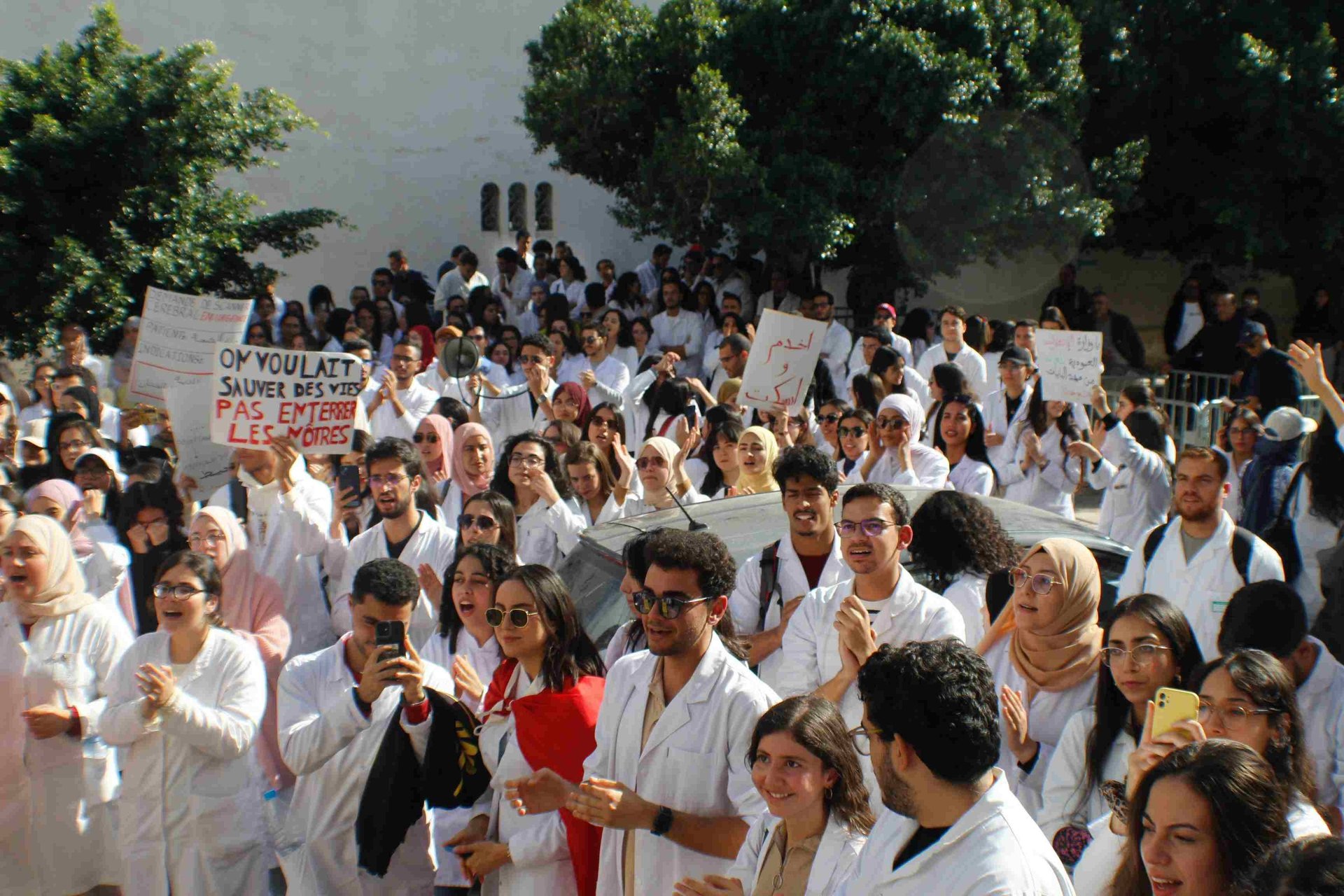
Shortage of Doctors and Nurses During War
Introduction
The shortage of doctors and nurses during war is one of the most critical challenges facing healthcare systems in conflict zones. As violence escalates, healthcare infrastructure collapses, and medical professionals are forced to flee, become injured, or work under extreme conditions. This growing shortage not only weakens emergency response but also disrupts routine care, leading to preventable deaths and long-term public health crises. Understanding the causes and consequences of this shortage is essential for building resilient healthcare systems in times of conflict.
Why War Leads to a Shortage of Doctors and Nurses
1. Forced Displacement and Migration
War often forces doctors and nurses to leave their homes in search of safety. This phenomenon, commonly referred to as “brain drain,” results in:
Loss of skilled healthcare professionals
Uneven distribution of medical expertise
Increased pressure on remaining staff
According to the World Health Organization, conflict-affected countries can lose up to 50% of their healthcare workforce due to displacement and migration.
2. Targeting of Healthcare Workers
Healthcare workers are increasingly becoming targets in modern warfare. Hospitals and clinics are not always protected, and doctors and nurses may face:
Direct attacks
Kidnapping or detention
Threats and intimidation
The International Committee of the Red Cross reports hundreds of incidents annually involving violence against healthcare personnel, contributing to workforce shortages.
3. Burnout and Psychological Trauma
The mental toll on doctors and nurses working in war zones is immense. Continuous exposure to trauma, long working hours, and limited resources often lead to:
Emotional exhaustion
Reduced productivity
Long-term mental health issues such as Post-Traumatic Stress Disorder
This burnout further reduces the availability of skilled healthcare providers.
Impact on Healthcare Systems
1. Collapse of Healthcare Infrastructure
The shortage of doctors and nurses directly contributes to the breakdown of healthcare systems. Without enough staff:
Hospitals cannot operate at full capacity
Emergency services become overwhelmed
Specialized care becomes unavailable
This leads to a decline in the overall quality of care.
2. Increased Mortality Rates
A reduced number of doctors and nurses means fewer patients can receive timely care. This results in:
Higher death rates from injuries
Increased maternal and infant mortality
Poor management of chronic diseases
In conflict zones such as the Syrian Civil War, healthcare workforce shortages have been linked to significant increases in preventable deaths.
3. Disruption of Essential Health Services
Routine healthcare services are often neglected during war due to the shortage of doctors and nurses, including:
Vaccination programs
Prenatal and postnatal care
Treatment of chronic illnesses
This disruption creates long-term health consequences for affected populations.
Public Health Consequences
Spread of Infectious Diseases
With fewer doctors and nurses, disease surveillance and response weaken. This can lead to outbreaks of diseases such as:
Cholera
Measles
Tuberculosis
Delayed diagnosis and treatment increase the risk of widespread transmission.
Malnutrition and Child Health Risks
Children are especially vulnerable during conflicts. The shortage of doctors and nurses limits access to:
Nutritional support
Pediatric care
Immunizations
This contributes to higher rates of malnutrition and child mortality.
Challenges in Training and Education
Interrupted Medical Education
War disrupts universities and training institutions, preventing the next generation of doctors and nurses from completing their education. This leads to:
Long-term workforce shortages
Reduced skill levels
Lack of specialized expertise
Limited On-the-Job Training
In conflict zones, experienced professionals often lack time to mentor new staff, further weakening the healthcare system.
Global Case Studies
Yemen Crisis
In Yemen, years of conflict have resulted in a severe shortage of doctors and nurses, with many facilities operating at minimal capacity. The healthcare system is heavily reliant on international aid.
Ukraine Conflict
The Ukraine-Russia War has displaced thousands of healthcare workers, forcing doctors and nurses to work in dangerous and resource-limited environments.
Afghanistan Healthcare Challenges
In Afghanistan, ongoing instability has led to chronic shortages of doctors and nurses, particularly in rural areas, limiting access to basic healthcare services.
Strategies to Address the Shortage
1. International Support and Funding
Organizations like the World Health Organization play a crucial role in:
Providing financial aid
Supplying medical equipment
Supporting workforce retention programs
2. Protection of Healthcare Workers
Enforcing international humanitarian laws can help safeguard doctors and nurses from attacks and ensure safer working conditions.
3. Task Shifting and Community Training
Training community health workers can help fill gaps left by the shortage of doctors and nurses, especially in remote areas.
4. Use of Telemedicine
Telemedicine enables remote consultations, allowing doctors and nurses outside conflict zones to support local healthcare providers.
Internal Linking Suggestions
Read our article about “Impact of war on emergency medical services (EMS)”
Explore “AI-powered mental health therapy”
Learn more about “Health policy impact on population health”
FAQ Section
1. Why is there a shortage of doctors and nurses during war?
War causes displacement, safety risks, and burnout, leading many doctors and nurses to leave or stop working.
2. How does this shortage affect patient care?
It leads to delayed treatment, reduced access to healthcare, and higher mortality rates.
3. Are healthcare workers protected during conflicts?
International laws exist, but enforcement is inconsistent, and many doctors and nurses remain at risk.
4. What diseases increase during healthcare shortages?
Infectious diseases like cholera and measles often rise due to weakened healthcare systems.
5. How can the shortage be addressed?
Solutions include international aid, training local workers, telemedicine, and better protection for healthcare staff.
References
World Health Organization (WHO): https://www.who.int
International Committee of the Red Cross (ICRC): https://www.icrc.org
United Nations OCHA: https://www.unocha.org
The Lancet – Health in Conflict Settings: https://www.thelancet.com
Conclusion & Call-to-Action
The shortage of doctors and nurses during war is a critical global health issue that demands urgent attention. Without a strong healthcare workforce, entire systems collapse, leaving millions without access to essential care. Addressing this challenge requires coordinated international efforts, innovative solutions, and a commitment to protecting healthcare workers.
👉 At HealthInteligence.com, we provide in-depth, evidence-based insights on global health challenges. Explore more of our articles to stay informed and be part of the solution in shaping a healthier future.
Contact
Questions? Reach out anytime, we're here to help.
© 2025. All rights reserved.

