
Impact of War on Emergency Medical Services (EMS)
Discover how war disrupts emergency medical services, delays care, and increases mortality, and explore solutions to strengthen EMS in conflict zones.
3/24/20264 min read
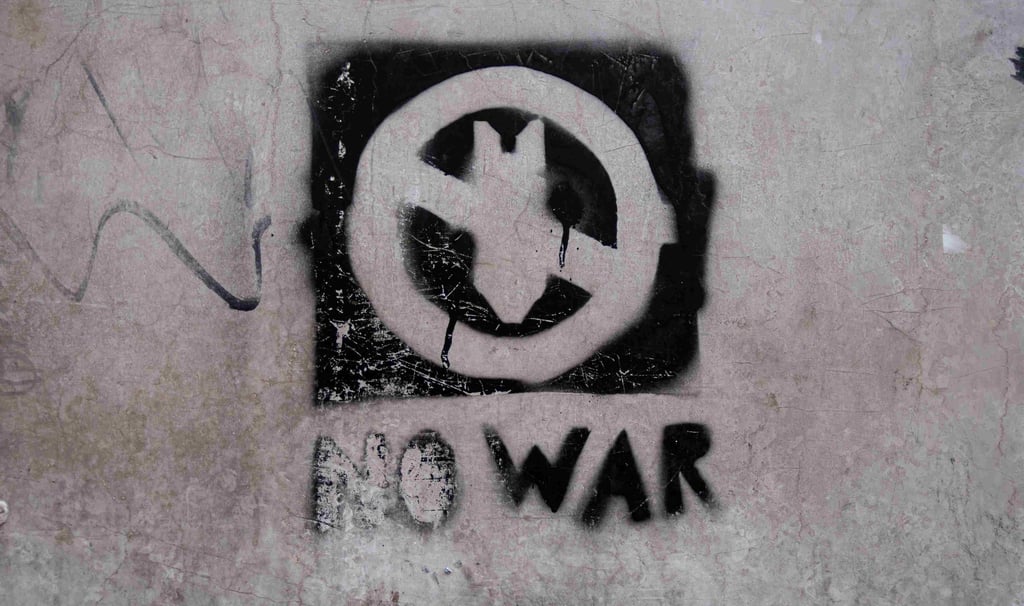
Impact of War on Emergency Medical Services (EMS)
Introduction
Emergency medical services are the backbone of rapid healthcare response, providing life-saving care during accidents, disasters, and critical health events. However, in times of war, these systems face unprecedented challenges that compromise their ability to function effectively. The impact of war on emergency medical services extends far beyond immediate injuries—it disrupts infrastructure, overwhelms responders, and increases preventable deaths. Understanding these effects is essential for improving resilience and protecting vulnerable populations in conflict zones.
What Are Emergency Medical Services (EMS)?
Emergency medical services refer to the coordinated system of healthcare professionals, transportation, and communication networks designed to provide urgent medical care. EMS includes:
Ambulance services
Emergency response teams
Pre-hospital care providers
Dispatch and communication systems
In stable environments, emergency medical services ensure rapid intervention. In war settings, however, these systems are often pushed to collapse.
How War Disrupts Emergency Medical Services
1. Destruction of Infrastructure
Armed conflicts frequently damage or destroy hospitals, roads, and communication networks. Ambulances may struggle to reach patients due to:
Blocked or unsafe roads
Airstrikes targeting infrastructure
Lack of fuel or operational vehicles
According to the World Health Organization, hundreds of healthcare facilities are attacked annually in conflict zones, severely limiting emergency medical services capacity.
2. Delayed Response Times
War significantly increases EMS response times. Delays occur due to:
Security checkpoints
Ongoing combat
Lack of coordination between agencies
These delays can mean the difference between life and death, especially for trauma patients, cardiac arrest, or stroke cases.
3. Shortage of Medical Personnel
Conflict often leads to a mass exodus of healthcare workers. Many EMS professionals:
Flee for safety
Are injured or killed
Experience burnout and trauma
This workforce shortage reduces the efficiency of emergency medical services, leaving fewer trained responders to handle increasing demand.
Increased Demand and Overwhelmed Systems
Mass Casualty Events
War creates frequent mass casualty incidents, overwhelming EMS systems. Unlike typical emergencies, war-related injuries often include:
Blast injuries
Gunshot wounds
Severe burns
These cases require advanced trauma care, which many local EMS systems are not equipped to handle.
Rise in Civilian Injuries
Civilians often make up a significant proportion of casualties in modern conflicts. The breakdown of emergency medical services means:
Delayed treatment
Higher mortality rates
Long-term disabilities
In conflicts like the Syrian Civil War, EMS systems have struggled to keep up with the scale of injuries.
Impact on Public Health and Disease Control
Interrupted Emergency Response for Non-War Conditions
War doesn’t stop heart attacks, strokes, or childbirth emergencies. However, emergency medical services become less accessible for these conditions, leading to:
Increased preventable deaths
Poor chronic disease management
Reduced maternal and neonatal survival
Spread of Infectious Diseases
Disrupted EMS systems also affect disease control. Without rapid response:
Outbreaks go unmanaged
Patients receive delayed isolation and treatment
Conflicts have been linked to outbreaks of diseases like Cholera due to poor sanitation and delayed emergency care.
Psychological Impact on EMS Personnel
Trauma and Burnout
EMS workers in war zones face extreme psychological stress, including:
Exposure to mass casualties
Fear for personal safety
Long working hours without rest
This often leads to conditions such as Post-Traumatic Stress Disorder, further reducing workforce capacity.
Ethical Dilemmas
Healthcare providers must make difficult decisions, such as:
Prioritizing patients due to limited resources
Treating patients under dangerous conditions
These ethical challenges add emotional strain and affect decision-making within emergency medical services.
Technological and Logistical Challenges
Communication Breakdown
War disrupts communication networks, making it difficult for EMS teams to:
Coordinate responses
Locate patients
Share critical information
Lack of Equipment and Supplies
Shortages of medical supplies, including:
Oxygen
Blood products
Medications
…limit the effectiveness of emergency medical services and reduce survival rates.
Global Case Studies
Ukraine Conflict
The Ukraine-Russia War has highlighted how modern warfare affects EMS systems:
Ambulances targeted or destroyed
Paramedics operating in high-risk zones
Increased reliance on volunteer responders
Yemen Crisis
In Yemen, prolonged conflict has led to:
Severely limited EMS access
High mortality from preventable causes
Ongoing humanitarian crisis
Strategies to Strengthen EMS in Conflict Zones
1. International Support and Funding
Organizations like the World Health Organization and NGOs provide:
Emergency funding
Medical supplies
Training programs
2. Mobile and Field Hospitals
Deploying mobile units helps restore emergency medical services in areas where infrastructure is destroyed.
3. Training Local Communities
Basic first aid and emergency response training can empower civilians to act when EMS is unavailable.
4. Use of Technology
Innovations such as:
Telemedicine
Drone delivery of supplies
…are helping bridge gaps in emergency medical services during conflicts.
Internal Linking Suggestions
Read our article about “Cybersecurity in healthcare systems”
Explore “AI-powered mental health therapy”
Learn more about “Health policy impact on population health”
FAQ Section
1. How does war affect emergency medical services?
War disrupts infrastructure, reduces workforce availability, and increases demand, making emergency medical services less effective and slower.
2. Why are EMS response times longer during war?
Security risks, damaged roads, and communication breakdowns delay ambulance and emergency response teams.
3. What happens to civilians needing emergency care?
Civilians often face delayed or no access to emergency medical services, leading to higher mortality and complications.
4. How can EMS systems be improved in conflict zones?
Through international aid, mobile hospitals, local training, and technology such as telemedicine.
5. Are healthcare workers protected during war?
International laws exist, but attacks on healthcare workers and facilities still occur frequently.
References
World Health Organization (WHO): https://www.who.int
International Committee of the Red Cross (ICRC): https://www.icrc.org
United Nations Office for the Coordination of Humanitarian Affairs (OCHA): https://www.unocha.org
The Lancet Commission on Global Health and Conflict: https://www.thelancet.com
Conclusion & Call-to-Action
The impact of war on emergency medical services is profound and far-reaching, affecting not only immediate trauma care but also long-term public health outcomes. Strengthening EMS systems in conflict zones requires global cooperation, innovative solutions, and sustained investment.
👉 At HealthInteligence.com, we are committed to delivering evidence-based insights on global health challenges. Explore more of our in-depth articles to stay informed and empowered in today’s evolving healthcare landscape.
Contact
Questions? Reach out anytime, we're here to help.
© 2025. All rights reserved.

