
Synbiotic Supplements: The Future of Gut Health
Discover how synbiotic supplements combine probiotics and prebiotics to support gut health, improve digestion, and promote microbiome balance.
3/10/20265 min read
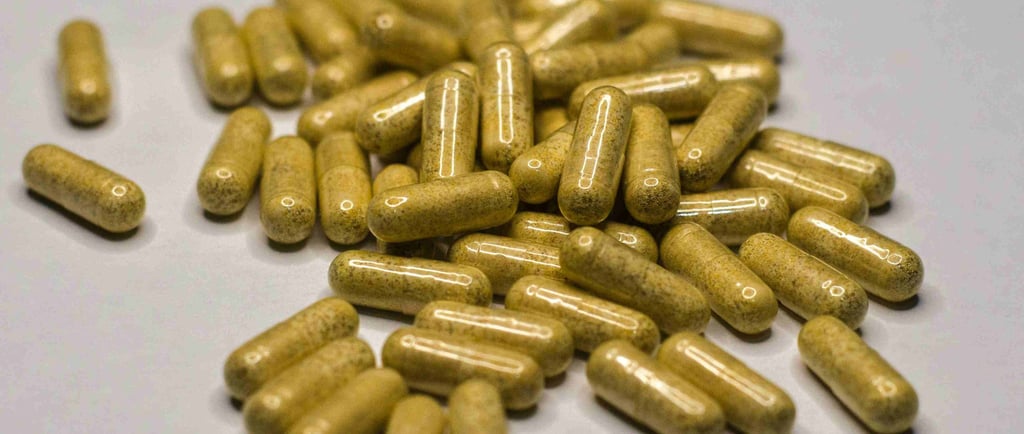
Synbiotic Supplements: The Future of Gut Health
In recent years, scientists and health experts have placed increasing attention on the importance of gut health. The human digestive system contains trillions of microorganisms that form the gut microbiome, an ecosystem that plays a crucial role in digestion, immunity, metabolism, and even mental health.
As research continues to uncover the powerful influence of the microbiome, new nutritional strategies are emerging to support it. One of the most promising developments is Synbiotic Supplements, which combine beneficial bacteria with the nutrients they need to thrive.
Unlike traditional probiotic supplements, Synbiotic Supplements work by delivering both probiotics and prebiotics in a single formula. This combination helps beneficial bacteria survive and grow more effectively in the gut.
Because of their potential to improve digestive health, support microbiome balance, and enhance nutrient absorption, many experts believe Synbiotic Supplements may represent the next major advancement in gut health supplementation.
Understanding the Gut Microbiome
The gut microbiome refers to the community of microorganisms living in the digestive tract. Scientists estimate that the human body contains roughly 100 trillion microbial cells, many of which reside in the intestines.
These microorganisms perform several vital functions, including:
Breaking down dietary fiber
Producing vitamins such as vitamin K and B vitamins
Supporting immune system function
Protecting against harmful bacteria
According to research from the National Institutes of Health, the microbiome influences multiple systems in the body, including metabolism and neurological health.
Maintaining a balanced microbiome is essential for optimal health. When the balance of beneficial and harmful bacteria becomes disrupted—a condition known as dysbiosis—it may contribute to digestive disorders, inflammation, and chronic disease.
This is why gut health supplements, including probiotics and synbiotics, have become increasingly popular.
What Are Synbiotic Supplements?
Definition
Synbiotic Supplements are products that combine probiotics (beneficial live bacteria) and prebiotics (fibers that feed those bacteria).
The goal of a synbiotic formula is to create a synergistic effect that improves the survival and effectiveness of beneficial microbes in the digestive system.
In simple terms:
Probiotics add beneficial bacteria to the gut
Prebiotics provide food for those bacteria
Synbiotic Supplements deliver both together
This approach helps beneficial bacteria establish themselves more effectively within the gut microbiome.
How Synbiotic Supplements Work
The Synergy Between Probiotics and Prebiotics
Probiotics can provide health benefits, but many probiotic strains struggle to survive the acidic environment of the stomach.
Prebiotics help solve this challenge by providing nutrients that support the growth of beneficial bacteria once they reach the intestines.
By combining these two components, Synbiotic Supplements improve the likelihood that probiotic strains will survive digestion and colonize the gut.
This synergy helps support:
Stronger microbiome diversity
Improved digestive health
Enhanced immune response
Benefits of Synbiotic Supplements
1. Improved Digestive Health
One of the primary reasons people take Synbiotic Supplements is to improve digestive function.
Research published in the journal Nutrients found that synbiotic formulas may help reduce symptoms associated with digestive conditions such as:
Bloating
Constipation
Irritable bowel syndrome (IBS)
The combination of probiotics and prebiotics can help restore microbiome balance, which is essential for healthy digestion.
2. Better Gut Microbiome Diversity
Microbiome diversity is considered one of the most important indicators of gut health.
A diverse microbiome helps the body process nutrients efficiently and resist harmful bacteria.
According to research from the Human Microbiome Project, a healthy gut contains hundreds of bacterial species working together to support overall health.
Synbiotic Supplements can help increase beneficial microbial diversity by nourishing the bacteria introduced through probiotics.
3. Enhanced Immune System Support
The gut plays a major role in immune system function. In fact, approximately 70% of the body’s immune cells are located in the gastrointestinal tract, according to the National Institutes of Health.
By improving microbiome balance, Synbiotic Supplements may help support immune responses and reduce inflammation.
4. Improved Nutrient Absorption
Healthy gut bacteria assist the body in absorbing key nutrients such as:
Calcium
Magnesium
Iron
B vitamins
When the microbiome is balanced, the digestive system becomes more efficient at extracting nutrients from food.
5. Potential Mental Health Benefits
Emerging research suggests that the gut-brain axis—the communication network between the gut and the brain—may influence mood and mental health.
Studies have linked gut microbiome imbalances with conditions such as anxiety and depression.
Although research is ongoing, scientists are exploring whether Synbiotic Supplements may help support mental well-being by improving microbiome health.
Synbiotics vs Probiotics: What’s the Difference?
Many people wonder how Synbiotic Supplements differ from standard probiotic supplements.
Here’s a simple comparison:
Because they combine both components, Synbiotic Supplements are designed to provide a more comprehensive approach to gut health supplements.
Natural Sources of Synbiotic Foods
Although supplements are widely available, some foods naturally provide both probiotics and prebiotics.
Examples include:
Yogurt with added fiber
Kefir with fruit or oats
Fermented vegetables with garlic or onions
Whole grain cereals with probiotic yogurt
Combining fermented foods with fiber-rich foods can create a natural synbiotic effect.
Who Might Benefit From Synbiotic Supplements?
Many individuals may benefit from Synbiotic Supplements, particularly those who:
Experience digestive issues
Have taken antibiotics recently
Consume low-fiber diets
Want to improve gut microbiome health
Are looking for additional immune system support
However, individuals with medical conditions should always consult a healthcare professional before starting any gut health supplements.
How to Choose a High-Quality Synbiotic Supplement
When selecting Synbiotic Supplements, consider the following factors:
1. Proven Probiotic Strains
Look for clinically studied strains such as Lactobacillus or Bifidobacterium.
2. Effective Prebiotic Fibers
Common prebiotic ingredients include:
Inulin
Fructooligosaccharides (FOS)
Galactooligosaccharides (GOS)
3. Adequate CFU Count
CFU (colony-forming units) indicates the number of live bacteria in a probiotic supplement.
Many effective formulas contain 1–10 billion CFU per serving.
4. Transparent Labeling
Choose brands that clearly list their bacterial strains and ingredient sources.
The Future of Gut Health Supplements
As microbiome research expands, scientists are discovering new ways to support gut health through nutrition and supplementation.
According to a report by Grand View Research, the global probiotic and microbiome supplement market is expected to reach over $111 billion by 2030, driven largely by increased awareness of digestive and immune health.
Because they combine two powerful microbiome-supporting ingredients, Synbiotic Supplements are expected to play an important role in the future of personalized nutrition.
Many researchers believe synbiotic formulas could eventually be tailored to individual microbiome profiles, creating personalized gut health strategies.
FAQ: Synbiotic Supplements
What are synbiotic supplements?
Synbiotic supplements combine probiotics (beneficial bacteria) with prebiotics (fibers that feed those bacteria) to support gut microbiome health.
Are synbiotic supplements better than probiotics?
Synbiotic supplements may offer additional benefits because the prebiotic component helps probiotic bacteria survive and grow in the gut.
How long does it take synbiotic supplements to work?
Some individuals may notice digestive improvements within 2–4 weeks, although results can vary depending on diet, lifestyle, and gut microbiome health.
Are synbiotic supplements safe?
For most healthy adults, synbiotic supplements are generally considered safe. However, individuals with medical conditions should consult a healthcare professional first.
Internal Linking Suggestions
To improve SEO and user engagement on HealthInteligence.com, consider linking to related articles such as:
Internal linking helps search engines understand site structure and encourages readers to explore more content.
Conclusion
The growing understanding of the gut microbiome has transformed the way we think about digestive health and nutrition.
By combining probiotics and prebiotics in a single formula, Synbiotic Supplements offer a powerful strategy to support microbiome balance, improve digestion, and strengthen immune health.
As scientific research continues to uncover the complex relationships between gut bacteria and overall wellness, synbiotic formulas may become a cornerstone of future gut health supplements.
✅ Want to learn more about digestive health, nutrition, and the latest medical research?
Explore more expert-backed health articles and wellness guides at HealthInteligence.com and stay informed about the latest breakthroughs in modern healthcare.
References
National Institutes of Health – Human Microbiome Project
https://www.nih.govInternational Scientific Association for Probiotics and Prebiotics
https://isappscience.orgSwanson KS et al. (2020). The International Scientific Association for Probiotics and Prebiotics consensus statement on synbiotics. Nature Reviews Gastroenterology & Hepatology.
Grand View Research – Probiotics Market Report
https://www.grandviewresearch.comMarkowiak P., Śliżewska K. (2017). Effects of probiotics, prebiotics, and synbiotics on human health. Nutrients.
Contact
Questions? Reach out anytime, we're here to help.
© 2025. All rights reserved.

