
What Is Irritable Bowel Syndrome (IBS)? Symptoms, Causes, Treatment & Prevention
Learn what IBS is, its common symptoms, causes, types, diagnosis, and evidence‑based treatment options. Discover practical lifestyle tips and medically backed insights to manage IBS effectively.
3/1/20262 min read
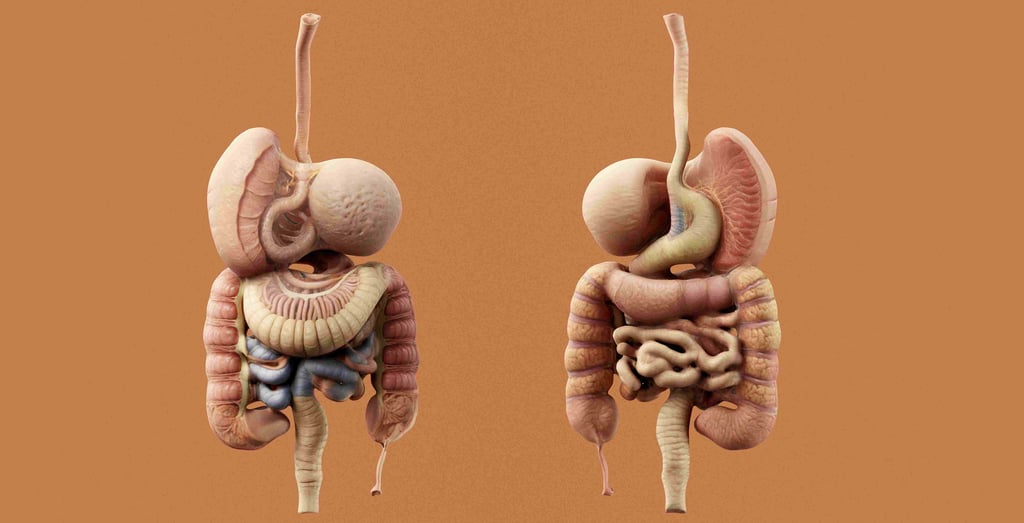
🧠 What Is Irritable Bowel Syndrome (IBS)?
Irritable Bowel Syndrome (IBS) is a chronic functional gastrointestinal disorder that affects the large intestine. Unlike inflammatory bowel disease (IBD), IBS causes symptoms without visible structural damage to the digestive tract. Patients experience recurring abdominal pain, bloating, gas, and altered bowel habits (diarrhea, constipation, or both). (relainstitute.com)
IBS is a disorder of the gut‑brain axis, meaning symptoms result from complex interactions between the digestive system and the nervous system, including irregular gut motility and visceral hypersensitivity. (CNIB)
📊 How Common Is IBS?
IBS is one of the most common digestive disorders worldwide, affecting an estimated 4–10% of the global population. Prevalence varies by region, age, and diagnostic criteria used, but millions of people experience IBS symptoms at some point in life. (سايكوما - Psychoma)
🤕 Common Symptoms of IBS
IBS symptoms can vary in severity and may include:
Abdominal pain or cramps
Bloating and gas
Diarrhea (IBS‑D) or constipation (IBS‑C)
Alternating diarrhea and constipation (IBS‑M)
Mucus in the stool and discomfort after eating
These symptoms often flare up in response to certain foods, stress, or lifestyle factors. (الجزيرة نت)
🧬 What Causes IBS?
The exact cause of IBS remains unknown, but research shows multiple contributing factors:
🔹 Gut‑brain axis imbalance: Communication disruptions between the gut and brain affect gut motility and pain perception. (CNIB)
🔹 Visceral hypersensitivity: Heightened sensitivity to normal digestive processes can produce discomfort. (CNIB)
🔹 Diet and gut microbiome: Certain foods and microbial imbalances can trigger symptoms. (Health)
🔹 Stress and psychological triggers: Stress, anxiety, and emotional states may worsen or trigger IBS flares because the brain and gut are tightly connected. (Verywell Health)
🔹 Lifestyle and environment: Health habits like poor sleep, low physical activity, or smoking are linked to higher IBS risk. (CNN Arabe)
🩺 Types of IBS
IBS isn’t one-size-fits-all. Clinicians often identify subtypes based on bowel habits:
IBS‑D: Predominantly diarrhea
IBS‑C: Predominantly constipation
IBS‑M: Mixed bowel patterns (الجزيرة نت)
Accurate diagnosis often relies on Rome IV criteria, a set of standardized guidelines used by gastroenterologists. (Note: you can link to the Rome Foundation site for official criteria.)
🩹 Diagnosis & When to See a Doctor
Healthcare providers typically diagnose IBS based on symptom patterns and by ruling out other conditions. They may ask about symptom duration, severity, food triggers, and stress factors. Medical tests (bloodwork, stool tests) are used to exclude inflammatory or structural diseases. (Mayo Clinic)
Seek immediate care if symptoms include:
Severe or worsening abdominal pain
Unexplained weight loss
Rectal bleeding or anemia
💡 Treatment & Management Strategies
There’s no cure for IBS, but symptoms can be managed effectively with a combination of medical and lifestyle interventions:
🥗 Diet & Nutrition
Low‑FODMAP diet — Limiting fermentable carbs can significantly reduce symptoms in many people. (The Washington Post)
Avoid foods that trigger symptoms such as high‑FODMAP foods, excessive caffeine, or spicy foods. (Health)
🧘 Lifestyle Changes
Regular moderate exercise and stress‑reduction practices like yoga or meditation help manage flares. (The Times of India)
Improving sleep quality and staying hydrated may also reduce symptom frequency. (CNN Arabe)
💊 Medical Treatments
Symptom‑specific medications (e.g., antispasmodics, laxatives, anti‑diarrheals) can help, as can probiotics in certain cases. Personalized treatment is essential.
🌟 Living with IBS
IBS can be persistent and unpredictable, which significantly impacts quality of life for many sufferers. Identifying personal triggers, keeping a food‑symptom diary, and building a support plan with your healthcare provider are key to effective long‑term management. (relainstitute.com)
📌 Key Takeaways
IBS is a common chronic digestive disorder that affects millions worldwide and is diagnosed by symptom patterns and clinical criteria. (سايكوما - Psychoma)
Symptoms include abdominal pain, bloating, diarrhea, and constipation, often triggered by diet, stress, and gut‑brain interactions. (CNIB)
There’s no cure, but symptoms can be managed with dietary changes, lifestyle habits, and personalized medical care. (The Washington Post)
Contact
Questions? Reach out anytime, we're here to help.
© 2025. All rights reserved.

