Gut Health & Next-Gen Biotics: The Future of Digestive Wellness in 2026
Gut health has emerged as a cornerstone of overall wellness in 2026. Beyond digestion, a healthy gut microbiome influences immunity, mental health, metabolism, and chronic disease prevention. The rise of next-generation biotics — including advanced probiotics, prebiotics, and postbiotics — is revolutionizing gut health, offering targeted support for both preventive and personalized nutrition.
1/8/20262 min read
Understanding the Gut Microbiome
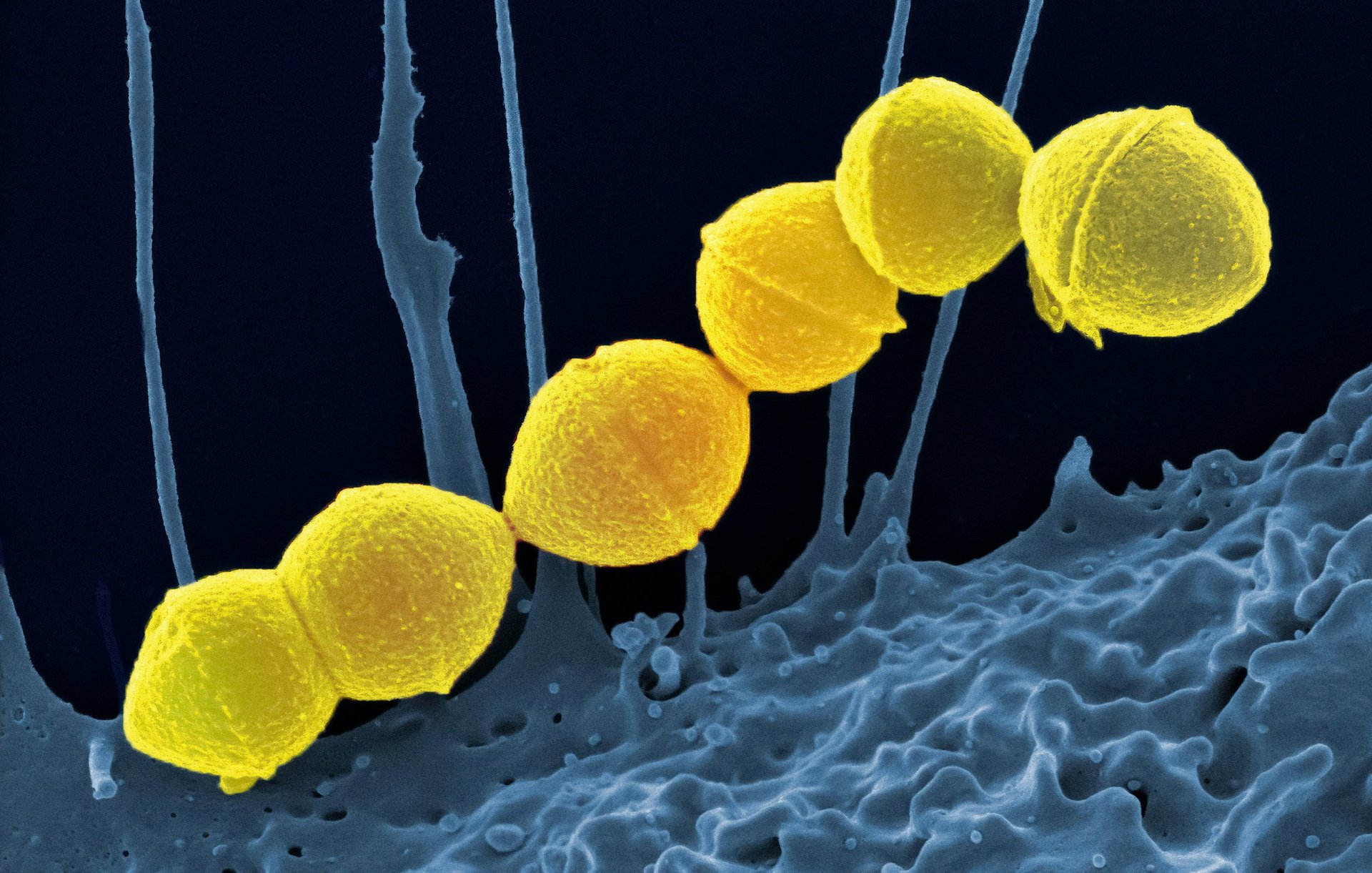
Your gut microbiome consists of trillions of microorganisms, including bacteria, viruses, fungi, and other microbes, that influence:
Digestion and nutrient absorption
Immune system regulation
Metabolic health and weight management
Mood, cognition, and mental wellness (nih.gov)
A balanced microbiome is essential for overall health, while imbalance (dysbiosis) is linked to digestive disorders, inflammation, obesity, diabetes, and even neurodegenerative conditions.
What Are Next-Generation Biotics?
Traditional probiotics (like Lactobacillus and Bifidobacterium) are widely known. Next-gen biotics go further, offering precision-targeted strains and innovative formulations:
Advanced Probiotics – Strains specifically selected for gut, metabolic, or immune support
Prebiotics – Non-digestible fibers that feed beneficial gut microbes
Postbiotics – Microbial metabolites that exert health benefits without live bacteria
Synbiotics – Combinations of prebiotics and probiotics for synergistic effects (frontiersin.org)
Next-gen biotics are part of personalized nutrition and gut-targeted therapies, enabling a more precise and effective approach than generic probiotic supplements.
Why Gut Health Is Trending in 2026
1. Link to Immune Function
A significant portion of the immune system resides in the gut. Next-gen biotics can help enhance immune resilience and reduce susceptibility to infections. (nih.gov)
2. Mental Health & Cognitive Support
The gut-brain axis connects gut microbes to mental health. Emerging research suggests next-gen biotics can support mood regulation, stress response, and cognitive function. (frontiersin.org)
3. Chronic Disease Prevention
Gut dysbiosis is associated with obesity, diabetes, inflammatory bowel disease, and cardiovascular disorders. Targeted biotics may reduce inflammation, improve metabolism, and support long-term health. (nih.gov)
4. Personalized Nutrition Integration
Next-gen biotics are increasingly incorporated into personalized nutrition plans, tailored to individual microbiome profiles, lifestyle, and health goals (nutritioninsight.com)
Top Sources of Next-Gen Biotics
Fermented foods: Kimchi, sauerkraut, miso, kombucha
Probiotic supplements: Multi-strain capsules with clinically studied bacteria
Prebiotic-rich foods: Chicory root, garlic, onion, asparagus, oats
Postbiotic formulations: Supplements containing microbial metabolites or fermented extracts (frontiersin.org)
Practical Tips for Supporting Gut Health
Eat diverse, fiber-rich foods to nourish beneficial microbes
Include fermented foods daily for natural probiotic intake
Limit ultra-processed foods and added sugars, which can harm gut diversity
Consider next-gen biotic supplements if personalized guidance supports it
Maintain a healthy lifestyle: regular exercise, stress management, and adequate sleep improve microbiome balance (frontiersin.org)
The Future of Gut Health & Next-Gen Biotics
Gut health is no longer just a wellness trend — it’s a critical pillar of preventive medicine and personalized nutrition. Next-gen biotics will continue to:
Enable precision-targeted gut interventions
Support longevity, immunity, and metabolic health
Integrate with functional foods, personalized diets, and lifestyle programs
Investing in gut health today is investing in overall wellness and long-term vitality.
Conclusion
The rise of next-generation biotics marks a new era in gut health, combining science, nutrition, and personalized care. By supporting the gut microbiome with targeted probiotics, prebiotics, and postbiotics, individuals can optimize digestion, immunity, mental well-being, and disease prevention — all key factors in a healthier, longer life.
Gut health is not just about digestion; it’s about total-body wellness in 2026 and beyond.
Contact
Questions? Reach out anytime, we're here to help.
© 2025. All rights reserved.

