
Is Creatine Safe for Daily Use? Benefits & Risks
Is creatine safe to take every day? Learn about creatine safety, dosage, benefits, side effects, and what science says about long-term daily use.
3/10/20265 min read
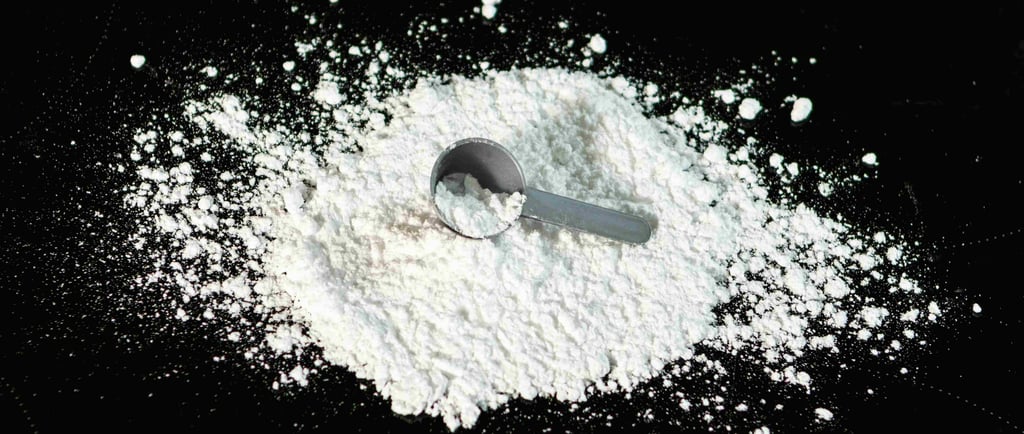
Is Creatine Safe for Daily Use?
Creatine is one of the most popular and widely researched dietary supplements in the world. Athletes, fitness enthusiasts, and even individuals interested in general wellness often use creatine to support strength, performance, and recovery. However, a common question remains: Is Creatine safe for daily use?
Over the past two decades, scientists have conducted hundreds of studies examining the effects of Creatine supplementation on the body. Most research suggests that when used appropriately, creatine is safe for healthy individuals and may even provide benefits beyond athletic performance.
In this comprehensive guide, we’ll explore the science behind Creatine, its safety profile, recommended dosage, potential side effects, and what research says about long-term daily use.
What Is Creatine?
Creatine is a naturally occurring compound made from three amino acids: arginine, glycine, and methionine. The body produces creatine in the liver, kidneys, and pancreas.
About 95% of creatine is stored in skeletal muscles, where it helps produce energy during short bursts of intense activity.
Creatine works by increasing levels of phosphocreatine, which helps regenerate ATP (adenosine triphosphate)—the body’s primary source of cellular energy.
Because of its role in energy production, Creatine has become one of the most widely used sports supplements for improving strength and performance.
Secondary keywords used in this article:
creatine supplement
creatine dosage
sports supplements
muscle recovery
athletic performance
energy production
Why Do People Take Creatine?
Most people use Creatine to improve physical performance and training outcomes.
Research shows that creatine supplementation may help:
Increase muscle strength
Improve high-intensity exercise performance
Enhance muscle recovery
Support lean muscle growth
According to the International Society of Sports Nutrition (ISSN), creatine can improve strength and power output by 5–15% on average during high-intensity activities.
However, many individuals also take creatine for general health and energy support.
Is Creatine Safe for Daily Use?
Scientific Consensus
One of the most important facts about Creatine is that it is among the most studied dietary supplements in the world.
According to the International Society of Sports Nutrition, creatine supplementation is safe for healthy individuals when consumed at recommended doses.
Long-term studies lasting up to five years have shown no harmful effects on kidney, liver, or cardiovascular function in healthy adults.
The organization states that creatine monohydrate remains one of the safest and most effective ergogenic supplements available.
Recommended Daily Creatine Dosage
Standard Maintenance Dose
Most research suggests a daily creatine dosage of 3–5 grams for maintenance.
This amount is sufficient to maintain elevated muscle creatine stores in most individuals.
Optional Loading Phase
Some people choose to begin with a loading phase to saturate muscles more quickly.
Typical loading protocol:
20 grams per day (divided into 4 servings)
Duration: 5–7 days
After the loading phase, users typically continue with 3–5 grams daily.
However, the loading phase is not necessary for most people.
Potential Benefits of Daily Creatine Use
Although commonly associated with athletes, daily Creatine supplementation may offer several additional benefits.
Improved Athletic Performance
Creatine increases phosphocreatine stores in muscle cells, allowing the body to produce ATP more efficiently during high-intensity exercise.
This can improve performance in activities such as:
weightlifting
sprinting
high-intensity interval training (HIIT)
Enhanced Muscle Recovery
Some studies suggest Creatine may help reduce muscle damage and inflammation following intense exercise.
This may allow athletes to recover faster between training sessions.
Support for Brain Energy Metabolism
The brain also uses creatine for energy metabolism.
Research published in Nutrients suggests that creatine supplementation may support cognitive performance, particularly during periods of sleep deprivation or mental fatigue.
Potential Benefits for Healthy Aging
Scientists are studying how Creatine may help older adults maintain muscle mass and strength.
Aging is often associated with a decline in muscle tissue, known as sarcopenia. Combining resistance training with creatine supplementation may help slow this process.
Possible Side Effects of Creatine
Although Creatine is generally considered safe, some people may experience mild side effects.
Common side effects may include:
temporary water retention
mild stomach discomfort
muscle cramping (rare)
Water retention typically occurs during the early stages of supplementation because creatine draws water into muscle cells.
Most side effects are mild and temporary.
Does Creatine Affect the Kidneys?
One of the most persistent myths surrounding Creatine is that it damages the kidneys.
However, current scientific evidence does not support this claim for healthy individuals.
Multiple studies have examined kidney function during creatine supplementation and found no harmful effects in healthy adults.
That said, individuals with pre-existing kidney disease should consult a healthcare professional before using creatine supplements.
Natural Food Sources of Creatine
Although supplements are widely used, Creatine is naturally present in certain foods.
Foods that contain creatine include:
red meat
salmon
tuna
pork
poultry
However, dietary sources usually provide only 1–2 grams of creatine per day, which is lower than typical supplementation levels.
Tips for Safe Creatine Use
To use Creatine safely and effectively, consider the following guidelines:
Choose Creatine Monohydrate
This form is the most researched and widely recommended.
Stay Hydrated
Drink enough water to support normal hydration levels.
Follow Recommended Dosages
Most individuals do not need more than 3–5 grams per day.
Choose Third-Party Tested Supplements
Look for products verified by independent testing organizations.
FAQ: Creatine Safety
Is creatine safe to take every day?
Yes. Research shows that Creatine is safe for daily use in healthy individuals when taken at recommended doses (3–5 grams per day).
How long can you take creatine safely?
Studies have examined creatine supplementation for several years without finding harmful health effects in healthy adults.
Does creatine cause kidney damage?
Current research shows no evidence that creatine harms kidney function in healthy individuals.
However, people with kidney disease should consult a healthcare professional.
Do you need to cycle creatine?
No. Most experts agree that cycling creatine is unnecessary when using standard daily doses.
When is the best time to take creatine?
Creatine can be taken at any time of day, although many athletes prefer taking it after workouts with a meal.
Internal Linking Suggestions
For better SEO performance and reader engagement on HealthInteligence.com, consider linking to related articles such as:
Internal links help search engines understand your website structure and encourage visitors to explore more content.
Conclusion
With decades of scientific research supporting its effectiveness and safety, Creatine remains one of the most trusted supplements available today.
When used responsibly at recommended doses, Creatine is generally safe for daily use and may provide benefits that extend beyond athletic performance—including improved muscle recovery, enhanced energy production, and potential support for brain health.
As research continues to uncover new roles for creatine in human health, it is likely to remain a cornerstone supplement in both sports nutrition and general wellness.
✅ Want to learn more about nutrition, supplements, and evidence-based health advice?
Explore more expert articles and wellness insights at HealthInteligence.com and stay informed about the latest breakthroughs in health and medical research.
References
Kreider RB et al. (2017). International Society of Sports Nutrition Position Stand: Creatine Supplementation.
https://jissn.biomedcentral.comAvgerinos KI et al. (2018). Effects of creatine supplementation on cognitive function. Nutrients.
https://www.mdpi.com/journal/nutrientsNational Institutes of Health – Dietary Supplements Overview
https://ods.od.nih.govCandow DG et al. (2019). Creatine supplementation and aging muscle. Journal of the International Society of Sports Nutrition.
Rawson ES & Venezia AC (2011). Use of creatine in the elderly and effects on cognitive function. Amino Acids.
Contact
Questions? Reach out anytime, we're here to help.
© 2025. All rights reserved.

