Creatine Benefits Beyond Muscle Building
Discover surprising creatine benefits beyond muscle growth, including brain health, energy, recovery, and overall wellness backed by scientific research.
3/10/20265 min read
Creatine Benefits Beyond Muscle Building
For decades, Creatine has been one of the most popular supplements among athletes and bodybuilders. It is widely known for its ability to enhance strength, power, and muscle performance during high-intensity workouts. However, emerging research suggests that Creatine may provide many health benefits that go far beyond muscle building.
Scientists are increasingly studying how Creatine supports brain health, improves cognitive performance, enhances recovery, and may even play a role in healthy aging. As our understanding of human metabolism grows, this well-known supplement is gaining attention in the broader health and wellness community.
In this article, we explore the science behind Creatine, its surprising benefits beyond athletic performance, and why researchers believe it may be one of the most versatile supplements available today.
What Is Creatine?
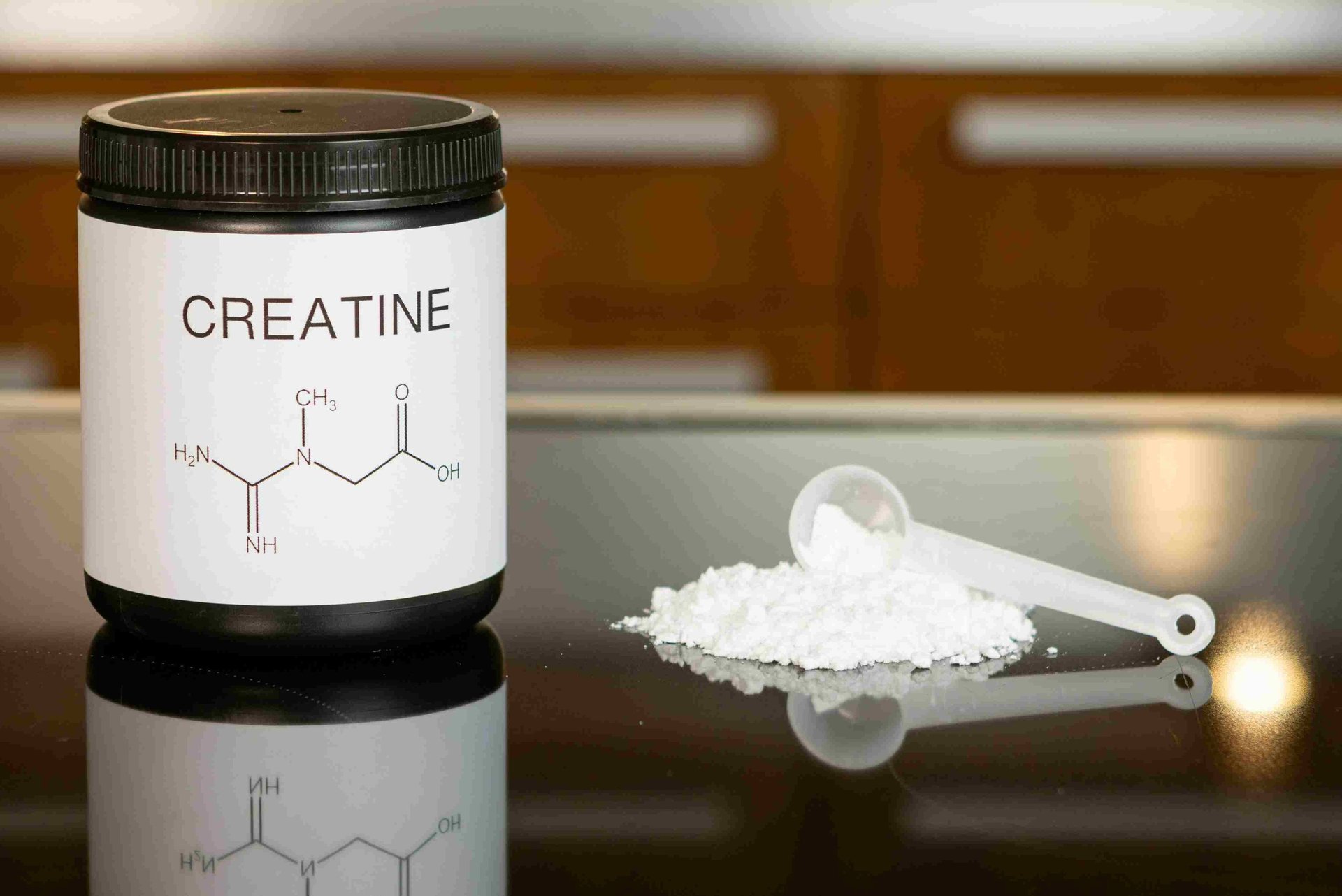
Creatine is a naturally occurring compound found in small amounts in foods like meat and fish. The body also produces creatine from amino acids in the liver, kidneys, and pancreas.
About 95% of the body's creatine is stored in muscles, where it helps produce energy for short bursts of high-intensity activity.
Creatine works by increasing levels of phosphocreatine, a compound that helps regenerate ATP (adenosine triphosphate)—the body’s primary energy molecule.
Because of its role in energy production, Creatine is commonly used to improve athletic performance and muscle strength.
However, recent studies suggest its effects may extend far beyond the gym.
Secondary keywords used throughout this article:
creatine supplement
cognitive performance
brain health
muscle recovery
athletic performance
energy production
Creatine and Brain Health
Supporting Cognitive Function
Although creatine is best known for its role in muscles, the brain also relies heavily on energy metabolism. Researchers have discovered that Creatine plays an important role in supplying energy to brain cells.
A review published in Nutrients suggests that creatine supplementation may help improve cognitive performance, particularly in situations involving mental fatigue or sleep deprivation.
Because the brain requires significant amounts of ATP to function efficiently, creatine’s ability to enhance cellular energy production may help support memory, concentration, and mental clarity.
Potential Neuroprotective Effects
Scientists are also studying whether Creatine may help protect brain cells from damage.
Preliminary research suggests that creatine may support neurological health by:
Reducing oxidative stress
Improving mitochondrial function
Supporting brain energy metabolism
Some studies are exploring the role of creatine in conditions such as neurodegenerative diseases, although more research is needed before definitive conclusions can be made.
Creatine for Energy and Physical Performance
Improved High-Intensity Performance
One of the most well-established benefits of Creatine is its ability to enhance athletic performance.
Creatine increases the availability of phosphocreatine in muscle cells, allowing the body to produce ATP more rapidly during intense exercise.
According to the International Society of Sports Nutrition, creatine supplementation can improve strength and high-intensity exercise performance by 5–15% on average.
Faster Muscle Recovery
Another benefit of Creatine is its ability to support muscle recovery after intense exercise.
Studies suggest creatine may help reduce:
Muscle cell damage
Inflammation after workouts
Exercise-induced fatigue
This can help athletes train more consistently and recover faster between sessions.
Creatine and Healthy Aging
Preserving Muscle Mass
As people age, they naturally lose muscle mass in a process known as sarcopenia. This decline can reduce mobility, balance, and overall strength.
Research published in the Journal of the International Society of Sports Nutrition suggests that combining resistance training with Creatine supplementation may help older adults maintain muscle strength and physical function.
Supporting Bone Health
Some studies suggest Creatine may also support bone density indirectly by improving muscle strength and increasing physical activity levels.
Stronger muscles help support the skeletal system and may reduce the risk of falls and fractures in older adults.
Creatine and Mental Health
Potential Benefits for Mood
Emerging research suggests that Creatine may influence mental health through its effects on brain energy metabolism.
Some early studies indicate that creatine supplementation may help support mood and reduce symptoms associated with depression, particularly when combined with traditional treatments.
Although research is still developing, scientists believe creatine may influence neurotransmitter systems that affect emotional regulation.
Creatine and Metabolic Health
Researchers are also investigating how Creatine may affect metabolic processes.
Some studies suggest that creatine supplementation may help:
Improve glucose metabolism
Support insulin sensitivity
Enhance cellular energy production
These findings suggest creatine may eventually play a role in broader metabolic health strategies, although more large-scale research is needed.
Is Creatine Safe?
Creatine is one of the most thoroughly studied dietary supplements in the world.
According to the International Society of Sports Nutrition, creatine monohydrate is considered safe for healthy individuals when used at recommended doses.
Typical daily supplementation ranges from:
3–5 grams per day
Some people begin with a loading phase of 20 grams per day for 5–7 days, followed by a maintenance dose.
Long-term studies lasting several years have found no significant adverse health effects in healthy individuals.
However, people with kidney disease or other medical conditions should consult a healthcare professional before using a creatine supplement.
Natural Sources of Creatine
Although supplements are widely used, Creatine is also naturally found in certain foods.
Examples include:
Red meat
Fish (especially salmon and tuna)
Pork
Poultry
However, obtaining therapeutic amounts of creatine from food alone can be difficult, which is why many people choose supplements.
How to Choose a Creatine Supplement
If you're considering a creatine supplement, experts recommend choosing products that are:
Creatine Monohydrate
This is the most researched and widely recommended form.
Third-Party Tested
Look for supplements verified by independent testing organizations.
Free of Unnecessary Additives
Simple formulas are usually best.
Many experts consider creatine monohydrate powder the gold standard due to its proven effectiveness and affordability.
FAQ: Creatine Benefits
What does creatine do besides build muscle?
Creatine helps support brain energy metabolism, cognitive performance, muscle recovery, and may assist with healthy aging and metabolic health.
Is creatine good for brain health?
Research suggests creatine may support brain energy production and cognitive performance, especially during mental fatigue.
Can non-athletes take creatine?
Yes. While athletes commonly use creatine, many researchers believe it may also benefit general health and cognitive function.
How long does creatine take to work?
Some effects on athletic performance may appear within 1–2 weeks, while other benefits may develop gradually with consistent use.
Is creatine safe for daily use?
Yes. Studies indicate that 3–5 grams daily is generally safe for healthy adults when taken as directed.
Internal Linking Suggestions
To strengthen SEO and help readers explore more content on HealthInteligence.com, consider linking to related articles such as:
“Magnesium Glycinate for Sleep and Stress Relief”
“Best Vitamins That Support Immunity”
“Synbiotic Supplements: The Future of Gut Health”
“Probiotics vs Prebiotics vs Postbiotics: What’s the Difference?”
Internal links help improve site structure and increase reader engagement.
Conclusion
Although it is often associated with athletes and bodybuilding, Creatine is far more than a muscle-building supplement.
Growing scientific evidence suggests that creatine may support brain health, cognitive performance, energy production, muscle recovery, and healthy aging.
Because of its extensive research, safety profile, and wide range of potential benefits, creatine is becoming increasingly recognized as one of the most versatile supplements available.
As scientists continue to study the many roles of Creatine in human health, its importance may extend far beyond sports nutrition.
✅ Want to learn more about nutrition, supplements, and the latest health research?
Explore more expert-backed articles and wellness insights at HealthInteligence.com to stay informed and make smarter health decisions.
References
Kreider RB et al. (2017). International Society of Sports Nutrition position stand: Creatine supplementation.
https://jissn.biomedcentral.comAvgerinos KI et al. (2018). Effects of creatine supplementation on cognitive function. Nutrients.
https://www.mdpi.com/journal/nutrientsRawson ES & Venezia AC (2011). Use of creatine in the elderly and evidence for effects on cognitive function. Amino Acids.
National Institutes of Health – Dietary Supplements Overview
https://ods.od.nih.govCandow DG et al. (2019). Creatine supplementation and aging muscle. Journal of the International Society of Sports Nutrition.
Contact
Questions? Reach out anytime, we're here to help.
© 2025. All rights reserved.

