
Tips to Improve Sleep Quality Naturally
Discover science-backed tips to improve sleep quality, boost energy, and support long-term health with better nightly habits and healthy sleep routines.
3/9/20264 min read

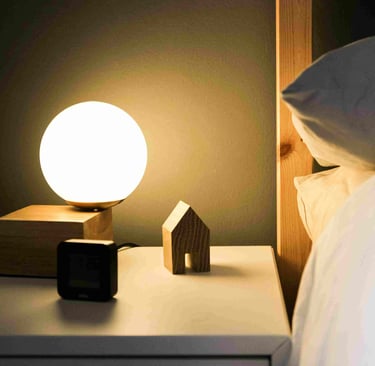
Tips to Improve Sleep Quality
Good sleep quality is one of the most important foundations of overall health. While many people focus on diet and exercise, quality sleep is equally essential for physical recovery, mental clarity, and emotional wellbeing.
Unfortunately, millions of people struggle with poor sleep quality due to stress, busy lifestyles, excessive screen time, and unhealthy sleep routines. According to the Centers for Disease Control and Prevention (CDC), about one in three adults does not get enough sleep, which can increase the risk of chronic diseases such as heart disease, diabetes, and depression.
Improving sleep quality doesn’t always require medication. In many cases, simple lifestyle changes and better sleep habits can significantly improve how well you sleep.
In this guide from HealthInteligence.com, we explore science-backed strategies to enhance sleep quality, promote deeper rest, and support long-term health.
Why Sleep Quality Matters for Your Health
Getting enough sleep is important, but sleep quality matters just as much as sleep duration. High sleep quality means falling asleep easily, staying asleep through the night, and waking up feeling refreshed.
Poor sleep quality has been linked to several health problems, including:
Weakened immune system
Reduced cognitive performance
Increased risk of heart disease
Hormonal imbalance
Mental health disorders
Research from the National Institutes of Health (NIH) shows that chronic sleep problems may contribute to long-term conditions such as obesity, hypertension, and metabolic disorders.
Improving sleep quality can therefore play a major role in maintaining overall wellness.
Common Causes of Poor Sleep Quality
Before improving sleep quality, it helps to understand what may be disrupting your sleep.
Several factors commonly reduce sleep quality, including:
Irregular sleep schedules
Excessive screen exposure before bedtime
High stress levels
Poor sleep environment
Consumption of caffeine or alcohol late in the day
Modern lifestyles often encourage behaviors that interfere with natural sleep cycles. Addressing these issues is a key step toward improving sleep quality.
Science-Backed Tips to Improve Sleep Quality
Developing better nightly routines can dramatically improve sleep quality over time.
Below are evidence-based strategies recommended by sleep experts.
1. Maintain a Consistent Sleep Schedule
One of the most effective ways to improve sleep quality is maintaining a consistent sleep schedule.
Your body follows a natural circadian rhythm, a biological clock that regulates sleep and wake cycles.
Healthy Sleep Routine Tips
Go to bed and wake up at the same time every day
Avoid large variations in sleep times on weekends
Allow your body to establish a predictable rhythm
Consistent schedules help regulate hormones such as melatonin, improving overall sleep quality.
2. Create an Ideal Sleep Environment
Your bedroom environment plays a major role in determining sleep quality.
Key Elements of a Healthy Sleep Environment
A cool room temperature (around 18–20°C or 65–68°F)
Minimal noise and light exposure
Comfortable mattress and pillows
Good air circulation
Research from the Sleep Foundation suggests that reducing light and noise can significantly improve sleep quality and increase deep sleep stages.
3. Limit Screen Exposure Before Bed
Electronic devices emit blue light, which can interfere with the production of melatonin—the hormone that regulates sleep.
Reducing evening screen use can improve sleep quality and help your body prepare for rest.
Practical Strategies
Avoid smartphones and computers 1 hour before bed
Use night mode or blue-light filters
Replace screen time with relaxing activities like reading or meditation
These small adjustments can have a meaningful impact on sleep quality.
4. Exercise Regularly
Regular physical activity is strongly associated with better sleep quality.
Exercise helps regulate circadian rhythms and reduces stress, which promotes deeper sleep cycles.
The World Health Organization (WHO) recommends at least 150 minutes of moderate physical activity per week for overall health benefits, including improved sleep quality.
However, intense workouts right before bedtime may disrupt sleep for some individuals, so earlier exercise sessions are often preferable.
5. Manage Stress and Anxiety
Stress is one of the leading causes of poor sleep quality.
High stress levels activate the body's fight-or-flight response, making it difficult to relax and fall asleep.
Stress-Reduction Techniques for Better Sleep
Meditation or mindfulness exercises
Deep breathing techniques
Journaling before bedtime
Gentle yoga or stretching
Research published in JAMA Internal Medicine found that mindfulness meditation programs significantly improved sleep quality among adults with insomnia.
6. Watch What You Eat and Drink
Dietary habits can strongly influence sleep quality.
Foods and Drinks That May Disrupt Sleep
Caffeine (coffee, energy drinks, soda)
Alcohol
Heavy meals late at night
Experts recommend avoiding caffeine at least 6 hours before bedtime to protect sleep quality.
On the other hand, some foods may promote relaxation and improve sleep, such as:
Almonds
Bananas
Chamomile tea
Foods rich in magnesium and tryptophan
Balanced nutrition supports overall health and can help improve sleep quality.
The Long-Term Benefits of Better Sleep Quality
Improving sleep quality can provide both immediate and long-term health benefits.
These include:
Better memory and cognitive performance
Improved mood and emotional stability
Stronger immune system
Reduced risk of chronic disease
Higher energy levels throughout the day
According to the American Academy of Sleep Medicine, consistent high sleep quality can significantly improve productivity, mental clarity, and overall quality of life.
Internal Reading Suggestions
If you want to learn more about improving your health, explore these related articles on HealthInteligence.com:
Read our article about “Daily Habits for Long-Term Health.”
Explore our guide on “Anti-Inflammatory Diet.”
Learn more about “Digital Mental Health Apps: Do They Really Work?”
These resources provide additional insights for maintaining better physical and mental wellbeing.
FAQ: Sleep Quality
What is sleep quality?
Sleep quality refers to how well you sleep, including how quickly you fall asleep, how often you wake during the night, and how refreshed you feel in the morning.
How many hours of sleep are recommended?
Most adults need 7–9 hours of sleep per night to maintain optimal sleep quality and overall health.
What is the fastest way to improve sleep quality?
Creating a consistent bedtime routine, limiting screen exposure, and maintaining a comfortable sleep environment are among the fastest ways to improve sleep quality.
Does exercise improve sleep quality?
Yes. Regular physical activity can significantly improve sleep quality by reducing stress and regulating circadian rhythms.
Can poor sleep affect mental health?
Yes. Poor sleep quality is linked to increased risk of anxiety, depression, and reduced cognitive performance.
Final Thoughts
Healthy sleep is not a luxury—it is a biological necessity. Improving sleep quality through simple lifestyle changes can have profound effects on both physical and mental health.
By adopting healthier sleep habits, managing stress, and maintaining a consistent routine, individuals can dramatically improve their nightly rest and long-term wellbeing.
✅ Looking for more expert-backed health advice?
Visit HealthInteligence.com to explore trusted articles on nutrition, mental health, medical research, and wellness strategies designed to help you live healthier every day.
Better health begins with better sleep quality.
References
Centers for Disease Control and Prevention – Sleep and Health
https://www.cdc.gov/sleepNational Institutes of Health – Sleep Research
https://www.nhlbi.nih.gov/health-topics/sleepSleep Foundation – Sleep Environment and Sleep Quality
https://www.sleepfoundation.orgWorld Health Organization – Physical Activity Guidelines
https://www.who.int/news-room/fact-sheets/detail/physical-activityJAMA Internal Medicine – Mindfulness and Sleep Study
https://jamanetwork.com/journals/jamainternalmedicine
Contact
Questions? Reach out anytime, we're here to help.
© 2025. All rights reserved.

