
Anti-Inflammatory Diet: Foods for Better Health
Learn how an anti-inflammatory diet can reduce chronic inflammation, improve heart health, and support long-term wellness with science-backed foods.
3/9/20264 min read

Anti-Inflammatory Diet: A Science-Backed Approach to Better Health
The Anti-inflammatory diet has gained global attention as researchers increasingly link chronic inflammation to many serious diseases. While inflammation is a natural immune response that helps the body fight infection and injury, long-term or chronic inflammation can contribute to health problems such as heart disease, diabetes, arthritis, and certain cancers.
An Anti-inflammatory diet focuses on nutrient-rich foods that help reduce inflammation in the body while limiting foods that may trigger inflammatory responses. Many experts believe that consistent dietary choices play a major role in controlling inflammation and supporting long-term wellness.
In this guide from HealthInteligence.com, we explore how the Anti-inflammatory diet works, the best foods to include, what to avoid, and how adopting this dietary pattern may improve your overall health.
What Is an Anti-Inflammatory Diet?
An Anti-inflammatory diet is an eating pattern designed to reduce chronic inflammation by emphasizing whole, nutrient-dense foods. It typically includes vegetables, fruits, healthy fats, whole grains, and lean proteins.
Unlike restrictive diets, the Anti-inflammatory approach is more about long-term lifestyle changes rather than short-term weight loss.
Research suggests that certain foods contain compounds such as antioxidants, polyphenols, omega-3 fatty acids, and fiber that help lower inflammatory markers in the body.
According to research published in the journal Nutrients, dietary patterns rich in plant-based foods can significantly reduce levels of inflammatory biomarkers such as C-reactive protein (CRP).
Why Chronic Inflammation Matters
Inflammation is a protective mechanism of the immune system. However, when it becomes chronic, it can damage tissues and organs over time.
Many modern lifestyle factors contribute to chronic inflammation, including:
Poor dietary habits
Physical inactivity
Chronic stress
Lack of sleep
Environmental toxins
The Anti-inflammatory diet addresses one of the most controllable factors—nutrition.
Health Conditions Linked to Chronic Inflammation
Scientific research has linked persistent inflammation to several major diseases:
Cardiovascular disease
Type 2 diabetes
Alzheimer’s disease
Arthritis
Certain cancers
According to the World Health Organization, chronic diseases linked to inflammation account for nearly 70% of global deaths.
Adopting an Anti-inflammatory dietary pattern may help reduce these risks by lowering inflammatory processes in the body.
Key Foods in an Anti-Inflammatory Diet
An effective Anti-inflammatory diet emphasizes whole foods that support immune health and reduce inflammation.
1. Fruits and Vegetables
Colorful fruits and vegetables are central to the Anti-inflammatory approach because they contain powerful antioxidants and phytonutrients.
Examples of Anti-Inflammatory Produce
Berries (blueberries, strawberries)
Leafy greens (spinach, kale)
Tomatoes
Broccoli
Avocados
These foods provide vitamins, minerals, and plant compounds that combat oxidative stress.
A study from Harvard T.H. Chan School of Public Health found that diets rich in fruits and vegetables are associated with significantly lower levels of inflammatory markers.
2. Healthy Fats
Healthy fats play an important role in the Anti-inflammatory diet, particularly those rich in omega-3 fatty acids.
Sources of Healthy Fats
Fatty fish (salmon, sardines, mackerel)
Olive oil
Nuts and seeds
Flaxseeds and chia seeds
Research shows that omega-3 fatty acids help reduce inflammatory chemicals in the body.
In fact, studies published in the Journal of the American College of Cardiology suggest that omega-3 consumption may reduce cardiovascular inflammation.
3. Whole Grains
Whole grains are another important part of the Anti-inflammatory diet because they provide fiber and beneficial plant compounds.
Healthy whole grain options include:
Oats
Brown rice
Quinoa
Whole wheat
Barley
High-fiber foods help regulate gut bacteria, which plays a key role in immune function and inflammation control.
4. Herbs and Spices
Certain herbs and spices contain potent Anti-inflammatory compounds.
Powerful Anti-Inflammatory Spices
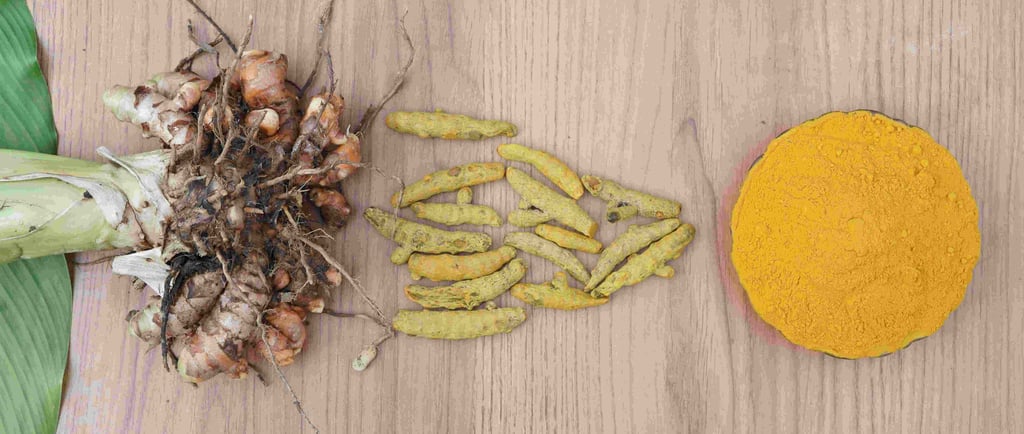
Turmeric (contains curcumin)
Ginger
Garlic
Cinnamon
Curcumin, the active compound in turmeric, has been widely studied for its ability to reduce inflammation and oxidative stress.
Foods That May Increase Inflammation
While many foods reduce inflammation, others may trigger inflammatory responses when consumed regularly.
An Anti-inflammatory diet typically limits:
Highly processed foods
Refined carbohydrates
Sugary beverages
Processed meats
Trans fats
Research published in The Lancet indicates that diets high in processed foods and added sugars contribute to increased inflammation and metabolic disorders.
Reducing these foods while increasing nutrient-dense options can significantly improve long-term health.
Benefits of an Anti-Inflammatory Diet
Following an Anti-inflammatory dietary pattern may provide several health benefits.
1. Improved Heart Health
Heart disease remains the leading cause of death globally. The Anti-inflammatory diet emphasizes heart-friendly foods like olive oil, fish, and vegetables.
Studies show that Mediterranean-style Anti-inflammatory diets can significantly reduce cardiovascular risk.
2. Better Brain Health
Emerging research suggests that the Anti-inflammatory diet may support cognitive function and reduce the risk of neurodegenerative diseases.
Diets rich in antioxidants and healthy fats help protect brain cells from oxidative damage.
3. Reduced Risk of Chronic Disease
Because chronic inflammation contributes to many illnesses, reducing inflammation through diet may lower disease risk.
Research suggests the Anti-inflammatory approach may help manage:
Type 2 diabetes
Metabolic syndrome
Arthritis
Digestive disorders
How to Start an Anti-Inflammatory Diet
Adopting an Anti-inflammatory eating pattern does not require drastic changes. Small steps can make a big difference.
Practical Tips
Eat More Whole Foods
Focus on minimally processed ingredients.
Increase Plant-Based Meals
Plant foods contain powerful antioxidants and anti-inflammatory compounds.
Choose Healthy Fats
Replace processed oils with olive oil or omega-3 sources.
Reduce Sugar Intake
Limiting sugary drinks and desserts can lower inflammation levels.
Over time, these changes can help establish sustainable Anti-inflammatory eating habits.
Internal Reading Suggestions
To deepen your understanding of health and nutrition, explore more articles on HealthInteligence.com:
Read our article about “Daily Habits for Long-Term Health.”
Explore our guide on “Vitamins That Support Immunity.”
Learn more about “Digital Mental Health Apps: Do They Really Work?”
These resources provide additional strategies for improving your overall wellness.
FAQ: Anti-Inflammatory Diet
What is an anti-inflammatory diet?
An Anti-inflammatory diet is an eating pattern focused on foods that reduce inflammation, such as fruits, vegetables, whole grains, healthy fats, and lean proteins.
Which foods are most anti-inflammatory?
Foods commonly included in an Anti-inflammatory diet include berries, leafy greens, fatty fish, olive oil, nuts, and spices like turmeric and ginger.
Can an anti-inflammatory diet help with arthritis?
Yes. Many studies suggest that the Anti-inflammatory diet can help reduce joint pain and inflammation associated with arthritis.
How long does it take to see benefits?
Some people may notice improvements in energy or digestion within a few weeks of following an Anti-inflammatory diet consistently.
Is the anti-inflammatory diet similar to the Mediterranean diet?
Yes. The Mediterranean diet is widely considered one of the most effective Anti-inflammatory eating patterns.
Final Thoughts
Chronic inflammation plays a role in many serious health conditions, but nutrition offers a powerful way to address this issue. By adopting an Anti-inflammatory diet rich in whole foods, healthy fats, and plant-based nutrients, individuals can support their immune system and reduce disease risk.
Long-term health is built through consistent lifestyle choices, and the Anti-inflammatory diet represents one of the most evidence-based strategies for promoting wellness and longevity.
✅ Want more science-backed health insights?
Visit HealthInteligence.com to explore expert articles on nutrition, health technology, disease prevention, and wellness strategies designed to help you live healthier every day.
References
Harvard T.H. Chan School of Public Health – Inflammation and Diet
https://www.hsph.harvard.eduWorld Health Organization – Noncommunicable Diseases
https://www.who.int/news-room/fact-sheets/detail/noncommunicable-diseasesThe Lancet – Global Burden of Dietary Risks
https://www.thelancet.comNutrients Journal – Anti-inflammatory Diet Research
https://www.mdpi.com/journal/nutrientsJournal of the American College of Cardiology – Omega-3 and Heart Health
https://www.jacc.org
Contact
Questions? Reach out anytime, we're here to help.
© 2025. All rights reserved.

