Sleep Tracking Devices: Benefits, Accuracy & Health
Discover how sleep tracking devices improve sleep health. Learn benefits, accuracy, risks, and expert tips for better sleep today.
3/26/20263 min read
🌙 Sleep Tracking Devices: The Future of Better Sleep & Health
Introduction
Sleep is one of the most important pillars of health—and today, sleep tracking devices are transforming how we understand and improve it. From smartwatches to advanced wearables, millions worldwide now monitor their sleep patterns daily.
But are these devices accurate? And can they truly improve your sleep health? In this comprehensive guide, we explore everything you need to know about sleep tracking technology and how it impacts your well-being.
📚 Table of Contents
What Are Sleep Tracking Devices?
How Sleep Tracking Works
Benefits of Sleep Tracking
Limitations and Risks
How to Use Sleep Trackers Effectively
Global Trends and Adoption
Expert Insights & Pro Tips
FAQs (People Also Ask)
Conclusion
🔍 What Are Sleep Tracking Devices?
Definition (Featured Snippet Optimized):
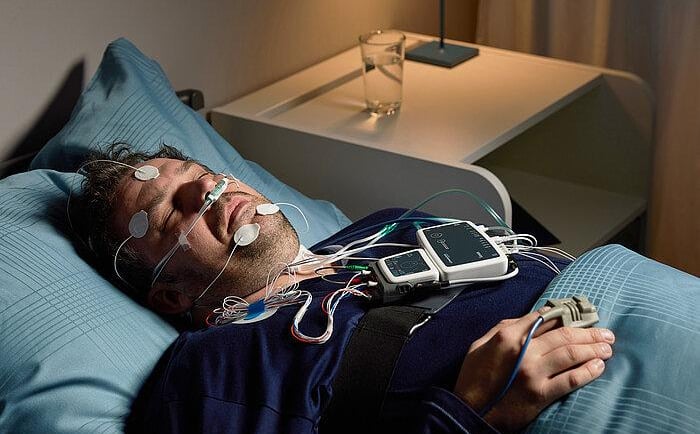
Sleep tracking devices are wearable or non-wearable technologies that monitor sleep patterns, including duration, quality, and sleep stages. They use sensors such as motion detection, heart rate monitoring, and sometimes oxygen levels to provide insights into sleep health and help users improve their sleep habits.
⚙️ How Sleep Tracking Works
Sleep trackers use a combination of technologies:
📊 Key Metrics Measured
Sleep duration (total hours slept)
Sleep stages (light, deep, REM sleep)
Heart rate and variability
Movement and restlessness
🔬 Technologies Used
Accelerometers (movement tracking)
Optical heart rate sensors
Pulse oximeters (in some devices)
AI algorithms for sleep analysis
✅ Benefits of Sleep Tracking Devices
💤 1. Improved Sleep Awareness
Understand your sleep patterns
Identify poor sleep habits
Track progress over time
📈 2. Better Sleep Quality
Adjust bedtime routines based on data
Improve sleep consistency
Optimize recovery and energy levels
❤️ 3. Health Monitoring
Detect irregular heart rate patterns
Monitor breathing disturbances
Support early detection of sleep disorders
🎯 4. Personalized Insights
Tailored recommendations for better sleep
Integration with health apps and fitness data
👉 According to health organizations like Mayo Clinic, improving sleep quality can significantly impact overall health.
⚠️ Limitations and Risks
❗ Accuracy Concerns
Consumer devices are less accurate than clinical sleep studies
May misinterpret sleep stages
🧠 Sleep Anxiety (“Orthosomnia”)
Over-focusing on sleep data can create stress
Users may become obsessed with “perfect sleep”
🔒 Privacy Issues
Personal health data may be stored or shared
Important to review device privacy policies
🛠️ How to Use Sleep Trackers Effectively
🧭 Best Practices
Focus on trends, not single-night data
Maintain consistent sleep schedule
Combine tracking with healthy habits
🌙 Healthy Sleep Tips
Avoid screens before bedtime
Keep bedroom cool and dark
Limit caffeine and heavy meals at night
🌍 Global Perspective: Adoption Around the World
🇺🇸 USA & 🇨🇦 Canada
High adoption of wearable devices
Integration with healthcare and fitness systems
Growing awareness of sleep health
🇪🇺 Europe
Strong focus on preventive healthcare
Increasing use of digital health tools
Public health initiatives promote sleep awareness
🌍 Gulf Countries (UAE, Saudi Arabia)
Rising demand for smart health devices
Lifestyle changes affecting sleep patterns
High smartphone and wearable usage
🇮🇳 India & 🇨🇳 China
Rapid growth in affordable wearables
Large population adopting digital health tools
Increasing focus on urban sleep issues
👉 Global health bodies like the WHO emphasize sleep as a key component of overall health.
💡 Expert Insights & Pro Tips
✔ Pro Tip #1: Use sleep trackers as a guide—not a diagnosis tool
✔ Pro Tip #2: Focus on improving habits, not just numbers
✔ Pro Tip #3: Combine tracking with lifestyle changes for best results
✔ Expert Insight:
Sleep experts highlight that consistent sleep routines are more important than perfect sleep scores.
❓ FAQs (People Also Ask)
1. Are sleep tracking devices accurate?
They provide useful insights but are not as accurate as medical sleep studies.
2. Can sleep trackers diagnose sleep disorders?
No. They can indicate patterns but cannot replace professional diagnosis.
3. Which sleep tracker is best?
The best device depends on your needs, budget, and features required.
4. Do sleep trackers really improve sleep?
Yes, when used correctly, they help users build better sleep habits.
5. Is it safe to wear sleep trackers every night?
Generally yes, but users should be aware of data privacy and comfort.
🔗 Internal & External Linking Strategy
Internal Links (HealthInteligence.com)
Mental Health and Sleep Connection
Best Diet for Better Sleep
Preventive Healthcare Guide
External Sources
World Health Organization (WHO)
Centers for Disease Control and Prevention (CDC)
Mayo Clinic
📱 Readability & UX Optimization
Simple, global English
Short paragraphs and bullet points
Clear heading structure
Mobile-friendly design
📣 Conclusion
Sleep tracking devices are changing the way we approach sleep and health. While they are not perfect, they offer valuable insights that can help you build healthier habits and improve your quality of life.
👉 Take action today: Use sleep data wisely, build consistent routines, and prioritize rest for better health.
⚠️ Medical Disclaimer
This article is for informational purposes only and does not replace professional medical advice. Always consult a healthcare provider for sleep-related concerns.
Contact
Questions? Reach out anytime, we're here to help.
© 2025. All rights reserved.

