
Short vs Long Nails: Which Is Healthier?
Short vs long nails—discover which is healthier, safer, and easier to maintain. Learn expert tips for strong, clean nails today.
4/3/20263 min read
💅 Short Nails vs Long Nails: Which Is Healthier?
Introduction
When it comes to nail care, one question comes up often: are short or long nails healthier? While long nails may be trendy and stylish, short nails are often praised for their practicality and hygiene benefits. But which option truly supports better nail health?
The answer depends on several factors, including hygiene, lifestyle, and how well you care for your nails. In this guide, we’ll compare short and long nails from a health perspective, explore the pros and cons of each, and help you decide what’s best for your overall well-being.
🧬 Understanding Nail Health
Healthy nails are smooth, strong, and free of discoloration or damage. Nail health depends on:
Proper hygiene
Balanced nutrition
Gentle nail care practices
Protection from damage
According to the American Academy of Dermatology, fingernails grow about 3 millimeters per month, meaning consistent care is essential regardless of nail length.
✂️ What Are Short Nails?
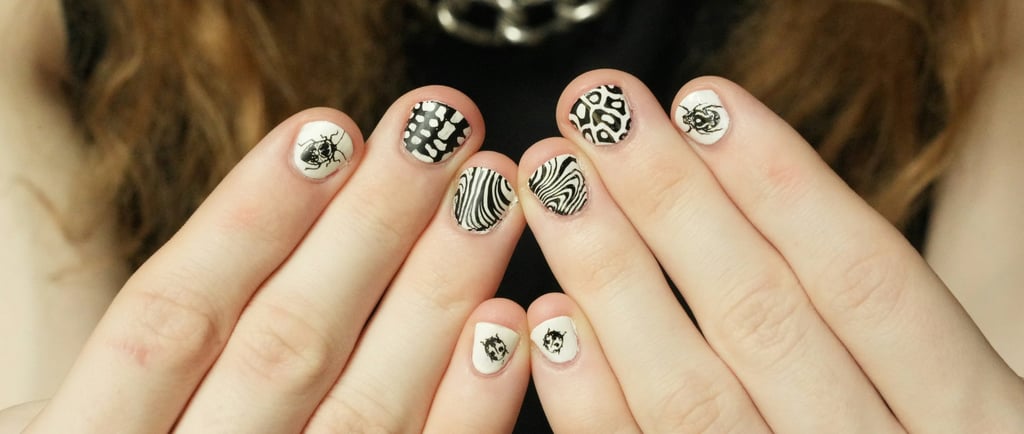
Short nails are trimmed close to the fingertip, leaving minimal free edge.
Key characteristics:
Easy to clean
Less prone to breakage
Low maintenance
Short nails are commonly recommended by healthcare professionals for hygiene reasons.
💅 What Are Long Nails?
Long nails extend beyond the fingertip and are often shaped or styled for aesthetic purposes.
Key characteristics:
More customizable (shapes, designs)
Require regular maintenance
More prone to damage
Long nails are popular in fashion and beauty trends but may come with health considerations.
⚖️ Short Nails vs Long Nails: Health Comparison
📊 Quick Comparison Table
🦠 Hygiene: A Major Health Factor
Hygiene plays a crucial role in determining whether nails are healthy.
Short Nails:
Easier to clean
Less space for bacteria and dirt
Lower risk of contamination
Long Nails:
Can trap dirt, bacteria, and fungi
Harder to clean thoroughly
May increase infection risk
Studies have shown that longer nails can harbor more bacteria, especially in healthcare environments.
⚠️ Risk of Breakage and Injury
Longer nails are more vulnerable to physical damage.
Short Nails:
Less likely to break or split
More resistant to daily wear and tear
Long Nails:
Higher risk of cracking or tearing
Can cause painful injuries if snagged
Repeated trauma can weaken the nail bed over time.
🦠 Infection Risk and Nail Health
Long nails can increase the likelihood of infections.
Common risks:
Fungal infections
Bacterial infections
Nail bed injuries
Short nails reduce exposure to these risks by limiting areas where pathogens can accumulate.
🛠️ Maintenance and Care Requirements
Short Nails:
Simple trimming and cleaning
Minimal products needed
Long Nails:
Frequent filing and shaping
Use of nail products (polish, gels, acrylics)
Regular salon visits
Improper maintenance of long nails can lead to weakened nail structure.
🧴 Impact of Nail Products
Long nails are more likely to involve cosmetic enhancements.
Potential issues:
Exposure to harsh chemicals
Increased risk of allergic reactions
Nail thinning from frequent treatments
Short nails typically require fewer products, reducing chemical exposure.
🥗 Nutrition Matters for Both
Regardless of length, strong nails depend on proper nutrition.
Key nutrients:
Biotin
Protein
Iron
Zinc
A healthy diet supports nail strength, whether you prefer short or long nails.
👩⚕️ What Do Experts Recommend?
Healthcare professionals often recommend shorter nails, especially in certain environments.
Recommended for:
Healthcare workers
Food handlers
People prone to infections
Short nails are generally considered safer and more hygienic.
🎯 When Long Nails Can Be Safe
Long nails can still be healthy if properly maintained.
Tips:
Clean under nails daily
Avoid excessive length
Use gentle nail products
Take breaks from enhancements
Responsible care reduces health risks.
📊 Key Statistics
Nail disorders affect 10–15% of the global population
Longer nails can harbor more bacteria than shorter nails (clinical hygiene studies)
Fingernails grow about 3 mm per month
These insights emphasize the importance of proper nail care.
🔗 Internal Linking Suggestions
Explore more nail care topics:
“Read our article about Healthy vs Unhealthy Nails: A Visual Guide”
“Discover Sharing Nail Tools: Hidden Health Risks”
“Learn more in Grow Strong Nails Fast: 10 Proven Tips”
❓ FAQ: Short vs Long Nails
1. Are short nails healthier than long nails?
Yes, short nails are generally healthier due to better hygiene and lower risk of damage.
2. Can long nails be hygienic?
Yes, but they require consistent and thorough cleaning.
3. Do long nails increase infection risk?
They can, as they trap dirt and bacteria more easily.
4. How often should I trim my nails?
Every 1–2 weeks, depending on growth rate.
5. What nail length is best for daily life?
Short to medium length is usually the most practical and healthy.
📚 References
American Academy of Dermatology (AAD): https://www.aad.org
Centers for Disease Control and Prevention (CDC): https://www.cdc.gov
Mayo Clinic: https://www.mayoclinic.org
World Health Organization (WHO): https://www.who.int
✅ Conclusion & Call-to-Action
Both short and long nails can be maintained, but when it comes to health, short nails have a clear advantage. They are easier to clean, less prone to damage, and reduce the risk of infections.
That said, long nails can still be safe with proper care and hygiene.
👉 Want more expert tips on nail care and health? Explore HealthInteligence.com for trusted advice and take your nail health to the next level today.
Contact
Questions? Reach out anytime, we're here to help.
© 2025. All rights reserved.

