
Sharing Nail Tools: Hidden Health Risks
Sharing nail tools can spread infections. Learn hidden health risks, safety tips, and how to protect your nails and hygiene today.
4/3/20263 min read
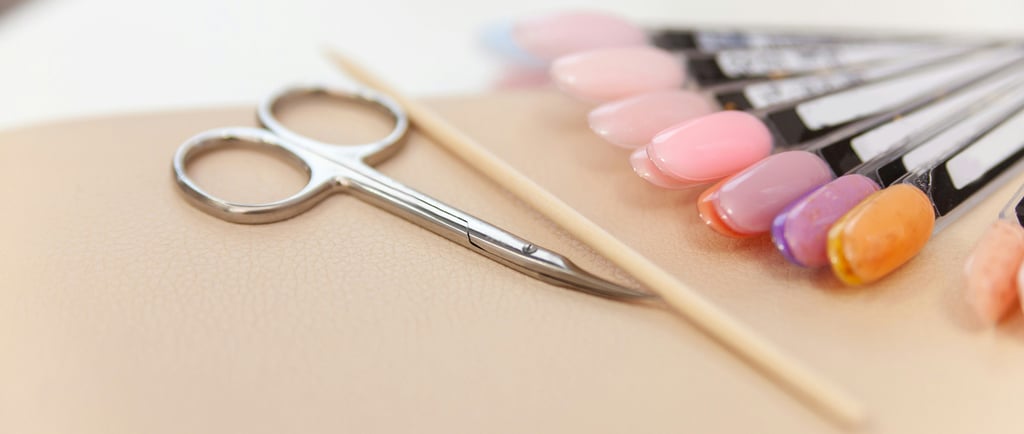
💅 Sharing Nail Tools: Hidden Health Risks
Introduction
Sharing nail tools might seem harmless—especially among friends or at nail salons—but it can expose you to serious health risks. From fungal infections to bacterial contamination, improperly sanitized tools can transfer harmful microorganisms directly to your skin and nails.
In today’s hygiene-conscious world, understanding the risks associated with shared nail tools is essential. Whether you're visiting a salon or doing a DIY manicure at home, being informed can help protect your nail health and overall well-being.
In this guide, we’ll uncover the hidden dangers of sharing nail tools, explain how infections spread, and provide practical tips to keep your nail care routine safe.
🧬 What Are Nail Tools?
Nail tools include any instruments used for nail care and grooming.
Common examples:
Nail clippers
Cuticle pushers
Nail files
Buffers
Scissors
Electric nail drills
These tools come into direct contact with your skin, cuticles, and sometimes blood—making hygiene critically important.
⚠️ Why Sharing Nail Tools Is Risky
Sharing nail tools increases the risk of transmitting infections and harmful microorganisms.
🚨 Key reasons:
Tools can carry bacteria, fungi, and viruses
Tiny cuts or abrasions allow pathogens to enter
Improper sterilization spreads contamination
Even tools that look clean can harbor invisible microbes.
🦠 Common Infections Linked to Shared Nail Tools
Using contaminated nail tools can lead to various infections.
1. Fungal Infections (Onychomycosis)
One of the most common risks.
Symptoms:
Thickened nails
Yellow or white discoloration
Brittle texture
Fungal infections can spread easily through shared tools.
2. Bacterial Infections
Bacteria can enter through small cuts caused by nail tools.
Examples:
Paronychia (infection around the nail)
Redness, swelling, and pain
3. Viral Infections
Though less common, viruses can spread via contaminated tools.
Examples:
Warts (caused by HPV)
4. Bloodborne Risks (Rare but Serious)
If tools are not properly sterilized, there is a small risk of transmitting bloodborne pathogens.
📊 Infection Risks from Shared Nail Tools
🧪 How Contamination Happens
Even professional settings can pose risks if hygiene protocols aren’t followed.
Common contamination sources:
Reusing tools without sterilization
Using porous tools (like nail files) multiple times
Improper storage of equipment
Skipping disinfection steps
According to the Centers for Disease Control and Prevention (CDC), proper sterilization is essential to prevent infection transmission in personal care settings.
🏥 Nail Salons vs Home Use: Where Are the Risks Higher?
💅 Nail Salons
Risks:
Shared tools among multiple clients
Inconsistent sanitation practices
What to check:
Use of autoclaves (sterilization machines)
Single-use tools
Clean workstations
🏠 At Home
Risks:
Sharing tools with family members
Lack of proper cleaning
Solution:
Assign personal nail tools to each individual
🛠️ How to Safely Use Nail Tools
Protecting yourself doesn’t require extreme measures—just smart habits.
💡 Safety Tips
Never share personal nail tools
Clean tools after every use
Use alcohol or disinfectant solutions
Store tools in a clean, dry place
Replace worn or porous tools regularly
🧴 Proper Nail Tool Sterilization
Understanding how to clean nail tools properly is crucial.
🧼 Basic Cleaning Steps
Wash tools with soap and water
Disinfect with 70% isopropyl alcohol
Dry thoroughly before storing
🏥 Professional Sterilization
Autoclave sterilization kills bacteria and viruses
Required in high-standard nail salons
⚠️ Signs of Infection to Watch For
After using shared nail tools, monitor your nails for:
Redness or swelling
Pain around the nail
Discoloration
Thickened or distorted nails
Early detection helps prevent complications.
📊 Key Statistics
Nail infections affect 10–15% of the global population
Fungal nail infections account for up to 50% of nail disorders
Poor hygiene practices are a leading cause of nail infections
These statistics highlight the importance of proper nail tool hygiene.
🔗 Internal Linking Suggestions
Enhance your nail care knowledge:
“Read our article about Healthy vs Unhealthy Nails: A Visual Guide”
“Discover Clean Nail Products: What to Look For”
“Learn more in The Rise of Non-Toxic Nail Salons”
❓ FAQ: Nail Tools & Hygiene
1. Is it safe to share nail tools?
No, sharing nail tools increases the risk of infections and should be avoided.
2. How should I clean my nail tools?
Wash with soap and water, then disinfect with alcohol after each use.
3. Can nail salons be unsafe?
Yes, if proper sterilization practices are not followed.
4. What infections can spread through nail tools?
Fungal, bacterial, and viral infections can all spread through contaminated tools.
5. How often should I replace nail tools?
Replace them when they become worn, damaged, or difficult to clean.
📚 References
Centers for Disease Control and Prevention (CDC): https://www.cdc.gov
American Academy of Dermatology (AAD): https://www.aad.org
Mayo Clinic: https://www.mayoclinic.org
World Health Organization (WHO): https://www.who.int
✅ Conclusion & Call-to-Action
Sharing nail tools may seem convenient, but the hidden health risks are real. From fungal infections to more serious concerns, improper hygiene can compromise your nail health and overall well-being.
The solution is simple: prioritize cleanliness, avoid sharing tools, and choose salons that follow strict hygiene standards.
👉 For more expert-backed health tips and nail care advice, explore HealthInteligence.com and take control of your health—starting with safer nail care habits today.
Contact
Questions? Reach out anytime, we're here to help.
© 2025. All rights reserved.

