
Resistance Bands vs Dumbbells: Best for Fitness?
Resistance bands vs dumbbells—discover which fitness tool is better for strength, weight loss, and home workouts. Expert guide. Read now!
4/8/20263 min read
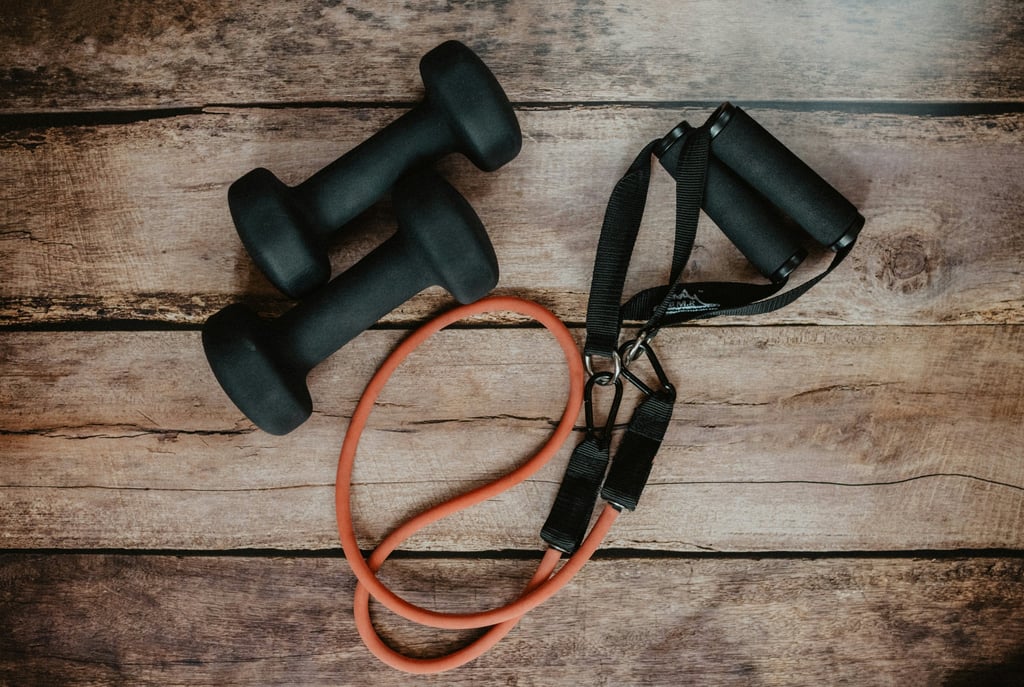
Resistance Bands vs Dumbbells: Which Is Better for Fitness?
Introduction
When it comes to improving your fitness, choosing the right equipment can make a significant difference in your results. Two of the most popular options—resistance bands and dumbbells—are widely used for strength training, muscle building, and home workouts. But which one is better for your fitness goals?
Whether you're a beginner building a home gym or an experienced athlete looking to optimize your routine, understanding the differences between resistance bands and dumbbells is key. In this guide, we’ll compare both tools based on effectiveness, convenience, safety, and long-term results to help you make the smartest fitness decision.
What Are Resistance Bands?
Resistance bands are elastic bands designed to create tension when stretched. They come in various resistance levels, making them suitable for all fitness levels.
Key Benefits of Resistance Bands
Lightweight and portable
Affordable and versatile
Provide constant tension throughout movements
Low impact on joints
Ideal for rehabilitation and flexibility training
📊 Statistic: A study published in the Journal of Strength and Conditioning Research found that resistance band training can produce similar muscle activation to traditional weight training in certain exercises.
What Are Dumbbells?
Dumbbells are free weights used in strength training. They allow for a wide range of exercises and are a staple in most fitness programs.
Key Benefits of Dumbbells
Excellent for building muscle mass
Easy to progressively increase weight
Supports compound and isolation exercises
Improves coordination and balance
Highly effective for strength development
📊 Statistic: According to the American Council on Exercise (ACE), free weights like dumbbells are among the most effective tools for increasing muscular strength and endurance.
Resistance Bands vs Dumbbells: Key Differences
Here’s a mobile-friendly comparison:
Which Is Better for Your Fitness Goals?
1. For Muscle Building
👉 Dumbbells are more effective
In terms of fitness and hypertrophy (muscle growth), dumbbells provide better progressive overload, which is essential for building muscle over time.
2. For Weight Loss
👉 Both are effective
Resistance bands can support calorie-burning workouts, while dumbbells allow for more intense strength training—both contributing to improved fitness and fat loss.
3. For Beginners
👉 Resistance bands are ideal
If you're new to fitness, resistance bands offer a safer, more controlled way to learn proper movement patterns.
4. For Home Workouts
👉 Resistance bands win for convenience
They are easy to store, travel-friendly, and require minimal space—perfect for maintaining your fitness routine anywhere.
5. For Strength & Power
👉 Dumbbells are superior
Dumbbells allow for heavier loads, which are essential for increasing strength and advancing your fitness level.
Can You Combine Resistance Bands and Dumbbells?
Yes—and this is often the best approach for maximizing fitness results.
Benefits of Combining Both:
Increased exercise variety
Better muscle engagement
Reduced injury risk
Improved flexibility and strength
For example:
Use dumbbells for strength training
Use resistance bands for warm-ups or accessory exercises
Pros and Cons
Resistance Bands
Pros:
Portable and lightweight
Joint-friendly
Affordable
Cons:
Limited resistance progression
Less effective for heavy strength training
Dumbbells
Pros:
Excellent for muscle growth
Easy to track progress
Widely available
Cons:
Require storage space
Can be expensive
Higher injury risk if misused
How to Choose the Right Option
Choose Resistance Bands If You:
Want a portable fitness solution
Are a beginner or recovering from injury
Prefer low-impact workouts
Choose Dumbbells If You:
Aim to build muscle and strength
Want long-term progression
Have space for a home gym
Related Keywords Used
strength training
home workout equipment
muscle building
resistance training
weight loss workouts
Internal Linking Suggestions
Read our article about “Apple vs Banana: Which Is Healthier in 2026?”
Check out “Psychology Facts That Improve Mental Health”
FAQ Section (Featured Snippet Optimized)
1. Are resistance bands as effective as dumbbells?
Resistance bands can be effective for general fitness, but dumbbells are better for building significant muscle and strength.
2. Can I build muscle with resistance bands?
Yes, especially as a beginner, but long-term muscle growth may require heavier resistance like dumbbells.
3. Which is better for home workouts?
Resistance bands are more convenient, but dumbbells offer more variety and progression.
4. Are dumbbells safe for beginners?
Yes, when used with proper form and appropriate weight.
5. Should I use both resistance bands and dumbbells?
Yes, combining both can improve overall fitness and provide better results.
Conclusion: Which Is Better for Fitness?
There’s no one-size-fits-all answer in the resistance bands vs dumbbells debate.
Resistance bands are perfect for convenience, flexibility, and beginner-friendly workouts
Dumbbells are ideal for building strength, muscle, and long-term fitness progress
For most people, the smartest strategy is to incorporate both into a balanced workout routine.
References
Journal of Strength and Conditioning Research
https://journals.lww.comAmerican Council on Exercise (ACE)
https://www.acefitness.orgMayo Clinic – Strength training basics
https://www.mayoclinic.orgHarvard Health Publishing – Resistance training benefits
https://www.health.harvard.edu
🚀 Call-to-Action
Ready to take your fitness journey to the next level? Explore more expert workout guides, comparisons, and health insights on HealthInteligence.com—your ultimate destination for smarter, stronger living.
Contact
Questions? Reach out anytime, we're here to help.
© 2025. All rights reserved.

