Nanotechnology in Medicine: Future of Healthcare
Discover how nanotechnology in medicine is transforming drug delivery, cancer treatment, and diagnostics with cutting-edge medical innovations.
3/9/20265 min read
Nanotechnology in Medicine: Transforming the Future of Healthcare
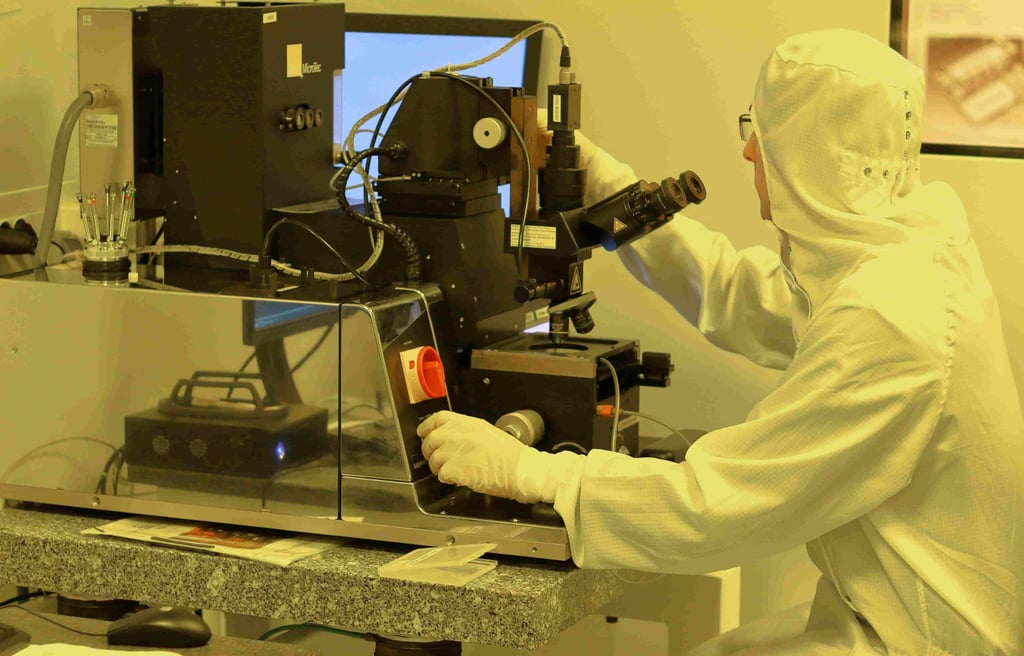
Nanotechnology is rapidly becoming one of the most revolutionary fields in modern medicine. By working with materials at the nanoscale—structures that are typically between 1 and 100 nanometers—scientists can design highly precise medical tools capable of diagnosing and treating diseases in ways that were previously impossible.
The use of Nanotechnology in medicine is opening new possibilities for targeted drug delivery, early disease detection, cancer therapy, and regenerative medicine. Researchers are developing microscopic devices and nanoparticles that can interact directly with cells and tissues, providing more effective and less invasive treatments.
In this article from HealthInteligence.com, we explore how Nanotechnology is transforming healthcare, the major medical applications currently being studied, and what the future may hold for this rapidly evolving field.
What Is Nanotechnology in Medicine?
Nanotechnology refers to the manipulation of matter at extremely small scales—typically measured in nanometers, where one nanometer is one-billionth of a meter.
At this scale, materials behave differently than they do at larger sizes. Scientists can design nanoparticles with specific chemical, electrical, or biological properties.
In medicine, Nanotechnology allows researchers to create advanced systems capable of:
Delivering drugs directly to diseased cells
Detecting diseases at very early stages
Repairing damaged tissues
Improving imaging and diagnostics
These innovations are part of a growing field often called nanomedicine, which combines biotechnology, materials science, and medical research.
According to the National Nanotechnology Initiative, global investment in Nanotechnology research exceeds $30 billion annually, with healthcare representing one of the most promising application areas.
Why Nanotechnology Matters for Modern Healthcare
The promise of Nanotechnology lies in its ability to improve precision in medical treatment.
Traditional therapies often affect both healthy and diseased cells. For example, chemotherapy drugs used in cancer treatment may damage healthy tissues, leading to severe side effects.
Nanotechnology-based treatments, however, can target specific cells or tissues, reducing unintended damage.
This precision may help achieve several important medical goals:
More effective drug therapies
Earlier disease detection
Fewer side effects from treatments
Improved patient outcomes
As research advances, Nanotechnology could fundamentally change how many diseases are treated.
Major Applications of Nanotechnology in Medicine
Scientists are exploring numerous ways to apply Nanotechnology in healthcare. Several applications are already being tested in clinical research and medical practice.
1. Targeted Drug Delivery
One of the most promising uses of Nanotechnology is targeted drug delivery.
Nanoparticles can be engineered to carry medications directly to diseased cells while avoiding healthy tissues.
How Targeted Delivery Works
These tiny carriers are designed to recognize specific biological markers on diseased cells.
Once they reach their target, they release the drug precisely where it is needed.
Benefits of this approach include:
Higher treatment effectiveness
Reduced drug dosage requirements
Fewer side effects
Targeted drug delivery using Nanotechnology is currently being studied for conditions such as cancer, cardiovascular disease, and neurological disorders.
2. Cancer Treatment Innovations
Cancer therapy is one of the most advanced areas of Nanotechnology research.
Traditional cancer treatments can be highly toxic because they affect rapidly dividing cells throughout the body.
Nanoparticles in Cancer Therapy
Researchers are developing nanoparticles that can:
Deliver chemotherapy drugs directly to tumors
Heat and destroy cancer cells using photothermal therapy
Improve tumor imaging during diagnosis
According to studies published in Nature Nanotechnology, nanoparticle-based treatments may significantly improve cancer therapy effectiveness while reducing damage to healthy tissue.
3. Advanced Medical Imaging
Medical imaging plays a critical role in diagnosing diseases.
Nanotechnology is helping improve imaging techniques by enhancing contrast agents used in scans such as MRI and CT.
Nanoparticles can attach to specific cells or tissues, making abnormal areas easier to detect.
This technology may allow doctors to identify diseases such as cancer, Alzheimer’s disease, and cardiovascular conditions at much earlier stages.
Early detection is crucial for improving survival rates and treatment outcomes.
4. Nanotechnology in Regenerative Medicine
Another exciting field is regenerative medicine, where Nanotechnology is used to repair or replace damaged tissues.
Researchers are developing nanomaterials that can support cell growth and tissue regeneration.
Examples include:
Nanofiber scaffolds for tissue repair
Nanoparticles that stimulate cell regeneration
Advanced wound-healing materials
These innovations may help treat injuries, burns, and degenerative diseases more effectively.
5. Nanotechnology-Based Vaccines
The COVID-19 pandemic highlighted the importance of advanced vaccine technologies.
Some modern vaccines use Nanotechnology to deliver genetic instructions to the immune system.
For example, lipid nanoparticles are used to deliver messenger RNA (mRNA) in certain vaccines.
This approach allows vaccines to be developed more quickly and effectively.
Researchers are now exploring Nanotechnology-based vaccines for diseases such as cancer, HIV, and influenza.
Challenges and Safety Considerations
While Nanotechnology offers enormous potential, researchers must address several challenges before these technologies become widely adopted.
Safety and Toxicity
Because nanoparticles interact closely with biological systems, scientists must ensure they do not cause unintended harm.
Extensive safety testing is required before Nanotechnology-based treatments can receive regulatory approval.
Manufacturing Complexity
Producing nanomaterials with consistent quality and stability remains technically challenging.
Advances in materials science and manufacturing are helping overcome these limitations.
Regulatory Approval
Health authorities must carefully evaluate new Nanotechnology therapies to ensure safety and effectiveness before they are introduced to patients.
Despite these challenges, the potential benefits continue to drive significant investment and research.
The Future of Nanotechnology in Medicine
Experts believe the future of Nanotechnology in healthcare is extremely promising.
Several emerging innovations may shape the next generation of medical treatments.
Nanorobots
Scientists are researching microscopic robots capable of navigating the bloodstream to repair damaged tissues or remove disease-causing cells.
Smart Drug Systems
Future Nanotechnology-based drug systems may release medications only when specific biological signals are detected.
Personalized Nanomedicine
Advances in genomics and biotechnology may allow Nanotechnology treatments to be customized for each patient’s genetic profile.
According to market research from Grand View Research, the global nanomedicine market could exceed $400 billion by 2030.
Internal Reading Suggestions
To explore more health innovations and medical research, check out these articles on HealthInteligence.com:
Read our article about “Alzheimer’s Disease Research Breakthroughs.”
Explore our guide on “Neuroscience of Happiness.”
Learn more about “Anti-Inflammatory Diet.”
These resources provide deeper insights into emerging health science and disease prevention.
FAQ: Nanotechnology in Medicine
What is nanotechnology in medicine?
Nanotechnology in medicine involves using extremely small materials or devices to diagnose, treat, and prevent diseases with greater precision.
How is nanotechnology used in cancer treatment?
Researchers use Nanotechnology to deliver chemotherapy drugs directly to tumors, improving treatment effectiveness and reducing side effects.
Are nanotechnology treatments safe?
Most Nanotechnology-based therapies undergo extensive clinical testing to ensure safety before being approved for medical use.
Can nanotechnology detect diseases early?
Yes. Nanotechnology can improve diagnostic imaging and detect disease-related biomarkers earlier than traditional methods.
What is the future of nanotechnology in healthcare?
Future Nanotechnology innovations may include nanorobots, smart drug delivery systems, and personalized nanomedicine treatments.
Final Thoughts
Nanotechnology represents one of the most exciting frontiers in modern medicine. By operating at the molecular and cellular level, researchers can design powerful tools that improve diagnosis, treatment precision, and patient outcomes.
Although many technologies are still in development, the rapid progress in Nanotechnology research suggests that the next generation of medical treatments will be smaller, smarter, and far more targeted.
✅ Want to stay informed about the latest breakthroughs in health science and medical technology?
Visit HealthInteligence.com for expert insights, research updates, and practical health guides designed to help you understand the future of medicine.
References
National Nanotechnology Initiative – Nanomedicine Research
https://www.nano.govNature Nanotechnology – Medical Nanotechnology Studies
https://www.nature.com/nnanoNational Institutes of Health – Nanotechnology in Healthcare
https://www.nih.govGrand View Research – Nanomedicine Market Analysis
https://www.grandviewresearch.comWorld Health Organization – Medical Innovation and Technology
https://www.who.int
Contact
Questions? Reach out anytime, we're here to help.
© 2025. All rights reserved.

