
Healthy Tanning Oils vs Lotions: Best for Skin?
Discover whether tanning oils or lotions are better for your skin. Learn benefits, risks, and expert tips for a safe, healthy glow today!
4/1/20263 min read
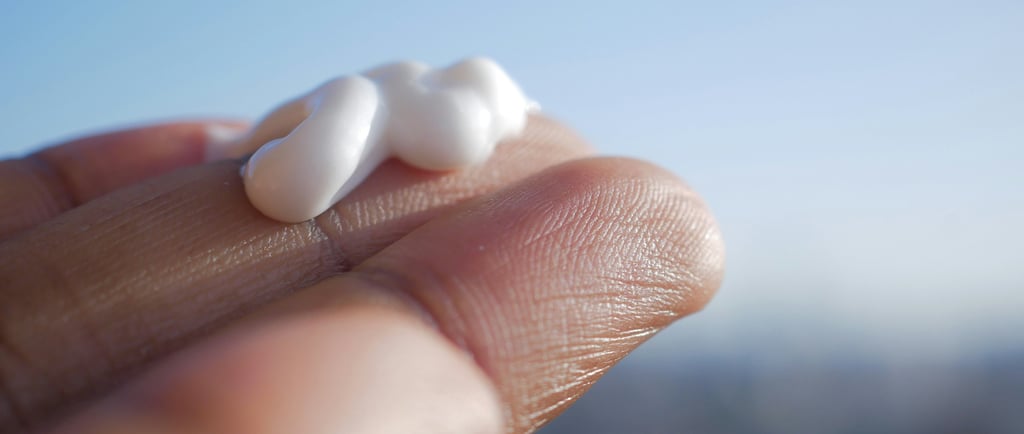
Healthy Tanning Oils vs Lotions: Which Is Better for Your Skin?
Introduction
Achieving a sun-kissed glow is a popular beauty goal, but protecting your skin should always come first. With so many products available, many people wonder: Are tanning oils or lotions better for your skin?
Understanding the difference between these options is essential for maintaining healthy skin, preventing long-term damage, and achieving a natural-looking tan safely. In this guide, we break down the science, benefits, and risks of both tanning oils and lotions—so you can make the best choice for your skin in 2026 and beyond.
What Are Tanning Oils?
Tanning oils are designed to accelerate the tanning process by intensifying the effects of UV rays on your skin. These products often contain natural oils such as coconut, olive, or carrot oil.
Benefits of Tanning Oils
Enhance melanin production for faster tanning
Provide a glossy, hydrated look to the skin
Often contain natural ingredients and antioxidants
Risks of Tanning Oils
Typically low or no SPF protection
Increase risk of sunburn and UV damage
Can accelerate premature aging of the skin
Tanning oils may appeal to those seeking quick results, but they often compromise skin safety if used without proper sun protection.
What Are Tanning Lotions?
Tanning lotions are formulated to provide a more balanced approach, combining hydration with UV protection. Many modern formulas include SPF and nourishing ingredients.
Benefits of Tanning Lotions
Offer SPF protection to shield the skin
Provide hydration, preventing dryness and peeling
Often enriched with vitamins and antioxidants
Risks of Tanning Lotions
Slower tanning process compared to oils
Some products contain synthetic chemicals
May feel heavier on the skin
Tanning lotions are generally considered safer for maintaining healthy skin, especially when used correctly.
Key Differences: Tanning Oils vs Lotions
FeatureTanning OilsTanning LotionsSPF ProtectionLow or noneModerate to highHydrationModerateHighTanning SpeedFastGradualSkin SafetyLowerHigherIngredientsOften natural oilsMix of natural & synthetic
Which Is Better for Your Skin?
When it comes to overall skin health, tanning lotions are the safer option. Dermatologists consistently recommend products that include SPF to protect the skin from harmful UV rays.
Excessive UV exposure is a major risk factor for conditions like Melanoma, one of the most serious forms of skin cancer. According to the World Health Organization, UV radiation is responsible for up to 90% of non-melanoma skin cancers.
While tanning oils may deliver faster results, they expose your skin to higher levels of damage. Tanning lotions, especially those labeled “broad-spectrum SPF,” provide a safer, more sustainable way to achieve a glow.
Best Ingredients for Healthy Skin While Tanning
When choosing a product, focus on ingredients that protect and nourish your skin:
✅ Recommended Ingredients
Aloe vera (soothing and hydrating)
Vitamin E (antioxidant protection)
Coconut oil (moisturizing benefits)
Zinc oxide (mineral SPF protection)
❌ Ingredients to Avoid
Parabens
Artificial fragrances
Oxybenzone (controversial UV filter)
Using high-quality ingredients helps maintain healthy skin while reducing irritation and long-term damage.
Safe Tanning Tips for Healthy Skin
No matter which product you choose, follow these expert tips:
Always use SPF 30 or higher to protect your skin
Avoid peak sun hours (10 AM – 4 PM)
Reapply sunscreen every 2 hours
Stay hydrated to support your skin barrier
Use after-sun care to repair and nourish the skin
Tanning Alternatives: Are They Better for Skin?
If you want to avoid UV exposure altogether, consider sunless tanning options:
Self-tanning lotions
Spray tans
Gradual tanning moisturizers
These alternatives provide color without damaging your skin, making them a safer choice for long-term health.
Internal Linking Suggestions
Read our article about “Mind-Blowing Body Facts You Need to Know Today”
Check out “Psychology Facts That Improve Mental Health”
FAQ: Healthy Tanning Oils vs Lotions
1. Are tanning oils bad for your skin?
Tanning oils can be harmful if they lack SPF, as they increase UV exposure and damage to the skin.
2. Is tanning lotion safer than oil?
Yes, tanning lotions with SPF are generally safer for protecting the skin while tanning.
3. Can you tan safely without damaging your skin?
Yes, by using SPF, limiting sun exposure, and choosing protective products, you can reduce harm to your skin.
4. What SPF should I use while tanning?
Dermatologists recommend at least SPF 30 to protect your skin from UV damage.
5. Are natural oils safer for tanning?
Not necessarily. Even natural oils can intensify UV exposure and harm your skin without SPF.
Conclusion
When comparing healthy tanning oils vs lotions, the answer is clear: tanning lotions are better for your skin. While oils may offer faster results, they significantly increase the risk of damage, premature aging, and serious health concerns.
Protecting your skin should always be your top priority. By choosing safer products, using SPF, and following smart tanning habits, you can achieve a radiant glow without compromising your health.
Call-to-Action
Want more science-backed tips to protect and improve your skin health?
👉 Explore the latest expert guides now on HealthInteligence.com and take control of your wellness journey today!
References
World Health Organization – UV Radiation and Skin Cancer
👉 https://www.who.int/news-room/questions-and-answers/item/radiation-ultraviolet-(uv)American Academy of Dermatology – Sunscreen Guidelines
👉 https://www.aad.org/public/everyday-care/sun-protection/sunscreen/how-to-use-sunscreenSkin Cancer Foundation – Tanning Risks and Prevention
👉 https://www.skincancer.org/risk-factors/tanning/Centers for Disease Control and Prevention (CDC) – Sun Safety
👉 https://www.cdc.gov/cancer/skin/basic_info/sun-safety.htm
Contact
Questions? Reach out anytime, we're here to help.
© 2025. All rights reserved.

