Food & Water Insecurity: Global Health Risks Guide
Discover how food & water insecurity affects health worldwide. Learn causes, risks, and prevention strategies for a safer future.
3/26/20263 min read
🌍 Food & Water Insecurity: A Global Health Crisis You Can’t Ignore
Introduction
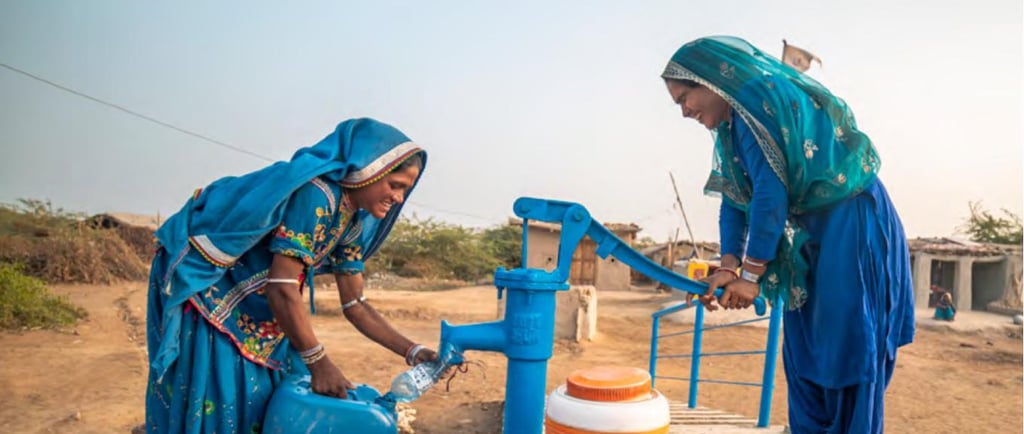
Food & water insecurity is one of the most pressing global health challenges today. Millions of people across the USA, Europe, Gulf countries, India, and China struggle daily to access safe food and clean drinking water.
This crisis not only affects survival—but also leads to chronic diseases, malnutrition, and weakened immune systems. In this guide, you’ll learn the causes, health impacts, and practical solutions to protect yourself and your community.
📚 Table of Contents
What is Food & Water Insecurity?
Causes and Risk Factors
Health Effects and Symptoms
Prevention and Solutions
Global Perspective
Expert Insights & Pro Tips
FAQs (People Also Ask)
Conclusion
🔍 What is Food & Water Insecurity?
Definition (Featured Snippet Optimized):
Food & water insecurity refers to the lack of reliable access to sufficient, safe, and nutritious food and clean drinking water. It is caused by economic inequality, climate change, and infrastructure challenges, and it leads to serious health risks including malnutrition, infections, and chronic diseases.
⚠️ Causes and Risk Factors
🌦️ 1. Climate Change
Droughts reduce crop production
Floods destroy farmland and contaminate water
Rising temperatures affect food supply chains
💰 2. Economic Inequality
Low-income populations struggle to afford nutritious food
Rising food prices impact urban and rural communities
Limited access to healthcare worsens outcomes
🚰 3. Poor Water Infrastructure
Contaminated water sources
Lack of sanitation systems
Aging infrastructure in developed countries
🌍 4. Population Growth & Urbanization
Increased demand for food and water
Overcrowded cities strain resources
Reduced agricultural land availability
🚨 Health Effects and Symptoms
🥗 Malnutrition & Nutrient Deficiency
ضعف المناعة (weakened immunity)
Fatigue and ضعف التركيز (poor concentration)
Stunted growth in children
🦠 Waterborne Diseases
Diarrhea and dehydration
Cholera and typhoid
Parasite infections
❤️ Chronic Diseases
Diabetes and obesity (due to poor-quality diets)
Heart disease
Kidney problems from unsafe water
🛡️ Prevention and Solutions
✅ Improve Access to Nutritious Food
Support local agriculture
Promote affordable healthy diets
Reduce food waste
🚰 Ensure Safe Drinking Water
Use water filtration systems
Boil water when safety is uncertain
Invest in sanitation infrastructure
🌱 Sustainable Practices
Water conservation techniques
Climate-resilient farming
Renewable energy in agriculture
🏥 Public Health Interventions
Government food programs
Community nutrition education
Vaccination and disease prevention
🌍 Global Perspective: Regional Differences
🇺🇸 USA & 🇨🇦 Canada
Food insecurity exists despite abundance
High reliance on processed foods
Government programs like food assistance help
🇪🇺 Europe
Strong food safety regulations
Social welfare reduces extreme insecurity
Climate change still affects agriculture
🌍 Gulf Countries (UAE, Saudi Arabia)
Limited natural water resources
Heavy reliance on food imports
Advanced desalination technology
🇮🇳 India & 🇨🇳 China
Large populations increase demand
Rural areas face water shortages
Rapid urbanization challenges infrastructure
👉 According to global health authorities like the WHO, unsafe water causes millions of deaths annually, especially in low-resource settings.
💡 Expert Insights & Pro Tips
✔ Pro Tip #1: Always prioritize clean drinking water—even over food in emergencies
✔ Pro Tip #2: Balanced nutrition strengthens immunity against diseases
✔ Pro Tip #3: Small lifestyle changes (reducing waste, saving water) have global impact
✔ Expert Insight:
Public health experts emphasize that improving food and water access could prevent a significant percentage of global diseases.
❓ FAQs (People Also Ask)
1. What causes food and water insecurity?
It is mainly caused by poverty, climate change, population growth, and poor infrastructure.
2. How does water insecurity affect health?
It leads to dehydration, infections, and life-threatening diseases like cholera.
3. Can food insecurity lead to obesity?
Yes. Limited access to healthy food often results in reliance on cheap, unhealthy options.
4. Which countries are most affected?
Developing countries are most affected, but food insecurity also exists in developed nations.
5. How can individuals help reduce food insecurity?
By reducing food waste, supporting local farmers, and promoting sustainable practices.
🔗 Internal & External Linking Strategy
Internal Links (HealthInteligence.com)
External Sources
World Health Organization (WHO)
Centers for Disease Control and Prevention (CDC)
Mayo Clinic
📱 Readability & UX Optimization
Clear, simple English for global readers
Short paragraphs and bullet points
Logical heading structure
Mobile-friendly formatting
📣 Conclusion
Food & water insecurity is a global health issue that affects millions—regardless of geography. While the causes are complex, the solutions are within reach through awareness, policy, and individual action.
👉 Take action today: Conserve water, eat responsibly, and support sustainable systems to protect your health and future generations.
⚠️ Medical Disclaimer
This article is for informational purposes only and does not replace professional medical advice. Consult a healthcare provider for personalized guidance.
Contact
Questions? Reach out anytime, we're here to help.
© 2025. All rights reserved.

