Environmental Health Risks: Global Impact & Prevention
Discover major environmental health risks affecting millions worldwide. Learn causes, symptoms, and expert prevention tips today.
3/26/20263 min read

🌍 Environmental Health Risks: Hidden Threats to Global Health
Introduction
Health is no longer shaped by genetics and lifestyle alone—environmental health risks now play a major role in determining how we live, age, and survive. From polluted air in major cities to contaminated water and climate change impacts, these risks affect billions across the USA, Europe, Gulf countries, India, and China.
In this comprehensive guide, you’ll learn what environmental health risks are, how they impact your body, and the most effective ways to protect yourself and your family.
📚 Table of Contents
What Are Environmental Health Risks?
Major Types of Environmental Risks
Causes and Risk Factors
Health Effects and Symptoms
Prevention and Solutions
Global Perspective
Expert Insights & Pro Tips
FAQs (People Also Ask)
Conclusion
🔍 What Are Environmental Health Risks?
Definition (Featured Snippet Optimized):
Environmental health risks are external physical, chemical, and biological factors that negatively affect human health. These include air pollution, water contamination, climate change, and exposure to harmful substances, leading to diseases such as respiratory disorders, infections, and chronic illnesses.
⚠️ Major Types of Environmental Health Risks
🌫️ Air Pollution
Caused by vehicles, industries, and wildfires
Linked to asthma, lung disease, and heart conditions
Affects both outdoor and indoor environments
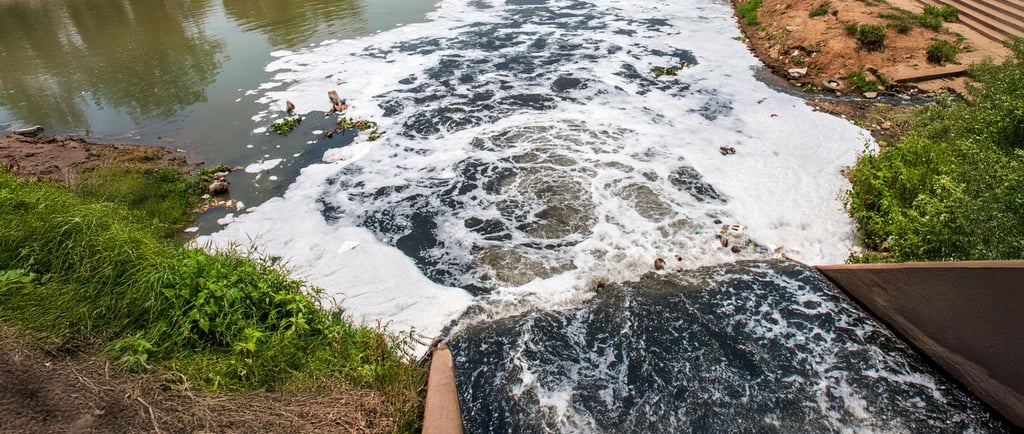
🚰 Water Pollution
Contaminated drinking water sources
Spread of diseases like cholera and typhoid
Common in areas with poor sanitation
🌡️ Climate Change & Heatwaves
Rising temperatures increase heat-related illnesses
Extreme weather events affect food and water supply
Higher risk of disease outbreaks
☢️ Chemical & Toxic Exposure
Exposure to pesticides, heavy metals, and industrial chemicals
Linked to cancer, neurological disorders, and hormone disruption
⚠️ Causes and Risk Factors
🌍 Urbanization & Industrialization
Rapid city growth increases pollution
Overcrowding strains infrastructure
Increased waste production
🌿 Environmental Degradation
Deforestation and loss of biodiversity
Soil and water contamination
Disruption of ecosystems
🚗 Lifestyle & Human Activity
Heavy reliance on fossil fuels
Plastic waste and overconsumption
Poor waste management systems
🚨 Health Effects and Symptoms
🫁 Respiratory Diseases
Chronic cough and breathing difficulty
Asthma and bronchitis
Lung infections
❤️ Cardiovascular Problems
Increased risk of heart attacks
High blood pressure
Stroke
🦠 Infectious Diseases
Waterborne diseases (cholera, diarrhea)
Vector-borne diseases (malaria, dengue)
🧠 Neurological & Hormonal Effects
Memory issues and cognitive decline
Hormonal imbalance due to toxins
Developmental issues in children
🛡️ Prevention and Solutions
✅ Individual-Level Actions
Use air purifiers and clean water filters
Avoid exposure to polluted environments
Practice proper hygiene and sanitation
🌱 Community & Government Solutions
Invest in clean energy
Improve waste management systems
Enforce environmental regulations
🌎 Sustainable Living Practices
Reduce plastic use
Conserve water and energy
Support eco-friendly products
🌍 Global Perspective: Regional Differences
🇺🇸 USA & 🇨🇦 Canada
Wildfires contribute to air pollution
Advanced healthcare systems (CDC, public health programs)
Environmental awareness is increasing
🇪🇺 Europe
Strong environmental regulations
Cleaner energy transition
Aging population more vulnerable to environmental risks
🌍 Gulf Countries (UAE, Saudi Arabia)
Extreme heat and water scarcity
Dependence on desalination
Rapid urban development
🇮🇳 India & 🇨🇳 China
Severe air pollution in major cities
Industrial growth impacting environment
Large populations increase exposure risks
👉 According to organizations like the WHO and Mayo Clinic, environmental factors contribute to a significant percentage of global diseases.
💡 Expert Insights & Pro Tips
✔ Pro Tip #1: Monitor air quality daily and limit exposure during high pollution
✔ Pro Tip #2: Clean drinking water is essential—use filters if necessary
✔ Pro Tip #3: Reduce chemical exposure by choosing natural products
✔ Expert Insight:
Preventive environmental health strategies can significantly reduce disease burden worldwide.
❓ FAQs (People Also Ask)
1. What are the biggest environmental health risks today?
Air pollution, water contamination, climate change, and chemical exposure are the most significant risks.
2. How does pollution affect human health?
It can cause respiratory diseases, heart problems, and long-term chronic illnesses.
3. Can environmental risks be prevented?
Yes. Through policy changes, sustainable practices, and personal lifestyle adjustments.
4. Who is most vulnerable to environmental health risks?
Children, elderly individuals, and low-income populations are most at risk.
5. How can I reduce my exposure?
Use clean water, avoid polluted areas, and adopt eco-friendly habits.
🔗 Internal & External Linking Strategy
Internal Links (HealthInteligence.com)
Best Diet for Detox and Health
External Sources
World Health Organization (WHO)
Centers for Disease Control and Prevention (CDC)
Mayo Clinic
📱 Readability & UX Optimization
Simple, global English
Short, clear paragraphs
Bullet points for easy scanning
Mobile-friendly layout
📣 Conclusion
Environmental health risks are shaping the future of global health. From polluted air to unsafe water and climate change, these threats affect every region and population.
The key takeaway? Prevention starts with awareness and action. By making smarter lifestyle choices and supporting sustainable policies, we can protect our health and future generations.
👉 Start today: Breathe cleaner air, drink safer water, and live sustainably.
⚠️ Medical Disclaimer
This article is for informational purposes only and does not replace professional medical advice. Always consult a healthcare professional for personalized guidance.
Contact
Questions? Reach out anytime, we're here to help.
© 2025. All rights reserved.

