
Breathwork vs Meditation: Key Differences & Benefits
Discover Breathwork vs Meditation—benefits, differences, and which is best for stress, focus, and mental health. Find the right practice today!
4/9/20263 min read
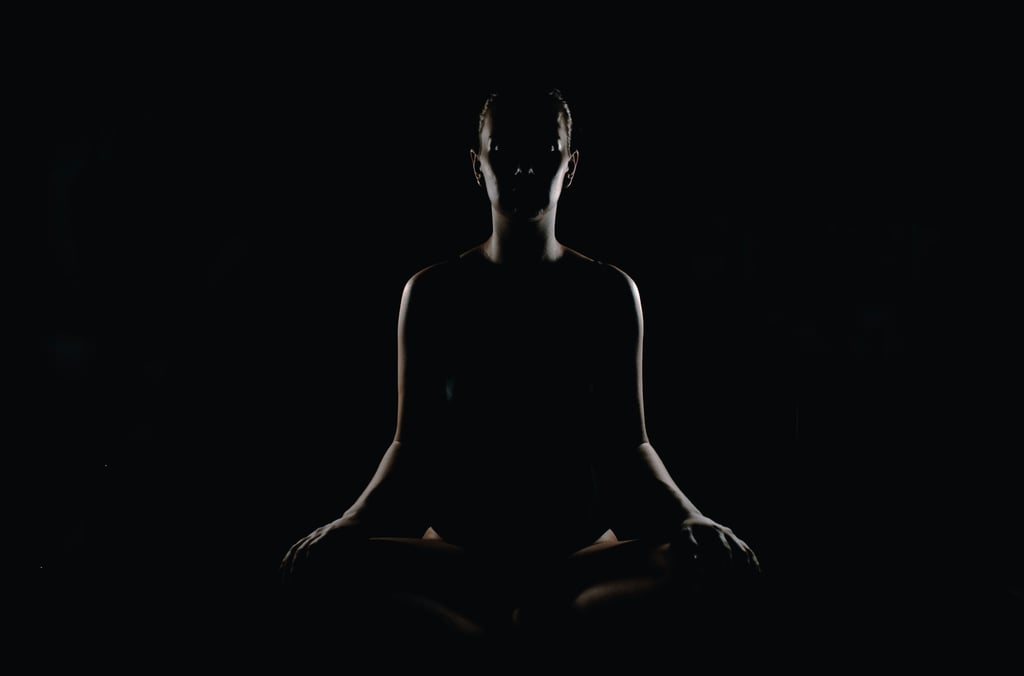
Breathwork vs Meditation: Which Practice Is Right for You?
Introduction
In today’s fast-paced world, stress, anxiety, and burnout are more common than ever. As a result, practices like Breathwork and meditation have surged in popularity as natural, effective ways to improve mental and physical well-being. But when it comes to Breathwork vs meditation, which one is better for you?
While both practices promote relaxation and mindfulness, they differ in technique, purpose, and outcomes. Understanding these differences can help you choose the right method for your lifestyle and health goals.
What Is Breathwork?
Breathwork refers to a variety of breathing techniques designed to improve physical, emotional, and mental health. It involves consciously controlling your breathing patterns to influence your nervous system.
Key Benefits of Breathwork
Reduces stress and anxiety quickly
Improves oxygen flow and energy levels
Enhances emotional release
Supports better sleep
Boosts focus and clarity
Breathwork techniques range from simple deep breathing to structured methods like box breathing and holotropic breathing.
What Is Meditation?
Meditation is a mental practice that involves focusing your attention and eliminating distractions to achieve a state of calm and awareness.
Key Benefits of Meditation
Enhances mindfulness and awareness
Reduces symptoms of anxiety and depression
Improves emotional regulation
Increases attention span
Promotes long-term mental clarity
Unlike Breathwork, meditation often emphasizes stillness and observation rather than active control.
Breathwork vs Meditation: Key Differences
👉 This table is mobile-friendly and easy to scan.
How Breathwork Affects the Body
Breathwork directly impacts the autonomic nervous system. By altering your breathing, you can shift from a stress response (fight-or-flight) to a relaxation state (rest-and-digest).
Scientific Insight
A 2023 study published by Stanford University found that controlled breathing exercises can reduce anxiety faster than mindfulness meditation in some cases.
According to the National Institutes of Health (NIH), slow breathing techniques improve heart rate variability, a key marker of resilience to stress.
This makes Breathwork particularly effective for instant stress relief.
How Meditation Affects the Mind
Meditation works by training the brain to focus and remain present. Over time, it can physically change brain structure.
Scientific Insight
Research from Harvard Medical School shows that meditation can increase gray matter in areas related to memory and emotional regulation.
A meta-analysis in JAMA Internal Medicine found meditation reduces symptoms of anxiety, depression, and pain.
While Breathwork offers immediate effects, meditation builds long-term mental resilience.
Breathwork vs Meditation for Anxiety
When comparing Breathwork vs meditation for anxiety, both are effective—but in different ways.
Breathwork: Best for quick relief during panic or stress
Meditation: Best for preventing anxiety over time
👉 If you need fast calming, Breathwork is ideal.
👉 If you want lasting emotional balance, meditation is better.
Can You Combine Breathwork and Meditation?
Absolutely. In fact, combining both practices can maximize benefits.
How to Combine Them
Start with Breathwork (5–10 minutes)
Transition into meditation (10–20 minutes)
End with relaxation or gratitude practice
This approach helps calm the body first, making meditation easier and more effective.
Which One Should You Choose?
Choosing between Breathwork vs meditation depends on your goals:
Choose Breathwork if you:
Feel stressed or overwhelmed
Need quick results
Struggle to sit still
Want to boost energy
Choose Meditation if you:
Want long-term mental clarity
Are working on emotional healing
Prefer stillness and reflection
Want to build focus and discipline
👉 Many people benefit from using both depending on the situation.
Secondary Keywords Naturally Included
breathing techniques
mindfulness practice
stress relief techniques
mental health practices
relaxation techniques
anxiety management
Internal Linking Suggestions
Read our article about “Best Stress Relief Techniques for 2026”
Check out “Mental Health Habits for a Better Life”
FAQ: Breathwork vs Meditation
1. Is Breathwork better than meditation?
Neither is better—Breathwork is ideal for quick stress relief, while meditation supports long-term mental health.
2. Can beginners start with Breathwork?
Yes, Breathwork is often easier for beginners because it provides immediate results and requires less mental focus.
3. How often should I practice Breathwork?
You can practice Breathwork daily, even for just 5–10 minutes, to experience benefits.
4. Does meditation take longer to work?
Yes, meditation typically requires consistent practice over weeks or months to see significant results.
5. Can Breathwork replace meditation?
No, Breathwork complements meditation rather than replacing it. Both serve different purposes.
Conclusion
When it comes to Breathwork vs meditation, the best choice isn’t about picking one over the other—it’s about understanding your needs. Breathwork offers fast, powerful relief from stress, while meditation builds deep, lasting mental clarity and resilience.
Incorporating both into your routine can help you achieve a balanced, healthier mind and body.
References
🚀 Call to Action
Ready to take control of your mental well-being? Explore more expert-backed guides, comparisons, and wellness tips on HealthInteligence.com and start building a healthier, calmer life today.
Contact
Questions? Reach out anytime, we're here to help.
© 2025. All rights reserved.

