What Populations Benefit Most From Hybrid Coaching and Digital Fitness Models?
As fitness, healthcare, and wellness increasingly blend in-person services with digital tools, hybrid coaching models are becoming more common. These models combine face-to-face support with apps, wearables, remote feedback, and data-driven personalization. But an important question remains: What populations benefit most from hybrid coaching compared to traditional approaches? Research suggests that while hybrid models can benefit many people, certain populations experience particularly strong improvements in adherence, outcomes, and long-term engagement.
1/13/20263 min read
Busy Working Adults
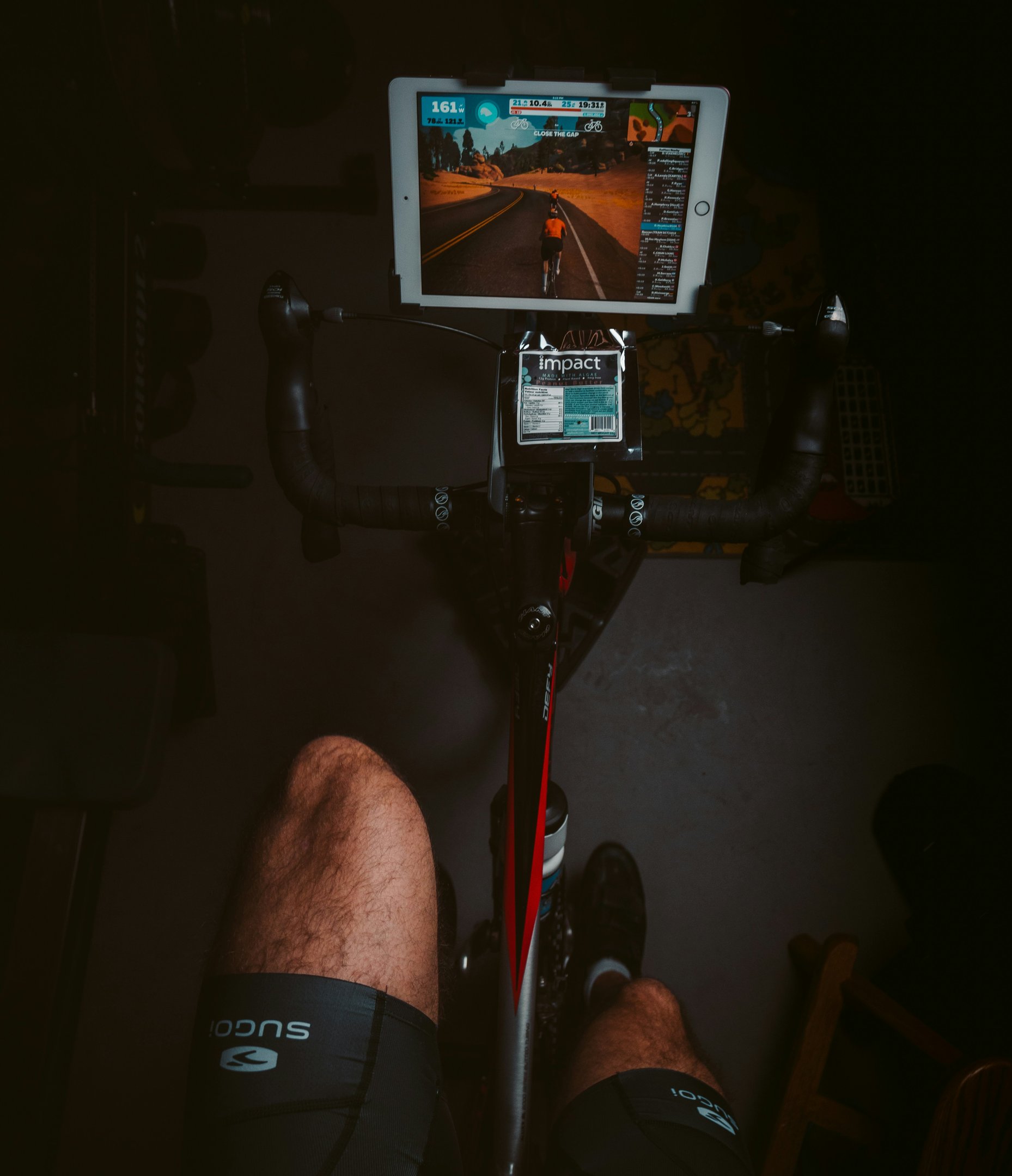
Time constraints are one of the biggest barriers to regular exercise. Hybrid coaching allows busy adults to:
Train remotely when schedules change
Receive guidance without commuting
Stay accountable through digital check-ins
Studies show that flexibility and reduced time burden significantly improve exercise adherence among working adults, especially those balancing careers and family responsibilities.
Why it works: flexibility, convenience, reduced friction
Beginners and Previously Inactive Individuals
People new to exercise often struggle with confidence, motivation, and consistency. Hybrid coaching provides:
Initial in-person instruction for safety and technique
Ongoing digital support between sessions
Gradual progression based on real-world feedback
This combination helps reduce intimidation while maintaining accountability, making hybrid models particularly effective for those starting their fitness journey.
Why it works: guided learning + continuous encouragement
Older Adults and Aging Populations
For older adults, consistency and safety matter more than intensity. Hybrid coaching supports:
Supervised instruction during key sessions
Remote monitoring of activity, balance, and recovery
Reduced travel and physical strain
Research indicates that blended exercise programs improve adherence and functional outcomes in older adults while maintaining safety.
Why it works: supervision without overexertion, accessible monitoring
Individuals Managing Chronic Conditions
Populations with conditions such as:
Type 2 diabetes
Cardiovascular disease
Obesity
Musculoskeletal pain
benefit from hybrid coaching because it allows personalized programming with regular monitoring, without requiring constant clinic visits. Wearables and digital tracking help clinicians and coaches adjust programs safely over time.
Why it works: personalization, continuous oversight, reduced healthcare burden
Remote and Underserved Populations
Access to qualified coaching and healthcare professionals is limited in many rural or underserved areas. Hybrid coaching expands access by:
Delivering professional guidance remotely
Reducing geographic barriers
Lowering costs compared to fully in-person services
This makes hybrid models particularly valuable for populations who would otherwise lack consistent support.
Why it works: access and scalability
Highly Motivated but Data-Driven Individuals
Some individuals are already motivated but want deeper insight into performance, recovery, and progress. Hybrid coaching enhances engagement for this group by:
Integrating wearable data
Offering detailed feedback
Enabling goal-driven personalization
For these users, data becomes a motivator rather than a burden.
Why it works: feedback loops and measurable progress
Mental Health–Sensitive Populations
Exercise is increasingly prescribed for mental health support. Hybrid coaching can help individuals experiencing stress, anxiety, or mild depression by:
Reducing social pressure of in-person settings
Providing flexible participation options
Supporting consistency through low-barrier engagement
Digital check-ins and self-monitoring tools can improve adherence without overwhelming the individual.
Why it works: autonomy, reduced pressure, consistent structure
Who May Benefit Less?
While hybrid coaching benefits many, it may be less effective for:
Individuals with very low digital literacy
Populations requiring constant hands-on supervision
Those strongly motivated by social, in-person group dynamics alone
In these cases, traditional coaching or fully supervised programs may still be more appropriate.
The Bigger Picture: Matching the Model to the Population
The effectiveness of hybrid coaching depends less on the technology itself and more on how well the model matches the needs of the population. When designed intentionally, hybrid approaches can outperform traditional models in adherence, accessibility, and long-term outcomes.
Final Thoughts
Hybrid coaching does not benefit everyone equally — but for busy adults, beginners, older individuals, people with chronic conditions, and underserved populations, it offers clear advantages. By combining human support with digital flexibility, hybrid models meet people where they are, making long-term engagement more realistic and sustainable.
As fitness and healthcare continue to converge, understanding which populations benefit most will be key to designing effective, inclusive programs.
Sources
World Health Organization – Digital health interventions for physical activity and behavior change
https://www.who.int/teams/digital-health-and-innovationBritish Journal of Sports Medicine – Effectiveness of blended and digital exercise interventions
https://bjsm.bmj.com/content/55/21/1207Frontiers in Sports and Active Living – Hybrid and remote coaching models in health promotion
https://www.frontiersin.org/articles/10.3389/fspor.2023.1179835/fullNational Institutes of Health – Physical activity interventions and adherence across populations
https://www.ncbi.nlm.nih.gov/pmc/articles/PMC6048031/American College of Sports Medicine – Technology-supported exercise for older adults
https://www.acsm.org/education-resources/trending-topics-resourcesSystematic review: Digital health interventions for chronic disease management
https://www.sciencedirect.com/science/article/pii/S0749379721002020
Contact
Questions? Reach out anytime, we're here to help.
© 2025. All rights reserved.

