
What Is the Role of Mindful Movement in Overall Wellness?
In today’s fast-paced world, physical activity is often viewed solely as a means to improve fitness or burn calories. However, a growing body of research highlights the unique benefits of mindful movement — exercises that combine intentional movement with awareness, breath control, and mental focus. Mindful movement practices, such as yoga, Tai Chi, Pilates, and Qigong, are increasingly recognized for promoting physical, mental, and emotional wellness.
1/13/20262 min read
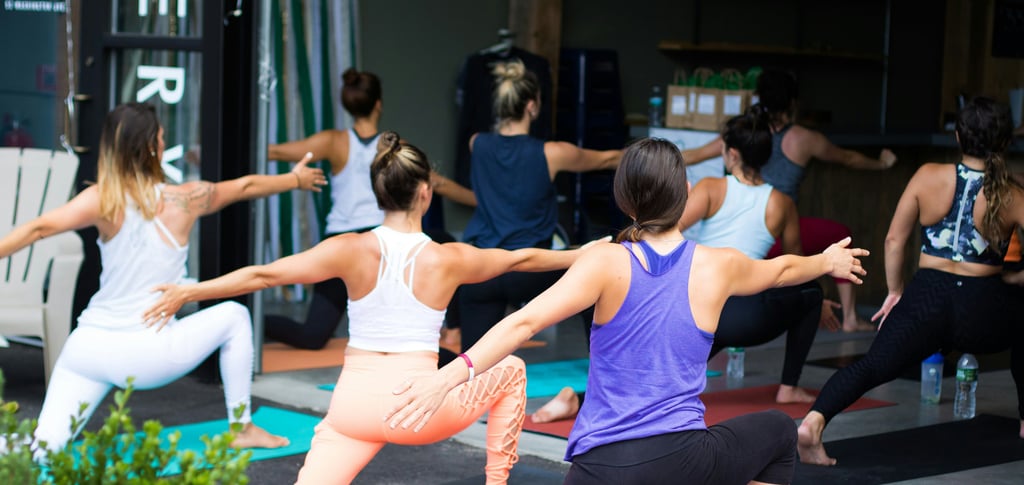
What Is Mindful Movement?
Mindful movement emphasizes intentional awareness during physical activity. Key elements include:
Focused attention on the body and breath
Awareness of posture, alignment, and muscular engagement
Mindfulness of thoughts and sensations during movement
Unlike standard exercise, mindful movement is not just about the end result (strength, flexibility, or endurance) but also about how you move and experience your body.
Physical Benefits of Mindful Movement
Improved Strength, Flexibility, and Balance
Mindful practices often involve slow, controlled movements and sustained postures, which enhance muscular strength, joint stability, and flexibility. Tai Chi, for example, has been shown to improve balance and reduce fall risk in older adults.Enhanced Cardiovascular and Respiratory Function
Certain mindful movement modalities, such as Vinyasa yoga, elevate heart rate moderately while coordinating breath with movement, improving cardiovascular efficiency and respiratory control.Reduced Physical Pain and Injury Risk
Focusing on alignment and body mechanics helps reduce strain, alleviate chronic pain, and minimize the risk of overuse injuries. Pilates and mindful stretching are frequently prescribed for rehabilitation purposes.
Mental and Emotional Benefits
Stress Reduction
Mindful movement activates the parasympathetic nervous system, lowering heart rate and cortisol levels. Studies show that regular yoga or Tai Chi practice reduces perceived stress, improves mood, and enhances emotional resilience.Anxiety and Depression Relief
Mindful movement encourages present-moment awareness, which can reduce rumination — a common factor in anxiety and depression. Consistent practice has been linked to decreased symptoms of both conditions.Improved Cognitive Function
Focus and breath awareness during mindful movement enhance attention, working memory, and cognitive flexibility. Mind-body practices have even been associated with neuroprotective benefits in older adults.
Social and Behavioral Benefits
Enhanced Social Connection
Many mindful movement classes, such as group yoga or community Tai Chi sessions, foster social engagement and a sense of belonging, which are critical for mental well-being.Better Lifestyle Habits
Practitioners of mindful movement are often more aware of their nutrition, sleep, and stress levels, leading to healthier overall lifestyle choices.
Mindful Movement for Holistic Wellness
Mindful movement addresses wellness from multiple angles:
Physical: Strength, flexibility, balance, pain reduction
Mental: Stress reduction, mood improvement, cognitive enhancement
Emotional: Mindfulness, resilience, emotional regulation
Social: Community and connection
This holistic approach makes mindful movement a powerful tool for maintaining long-term wellness.
How to Incorporate Mindful Movement Into Daily Life
Start Small – Begin with 10–15 minutes per day of mindful stretching or yoga.
Focus on Breath – Coordinate each movement with slow, deep breathing.
Engage Your Senses – Notice how your muscles feel, how your joints move, and how your mind responds.
Consistency Over Intensity – Regular, mindful practice is more effective than occasional high-intensity workouts.
Explore Different Modalities – Experiment with yoga, Tai Chi, Pilates, or Qigong to find the best fit for your lifestyle.
Final Thoughts
Mindful movement offers far more than traditional exercise alone. By combining physical activity with focused awareness, it improves not only strength and flexibility but also mental health, emotional balance, and overall quality of life.
Whether you are seeking stress relief, better posture, or enhanced well-being, incorporating mindful movement into your routine can be a transformative tool for holistic wellness.
Sources
Harvard Health – Yoga for better health: Benefits for body and mind
https://www.health.harvard.edu/staying-healthy/yoga-for-better-healthNational Center for Complementary and Integrative Health – Tai Chi and Qigong
https://www.nccih.nih.gov/health/tai-chi-and-qigongJournal of Clinical Psychology – Mind-body practices for stress and anxiety
https://onlinelibrary.wiley.com/doi/full/10.1002/jclp.23068Frontiers in Psychology – Mindful movement and cognitive function
https://www.frontiersin.org/articles/10.3389/fpsyg.2020.02123/fullBritish Journal of Sports Medicine – Effects of Pilates and mind-body exercise on wellness
https://bjsm.bmj.com/content/51/8/599Mayo Clinic – Yoga: Fight stress and find serenity
https://www.mayoclinic.org/healthy-lifestyle/stress-management/in-depth/yoga/art-20044733
Contact
Questions? Reach out anytime, we're here to help.
© 2025. All rights reserved.

