
Wearable Tech & AI Fitness Coaching: The Biggest Workout Trend of 2026
How smart wearables and artificial intelligence are transforming fitness — with expert sources In 2026, the fitness world is undergoing a major shift. Exercise is no longer just about joining a gym and following a static plan — it’s about data-driven personalization, real-time feedback, and adaptive coaching powered by AI and wearable technology. Below we explore why this trend is dominating conversations and reshaping how people train, recover, and improve their health.
1/19/20262 min read
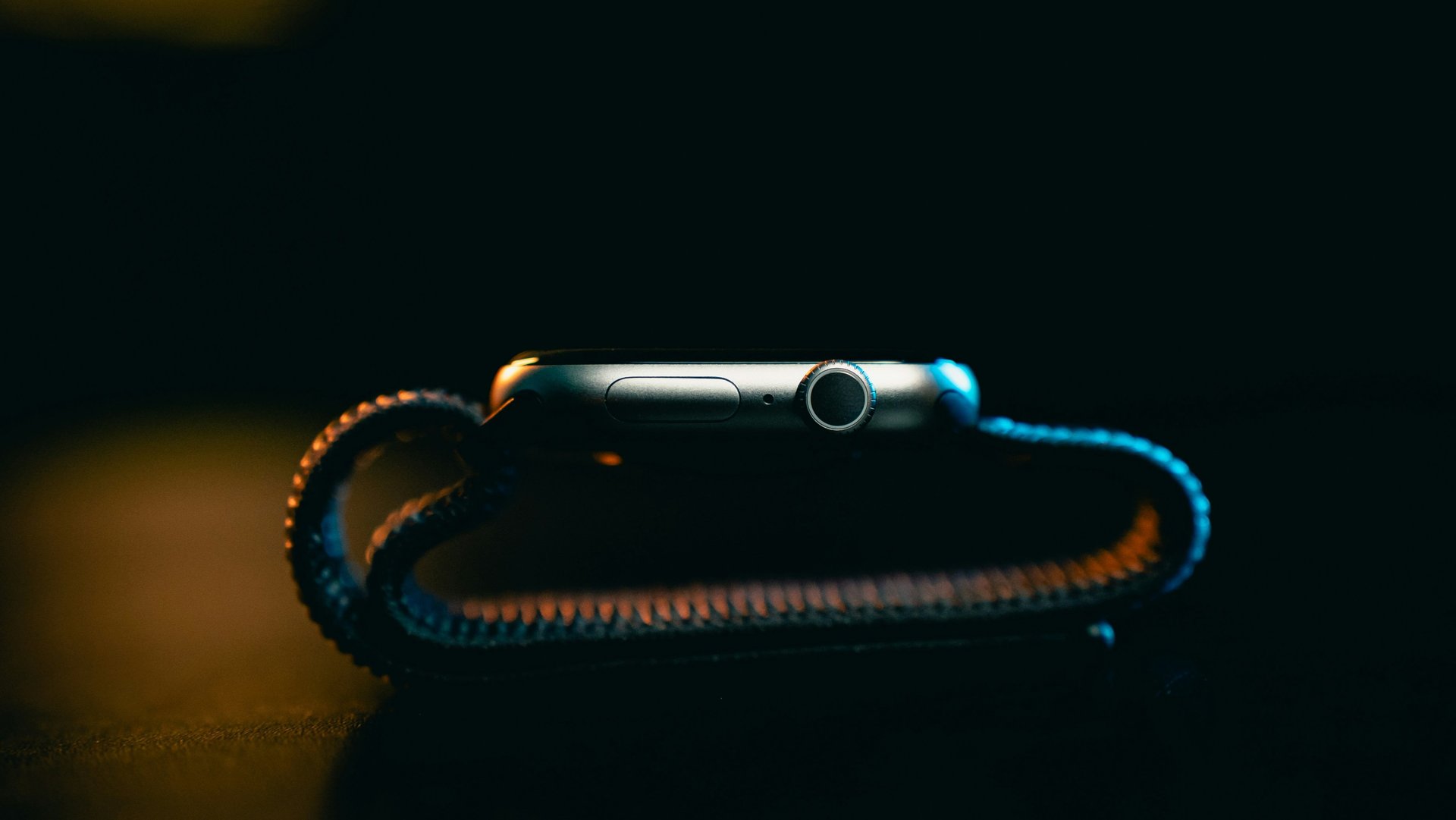
1. Wearables Are Becoming Health Intelligence Hubs
Gone are the days when wearables only counted steps. Modern devices track heart rate variability, sleep quality, stress, recovery, and even metabolic indicators — shifting the focus from simple metrics to deep physiological insights. This broader scope positions wearables as comprehensive health tools, not just fitness trackers. (wearablefitnesstech.com)
What’s new for 2026:
Devices now support continuous health monitoring for preventive care.
Advanced sensors and AI interpret data into actionable recommendations.
Wearables help users manage stress, sleep, and overall readiness — not just exercise. (wearablefitnesstech.com)
2. AI Delivers Personalized Fitness Coaching
Artificial intelligence is at the heart of the trend — transforming raw biometric data from wearables into dynamic coaching guidance. Rather than following generic plans, users receive tailored workout suggestions, recovery advice, nutrition tips, and behavior nudges based on ongoing patterns in their data. (OneDayMD)
Examples include:
Generative AI models that craft customized wellness plans based on your physiology. (OneDayMD)
Platforms that adjust workouts as your body responds — similar to a virtual personal trainer. (The Be Kind People Project)
3. Adaptive Training in Real Time
With AI’s help, fitness plans are no longer static schedules. They adapt instantly using live metrics, such as fatigue levels, sleep data, and stress response. This leads to safer, more effective workouts and reduces the risk of overtraining. (The Be Kind People Project)
This real-time adaptability is a game changer for:
Beginners who need guidance and motivation
Seasoned athletes pursuing performance gains
Anyone with busy lives who needs efficient, personalized plans
4. Major Brands Are Embedding AI Into Everyday Fitness Tech
Big players in the wearable space are integrating AI coaching features directly into their ecosystems. For example, Fitbit’s app is being redesigned to include an AI-powered personal health coach that uses user data to customize fitness and recovery advice around your life. (WIRED)
Similarly, features like voice-guided AI coaching are appearing on devices such as the Apple Watch — providing real-time workout feedback while you train. (The Times of India)
5. Hyper-Personalization Is the New Standard
In 2026, the one-size-fits-all approach to exercise is officially outdated. AI and wearable data pave the way for hyper-personalized fitness plans that take your unique body, history, and lifestyle into account. (The Be Kind People Project)
This can include:
Custom pacing and recovery pacing
Tailored training volume and intensity
Sleep-based workout adjustment
Stress-adaptive schedules
6. Wearables Fuel Behavior Change — Not Just Tracking
The biggest strength of AI-powered wearables is that they translate data into better decisions. Instead of overwhelming users with numbers, they provide insights and behavior nudges that help people stay consistent, improve habits, and reach goals more reliably. (OneDayMD)
This “digital coach” role is proving especially valuable as people seek long-term health improvements rather than short-term fitness goals.
7. Trends Driving Market Growth
Market data shows wearables remain a powerhouse in fitness technology, with high adoption rates and increasing integration into fitness platforms and coaching services — further solidifying their role as essential workout companions in 2026. (Gitnux)
8. Challenges and Considerations
While wearable + AI fitness coaching is promising, users should be aware of potential pitfalls:
Data interpretation: Misreading physiological signals can lead to misinformed decisions if AI guidance lacks context. (www.ndtv.com)
Anxiety risk: Continuous monitoring may trigger health stress or hyper-vigilance for some individuals. (www.ndtv.com)
Successful adoption depends on balancing data insights with realistic goals and user education.
Conclusion: A Smarter, More Personal Fitness Future
The rise of wearable tech and AI fitness coaching in 2026 is more than a trend — it’s a paradigm shift. These innovations are making fitness smarter, more adaptive, and deeply personalized than ever before. Whether you’re just starting your fitness journey or chasing new performance heights, these technologies provide tools that evolve with you — not against you.
Contact
Questions? Reach out anytime, we're here to help.
© 2025. All rights reserved.

