Vaccine Hesitancy and Misinformation: Public Health Risks
Learn how vaccine hesitancy and misinformation affect public health, vaccination rates, and disease prevention, supported by scientific research.
3/13/20264 min read
Vaccine Hesitancy and Misinformation
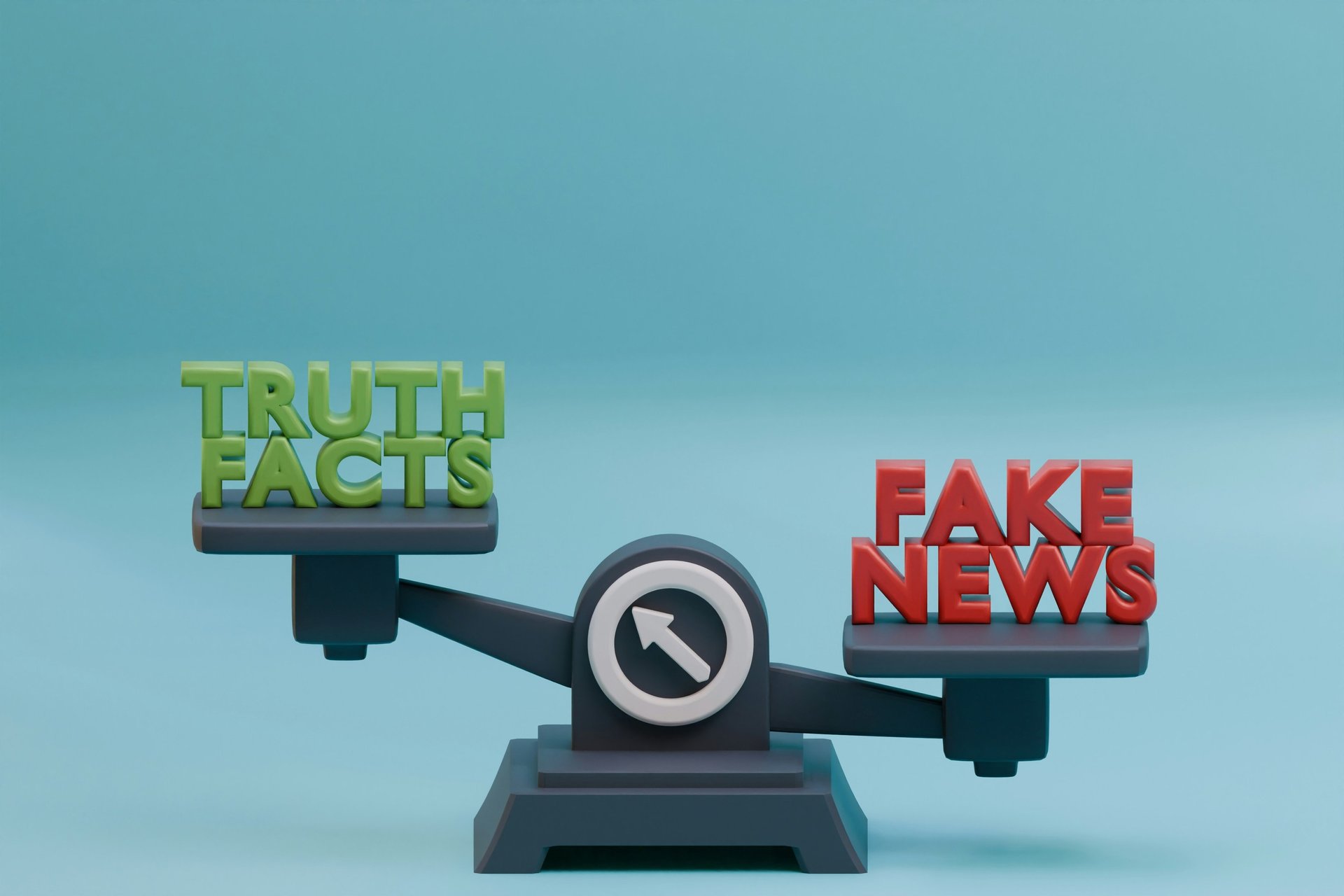
Vaccine hesitancy has become one of the most significant challenges facing modern public health systems. Although vaccines are among the most effective tools for preventing infectious diseases, misinformation and mistrust have led some individuals to delay or refuse vaccination.
The rise of social media and online information platforms has amplified the spread of inaccurate claims about vaccine safety and effectiveness. During the COVID-19 pandemic, misinformation about vaccines spread rapidly across digital networks, influencing public attitudes and vaccination decisions worldwide.
Understanding why vaccine hesitancy occurs and how misinformation affects public health is essential for improving immunization rates and protecting communities from preventable diseases.
In this article, we examine the causes of vaccine hesitancy, the impact of misinformation, and strategies that health organizations are using to rebuild public trust in vaccination programs.
What Is Vaccine Hesitancy?
Vaccine hesitancy refers to the delay in acceptance or refusal of vaccines despite the availability of vaccination services.
The World Health Organization identified vaccine hesitancy as one of the top global health threats because it can lead to outbreaks of preventable diseases.
Factors influencing vaccine hesitancy include:
Misinformation about vaccine safety
Lack of trust in healthcare systems
Cultural or religious beliefs
Concerns about side effects
Political and social influences
These factors can reduce vaccination rates and weaken herd immunity, increasing the risk of disease outbreaks.
The Role of Misinformation in Vaccine Hesitancy
Misinformation plays a central role in shaping public perceptions about vaccine safety and effectiveness.
False claims about vaccines often spread quickly online, particularly through social media platforms where sensational content can gain widespread attention.
Common forms of vaccine misinformation include:
Claims that vaccines cause chronic diseases
Misleading interpretations of scientific studies
Conspiracy theories about pharmaceutical companies
Exaggerated reports of vaccine side effects
Research from the Centers for Disease Control and Prevention shows that exposure to misinformation can significantly reduce public willingness to receive a vaccine.
Why Vaccines Are Essential for Public Health
Vaccines have been one of the most successful medical innovations in history. They protect individuals while also reducing disease transmission across populations.
For example, widespread vaccination campaigns have drastically reduced diseases such as:
Polio
Measles
Smallpox
In fact, global vaccination efforts led to the complete eradication of Smallpox, a disease that once caused millions of deaths worldwide.
According to the World Health Organization, vaccines prevent 4–5 million deaths every year by protecting people from infectious diseases.
How Vaccine Hesitancy Affects Public Health
When vaccine uptake declines, communities become more vulnerable to disease outbreaks.
Several health risks associated with vaccine hesitancy include:
Reduced Herd Immunity
Herd immunity occurs when a large portion of a population becomes immune to a disease, limiting its spread.
If too many people refuse a vaccine, herd immunity weakens, increasing the likelihood of outbreaks.
Resurgence of Preventable Diseases
In recent years, several countries have experienced renewed outbreaks of diseases previously under control due to declining vaccine coverage.
For example, outbreaks of Measles have occurred in regions where vaccination rates fell below recommended levels.
Strain on Healthcare Systems
Disease outbreaks caused by low vaccine coverage can place significant pressure on hospitals and healthcare resources.
Preventing infections through vaccination is often far more efficient than treating widespread illness.
The Influence of Social Media
Digital platforms have become a major source of health information for many individuals. While they provide valuable access to knowledge, they also enable misinformation to spread rapidly.
Studies published in journals such as The Lancet suggest that misleading online content can significantly influence attitudes toward vaccine safety.
Algorithms that prioritize engaging content may inadvertently amplify misinformation, making it more visible to users.
This phenomenon highlights the need for stronger digital health literacy and responsible information sharing.
Strategies to Combat Vaccine Misinformation
Public health organizations are implementing several strategies to address misinformation and improve vaccine confidence.
Public Education Campaigns
Educational campaigns help provide accurate information about vaccine safety, effectiveness, and benefits.
These initiatives often involve healthcare professionals, community leaders, and scientists communicating directly with the public.
Transparent Scientific Communication
Clear and transparent communication about how vaccines are developed and tested can help build trust.
Organizations such as the World Health Organization and Centers for Disease Control and Prevention publish detailed information explaining vaccine safety monitoring.
Strengthening Healthcare Provider Relationships
Healthcare professionals are among the most trusted sources of medical information. When doctors discuss vaccination with patients, they can address concerns and provide evidence-based guidance.
Improving Digital Health Literacy
Teaching people how to evaluate online health information can help reduce the impact of misinformation.
Digital literacy programs encourage individuals to verify sources and rely on credible scientific institutions.
The Future of Vaccine Confidence
Building long-term trust in vaccination programs requires collaboration between governments, scientists, healthcare providers, and communities.
Future strategies may include:
Improved communication from health authorities
Partnerships with social media platforms
Greater public involvement in health decision-making
Strengthening trust will be essential to ensure that vaccine programs continue to protect populations from infectious diseases.
Internal Reading Suggestions
For more insights into public health and medical innovation, explore additional articles on HealthInteligence.com:
Read our article about pandemic preparedness strategies
Explore our guide to gene editing therapies
Learn more about predictive analytics in hospital systems
These resources provide science-based perspectives on emerging health challenges.
Frequently Asked Questions (FAQ)
What is vaccine hesitancy?
Vaccine hesitancy refers to the delay or refusal to receive vaccines despite their availability and proven effectiveness.
Why do people hesitate to take vaccines?
Common reasons include concerns about vaccine safety, exposure to misinformation, mistrust in institutions, and cultural or social influences.
How does misinformation affect vaccine uptake?
Misinformation can create fear or confusion about vaccine safety, leading individuals to delay or avoid vaccination.
Why are vaccines important for public health?
Vaccines protect individuals from infectious diseases and contribute to herd immunity, reducing the spread of illnesses across communities.
Conclusion
Vaccine hesitancy and misinformation represent major challenges for modern healthcare systems. Despite overwhelming scientific evidence supporting vaccine safety and effectiveness, misinformation can undermine public trust and reduce vaccination rates.
Addressing this issue requires clear communication, public education, and collaboration between healthcare professionals and communities.
By strengthening public understanding of vaccines and promoting accurate information, societies can protect themselves against preventable diseases and ensure healthier futures.
References
World Health Organization – Vaccine hesitancy research
https://www.who.intCenters for Disease Control and Prevention – Vaccine safety information
https://www.cdc.govThe Lancet – Studies on vaccine misinformation
https://www.thelancet.comUNICEF – Global vaccination statistics
https://www.unicef.org
✅ Explore More Health Insights
Stay informed about the latest health research, public health challenges, and medical innovations by visiting HealthInteligence.com. Discover evidence-based articles designed to help you understand the science behind better health.
Contact
Questions? Reach out anytime, we're here to help.
© 2025. All rights reserved.

