Today’s Top Medical Trends Worldwide You Need to Know (2026)
In 2026, medical science and healthcare delivery are evolving faster than ever. From cutting-edge technologies to rising global health costs and personalized care breakthroughs, these trends are shaping the future of medicine around the world. Understanding them is essential for healthcare professionals, policymakers, investors, and patients alike.
1/27/20262 min read

1. Artificial Intelligence Revolutionizes Medical Care
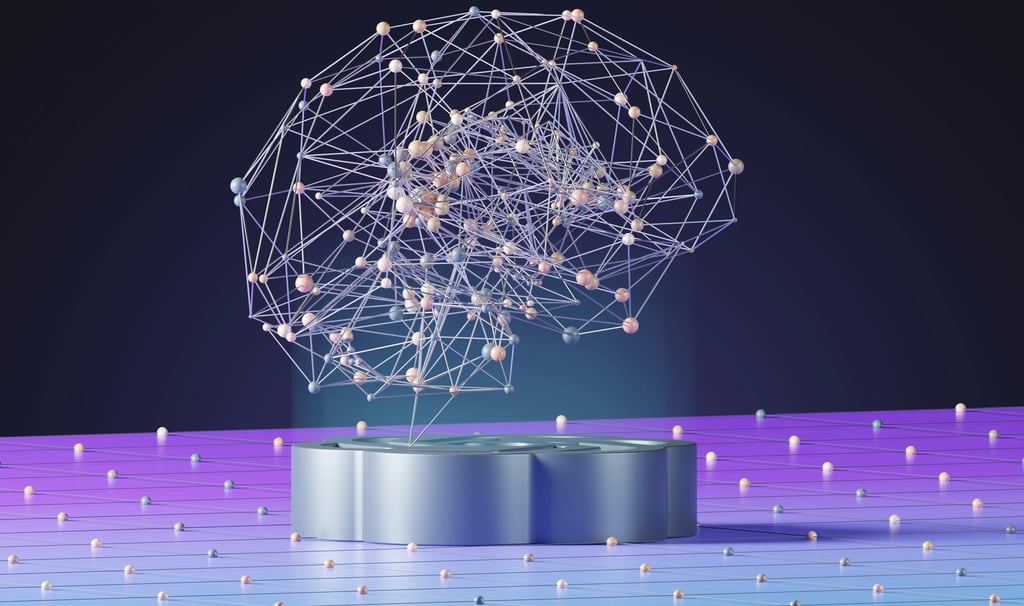
Artificial intelligence (AI) has moved beyond experimentation — it’s now a core force transforming healthcare systems globally. AI tools are increasingly used for early disease detection, clinical decision support, and healthcare operations automation, making care more efficient and accurate. By improving diagnostics and reducing human error, AI is elevating patient outcomes and optimizing workloads for medical teams. (idaireland.kr)
💡 Example: AI algorithms can detect subtle signs of disease in medical images faster than traditional methods, enabling earlier treatment and better prognosis. (Fortunesoftit)
2. Wearable Health Tech & Real-Time Monitoring
Wearable health devices — such as smartwatches and continuous glucose monitors — are no longer just lifestyle gadgets. They’re medical tools that provide real-time monitoring of vital signs like heart rate, glucose levels, sleep patterns, and respiratory metrics. This trend empowers users to take control of their health and provides clinicians with valuable data for preventative care. (idaireland.kr)
3. Personalized & Precision Medicine Gains Traction
Treatments tailored to an individual’s genetic profile and health data are becoming mainstream. Techniques like gene editing (CRISPR) and precision therapeutics are reshaping how complex diseases are treated — from rare genetic disorders to cancer — offering more effective results with fewer side effects. (idaireland.kr)
4. Robotics & Minimally Invasive Procedures
Robotic technologies are expanding the possibilities of surgical care. Robots assist surgeons with high precision and control, lowering patient recovery times and reducing the risk of complications. These technologies are also making minimally invasive procedures more accessible and successful. (idaireland.kr)
5. Hybrid Care & Telehealth Become Standard
What started as a pandemic-era necessity is now an enduring model: hybrid healthcare systems that combine virtual telehealth visits with in-person care. Remote monitoring and teleconsultations increase access for rural populations, reduce healthcare costs, and improve continuity of care. (University of Central Florida)
6. Healthcare Digitalization & Data Integration
Healthcare systems are moving toward fully integrated digital records, secure data exchanges, and predictive analytics platforms. Examples include blockchain-based health data systems and advanced hospital information networks that enhance both efficiency and privacy. (Gart)
7. Rising Global Healthcare Costs
One persistent trend is the rise in medical costs worldwide. Surveys of health insurers project that global medical cost growth will continue in 2026, with advanced technologies and increased utilization driving expenses upward. (WTW)
8. Personalized Vaccines & Infectious Disease Innovation
The success of mRNA vaccines during COVID-19 has accelerated vaccine innovation for other diseases, including influenza, RSV, and emerging infectious threats. Experts predict that advancements in vaccine development — particularly needle-free delivery and mucosal targeting — could improve global immunization strategies. (Reddit)
9. Expansion of AI in Infection Detection
AI-enhanced systems for infection detection — including sepsis and respiratory diseases — are expected to grow rapidly. These tools help hospitals reduce readmissions and improve early intervention, elevating the quality of care. (Future Market Insights)
10. Preventive Health & Longevity Focus
Healthcare is shifting from reactive treatment to preventive care and longevity. This includes wellness programs, chronic disease management initiatives, and public health policies aimed at reducing risk factors before they become critical conditions. (World Economic Forum)
Conclusion: A Connected, Tech-Driven Medical Future
Today’s top medical trends reflect a shift towards data-driven, patient-centric, and innovation-rich healthcare. As technology like AI, wearable monitoring, and personalized medicine continues to mature, the global medical landscape will evolve toward more accessible, efficient, and effective care than ever before.
Staying informed about these trends can help you anticipate changes in health policy, clinical practice, and patient expectations around the world.
Contact
Questions? Reach out anytime, we're here to help.
© 2025. All rights reserved.

