This Breakthrough Could Change How Cancer Is Treated Forever
A Major Leap in Cancer Cell Therapy Scientists have solved a longstanding challenge in cancer immunotherapy that could dramatically change how cancer is treated worldwide. For the first time, researchers have developed a reliable method to produce a type of immune cell key to effective cell-based therapies — bringing “off-the-shelf” cancer treatments much closer to reality. Unlike traditional cancer treatments, cell therapies use patients’ own immune cells — reprogrammed to seek and destroy cancer. These living drugs have shown remarkable results in blood cancers, but they’ve remained expensive, time-intensive, and hard to scale because manufacturing relies on individualized cell collections.
1/20/20262 min read
How This Breakthrough Solves the Production Problem
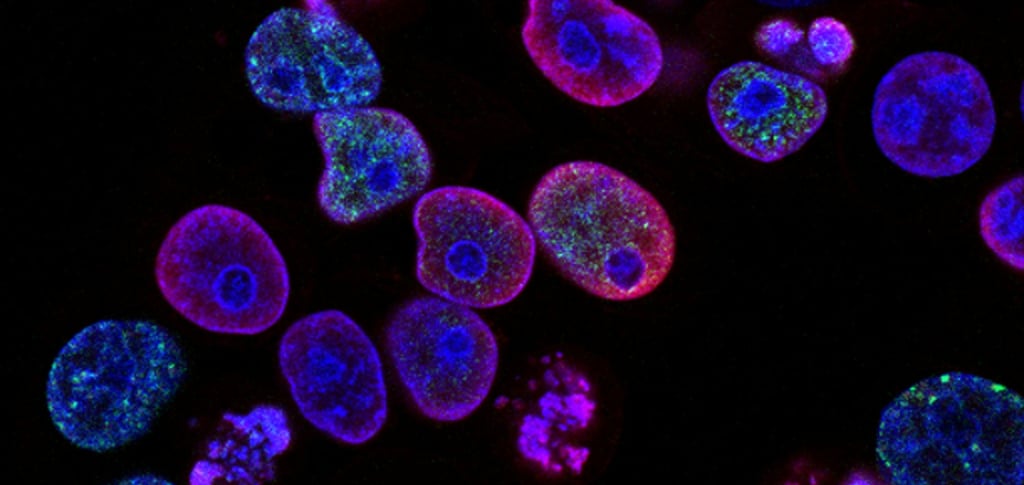
The recent research, led by scientists at the University of British Columbia, overcame a major roadblock: producing helper T cells consistently from stem cells in the lab. These cells coordinate the immune response and are essential partners to killer T cells in destroying tumors. (ScienceDaily)
By identifying and controlling the precise signals that direct stem cells to become helper T cells, researchers can now generate these immune cells at scale and with greater consistency — a critical step toward affordable, widely available cancer immunotherapies. (ScienceDaily)
“This is a major step forward in our ability to develop scalable and affordable immune cell therapies,” said Dr. Peter Zandstra, co-senior author of the study. (ScienceDaily)
Why This Matters: Off-the-Shelf Treatments
Today’s most powerful cell therapies — like CAR-T treatments — often require weeks of preparation tailored to each patient. This can delay treatment and inflate costs. But producing immune cells from renewable stem cell sources means:
🧬 Faster treatment availability after diagnosis
💰 Lower manufacturing and delivery costs
🌍 Broader accessibility worldwide
🧪 Greater potential for treating solid tumors and complex cancers
Experts believe that controlling the balance between helper and killer T cells could also boost effectiveness and reduce treatment resistance often seen in solid tumors. (ScienceDaily)
Beyond This Breakthrough: The Future of Cancer Immunotherapy
This development is part of a larger wave of advances in cancer treatment:
AI-designed proteins are speeding up immune cell production and customization. (hms.harvard.edu)
CAR-NK cells — engineered natural killer cells — offer another “off-the-shelf” path for immunotherapy. (ScienceDaily)
Research continues to address T-cell exhaustion and other therapy limitations. (Nature)
Together, these innovations are reshaping the landscape of oncology, moving away from traditional chemotherapy toward precision, immune-based treatments that harness the body’s own defenses.
What This Means for Patients
Although this breakthrough is still in the research phase and will require clinical testing, its implications are profound:
Patients may soon have access to pre-manufactured immunotherapies that are more effective and easier to administer.
Health systems could lower costs for cancer care by reducing the need for individualized cell modification.
Researchers can expand these methods to other diseases such as autoimmune disorders and infectious diseases.
In Summary
This scientific milestone addresses a key limitation in cancer cell therapy production — a step that may transform how cancer is treated globally. With scalable production of essential immune cells now possible, the field of cancer immunotherapy is one leap closer to safe, affordable, and widely accessible treatments for all patients.
Sources:
🔗 Scientists solve a major roadblock holding back cancer cell therapy — ScienceDaily (Jan 20, 2026) (ScienceDaily)
🔗 MIT’s “stealth” immune cells could change cancer treatment forever — ScienceDaily (Oct 11, 2025) (ScienceDaily)
🔗 AI/AIDS Designed Proteins Can Boost Production of T Cells — Harvard Medical School News (hms.harvard.edu)
Contact
Questions? Reach out anytime, we're here to help.
© 2025. All rights reserved.

