Protein for Health & Longevity: Why It’s Essential in 2026
Protein is more than a fitness staple — it’s a cornerstone of health, aging well, and disease prevention. In 2026, research confirms that adequate, high-quality protein intake supports muscle maintenance, metabolic health, immunity, and longevity. From plant-based sources to sustainable animal proteins, understanding how to optimize protein in your diet is crucial for healthy aging and long-term wellness.
1/8/20262 min read
Why Protein Matters for Health
Protein is composed of amino acids, the building blocks of the body. It’s essential for:
Muscle repair and maintenance (nih.gov)
Hormone and enzyme production
Immune system support (frontiersin.org)
Bone health and tissue regeneration
Satiety and metabolic regulation
As people age, muscle loss (sarcopenia) becomes a significant concern. Protein intake plays a key role in preserving muscle mass, strength, and functional independence — critical factors for longevity and quality of life.
Protein Recommendations for Longevity
Current evidence suggests:
Older adults may need 1.0–1.2 g of protein per kg of body weight per day to maintain muscle and metabolic health (nih.gov)
Athletes or highly active individuals may benefit from 1.2–2.0 g/kg/day to support performance and recovery
Protein should be distributed evenly across meals for optimal muscle protein synthesis
Best Sources of Protein for Longevity
Animal-Based Proteins
Lean meats (chicken, turkey)
Fish rich in omega-3s (salmon, sardines) — supports heart and cognitive health (nih.gov)
Eggs — nutrient-dense and high in essential amino acids
Low-fat dairy — provides protein and calcium for bone health
Plant-Based Proteins
Legumes (lentils, chickpeas, beans)
Soy products (tofu, tempeh)
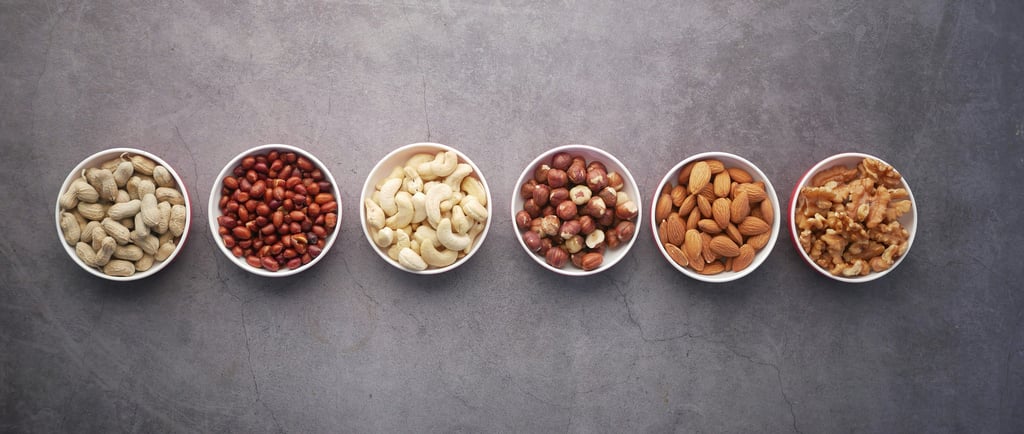
Nuts and seeds — provide protein and healthy fats
Whole grains — add moderate protein and fiber
Combining plant sources ensures all essential amino acids are obtained, supporting muscle health and longevity. (euromonitor.com)
Protein Timing & Lifestyle Tips
Spread protein across meals: 20–30 g per meal optimizes muscle synthesis (nih.gov)
Pair with resistance training: Strength exercises amplify the benefits of protein for muscle retention
Include high-quality protein post-workout to support recovery
Adjust intake with age: Older adults require more protein per meal due to reduced anabolic response
Emerging Trends in Protein for Health & Longevity
Plant-forward & sustainable proteins: Consumers are choosing pea, soy, and other plant-based proteins for health and environmental benefits (euromonitor.com)
Protein-enriched foods and beverages: Yogurts, bars, shakes, and fortified snacks are increasingly tailored to health-conscious and aging populations
Functional protein blends: Some products now combine protein with prebiotics, vitamins, or bioactives to enhance gut and immune health (nutritioninsight.com)
Health Benefits Backed by Research
Muscle Preservation: Higher protein intake reduces sarcopenia risk and maintains strength in older adults (nih.gov)
Metabolic Health: Supports glucose regulation, satiety, and healthy weight maintenance (frontiersin.org)
Bone Health: Adequate protein intake improves calcium absorption and bone density
Longevity: Studies link higher protein diets — particularly from high-quality sources — to longer healthspan and reduced frailty (euromonitor.com)
Conclusion
Protein is a vital nutrient for health and longevity. By choosing high-quality sources, balancing intake across meals, and pairing protein with strength training, you can support muscle, metabolic, and immune health, reduce age-related decline, and promote a longer, healthier life.
In 2026, protein is not just for fitness enthusiasts — it’s a fundamental component of healthy aging and disease prevention.
Contact
Questions? Reach out anytime, we're here to help.
© 2025. All rights reserved.

