Organic cotton & chemical-free fabrics
The clean beauty movement has officially expanded into clean fashion — and at the center of it is organic cotton and chemical-free fabrics. As people become more aware of what touches their skin (and how clothing impacts health), organic textiles are one of the fastest-growing trends in wellness, sustainability, and conscious fashion. Whether you want to reduce skin irritation, avoid harsh chemicals, or support eco-friendly brands, choosing organic cotton and non-toxic fabrics is a powerful place to start.
12/4/20252 min read
🧵 What Makes Organic Cotton Different?
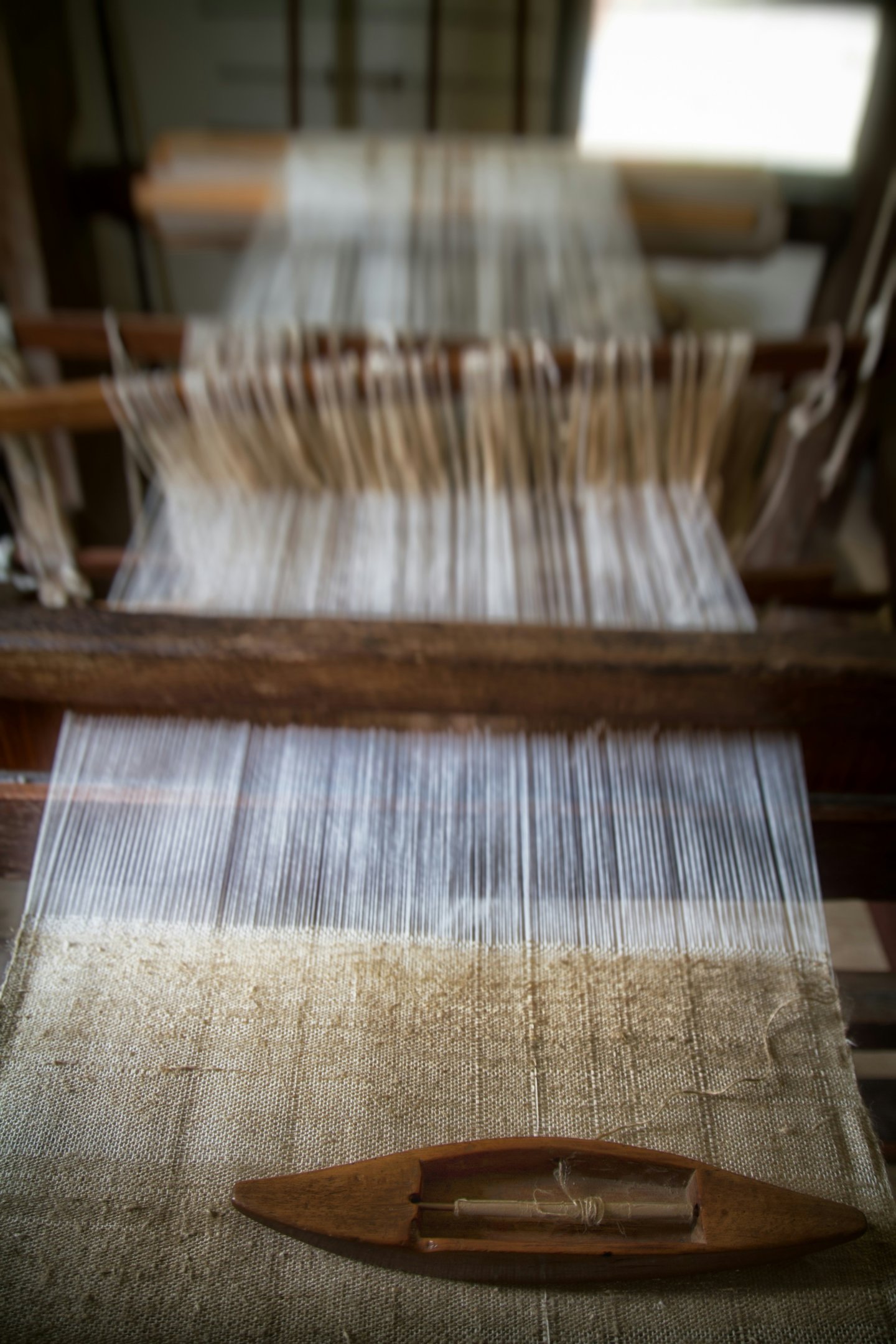
Organic cotton is grown without harmful pesticides, synthetic fertilizers, or GMOs, making it safer for your skin and better for the planet.
Compared to conventional cotton, organic cotton:
Avoids toxic chemicals entirely
Uses less water
Produces less pollution
Protects farm workers from chemical exposure
Feels softer and more breathable on the skin
🌱 Why Chemical-Free Fabrics Matter for Skin Health
Your skin absorbs what it comes into contact with — including harsh chemicals used in fabric production.
Many conventional clothes contain:
Formaldehyde
Flame retardants
Pesticide residue
Heavy metals
Synthetic dyes
Plastics like polyester + microfibers
These can irritate the skin, disrupt hormones, and trigger inflammation.
Organic cotton and chemical-free fabrics solve this with natural, breathable, toxin-free fibers.
⭐ Benefits of Organic Cotton & Chemical-Free Fabrics
1. Safer for Sensitive Skin & Allergies
People with eczema, dermatitis, or easily irritated skin often experience relief when switching to organic fabrics.
2. No Chemicals Touching Your Body
Organic textiles skip the pesticides, chemical dyes, and irritants found in fast fashion.
3. Breathable & Temperature-Regulating
Organic cotton and natural fibers help regulate heat and moisture better than synthetics.
4. More Durable & Softer Over Time
Without harsh chemical treatments, organic cotton fibers remain strong, soft, and long-lasting.
5. Better for the Environment
Choosing organic reduces:
water waste
chemical runoff
soil degradation
carbon footprint
Plus, many organic brands use ethical labor practices.
🧩 Types of Chemical-Free, Eco-Friendly Fabrics
1. Organic Cotton
The most popular non-toxic fabric — safe for babies, sensitive skin, bedding, and everyday wear.
2. Hemp
Strong, antibacterial, breathable, and one of the lowest-impact crops.
3. Linen (Flax)
Naturally cooling, moisture-wicking, and chemical-free.
4. Bamboo (mechanically processed)
Ultra-soft, breathable, and hypoallergenic.
(Note: Avoid chemically processed bamboo rayon.)
5. Tencel / Lyocell
Eco-friendly fibers made from sustainably processed wood pulp.
6. Wool
Natural, biodegradable, temperature-regulating (choose untreated wool).
🛍 How to Shop for Organic & Non-Toxic Clothing
✔ Look for Certifications:
GOTS (Global Organic Textile Standard) — gold standard
OEKO-TEX® Standard 100 — tested for harmful chemicals
Fair Trade — ethical production
Bluesign® — clean manufacturing
✔ Choose undyed or naturally dyed fabrics
Better for your skin and the environment.
✔ Avoid synthetic blends
Polyester, nylon, acrylic, and spandex hold more chemicals and shed microplastics.
✔ Read the fabric label
Look for 100% organic cotton, hemp, linen, or certified bamboo.
🌿 Why Organic Fabrics Are Trending in 2025
Search volume is skyrocketing for terms like:
“organic cotton clothing”
“chemical-free fabrics”
“non-toxic fashion”
“clean clothing brands”
Consumers want fewer toxins, more comfort, and healthier wardrobes.
Even major brands are now introducing organic lines — proving this trend isn’t going anywhere.
✨ Final Thoughts
Switching to organic cotton and chemical-free fabrics is one of the easiest ways to protect your skin, support your health, and reduce your environmental impact. These fabrics are gentle, breathable, durable, and free from the harmful chemicals hidden in most everyday clothing.
Clean fashion isn’t just a trend — it’s a lifestyle shift toward healthier living, inside and out.
Contact
Questions? Reach out anytime, we're here to help.
© 2025. All rights reserved.

