Oregon Confirms First Measles Cases of 2026 — Public Urged to Check Vaccinations
January 2026 | Oregon, USA — Oregon health officials have confirmed the state’s first measles cases of 2026, prompting renewed public health advisories and urgent calls for residents to verify their vaccination status. Authorities warn that measles is extremely contagious and that maintaining high immunization coverage is critical to preventing wider community spread. The announcement has raised concerns among public health experts, especially as measles outbreaks have increased nationwide in recent years due to declining vaccination rates in some communities.
1/12/20262 min read
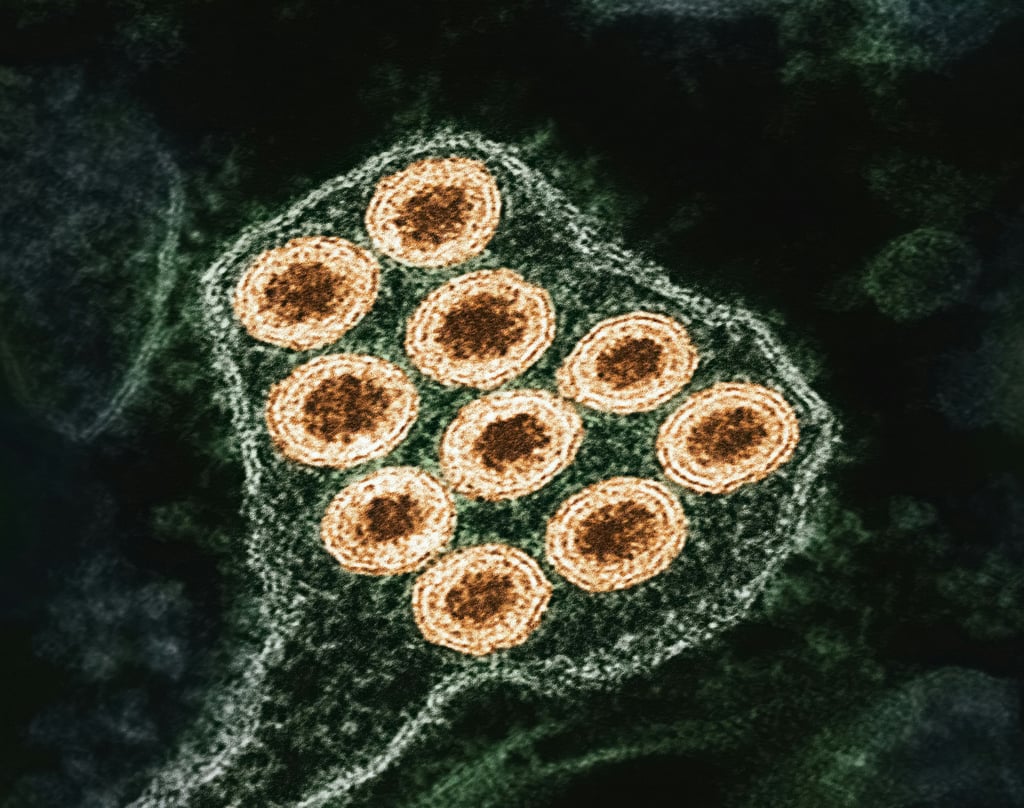
📍 What We Know About the Oregon Measles Cases
According to state and local health departments, the confirmed measles cases involve individuals who were not fully vaccinated. Contact tracing efforts are underway to identify potential exposures, and public health officials are notifying people who may have been in affected locations during the infectious period.
Measles can spread through coughing, sneezing, or simply breathing shared air. The virus can remain airborne for up to two hours after an infected person leaves a space, making public settings particularly high risk.
⚠️ Why Health Officials Are Sounding the Alarm
Measles is not a mild childhood illness. It can cause serious complications, including:
Pneumonia
Brain swelling (encephalitis)
Permanent hearing loss
Death, especially in young children and immunocompromised individuals
Because measles is one of the most contagious viruses known, even a single case can trigger outbreaks if vaccination coverage drops below protective levels.
Health officials emphasize that early cases — like those reported in Oregon — are often a warning sign that broader transmission could follow without swift action.
💉 Vaccination Remains the Best Protection
Public health leaders are strongly urging Oregonians to review their immunization records, particularly for the measles, mumps, and rubella (MMR) vaccine.
Key vaccination guidance:
Two doses of the MMR vaccine provide about 97% protection against measles
One dose provides approximately 93% protection
Adults unsure of their vaccination status should consult their healthcare provider
People born before 1957 are generally considered immune due to likely prior exposure, though healthcare workers may still need documented immunity.
👨👩👧 Who Is Most at Risk
Certain populations face higher risk of severe measles complications, including:
Infants too young to be vaccinated
Unvaccinated children and adults
Pregnant individuals
People with weakened immune systems
Health officials are especially concerned about exposure in schools, childcare centers, healthcare facilities, and public transportation hubs.
🛡️ What To Do If You May Have Been Exposed
Oregon health authorities recommend the following steps if you believe you were exposed:
Monitor symptoms for up to 21 days (fever, cough, runny nose, red eyes, rash)
Do not visit clinics or hospitals without calling ahead, to prevent spread
Check vaccination records and seek medical advice if unsure
Isolate immediately if symptoms develop
Early identification helps limit transmission and protects vulnerable community members.
🧠 Measles and the Bigger Public Health Picture
The reappearance of measles cases highlights broader concerns about declining vaccination rates and misinformation surrounding immunizations. Public health experts stress that measles outbreaks are entirely preventable when vaccination coverage remains high.
Officials emphasize that immunization is not just a personal choice — it is a community responsibility that protects those who cannot be vaccinated for medical reasons.
📝 Final Takeaway
Oregon’s first measles cases of 2026 serve as a critical reminder that vaccine-preventable diseases can return quickly when immunity gaps emerge. Health officials urge residents to take immediate action by confirming vaccination status, staying informed, and following public health guidance.
Strong immunization coverage remains the most effective defense against measles outbreaks — protecting individuals, families, and communities alike.
🔗 Sources
Oregon Health Authority — Measles Case Updates and Immunization Guidance
https://www.oregon.gov/ohaCenters for Disease Control and Prevention (CDC) — Measles (Rubeola): Prevention and Vaccination
https://www.cdc.gov/measles/index.htmlWorld Health Organization (WHO) — Measles Fact Sheet
https://www.who.int/news-room/fact-sheets/detail/measlesAmerican Academy of Pediatrics — Why Measles Vaccination Matters
https://www.healthychildren.org
Contact
Questions? Reach out anytime, we're here to help.
© 2025. All rights reserved.

