Omega-3 Supplements: Best Sources for Brain & Heart Health
Omega-3 fatty acids are among the most researched nutrients in the world — and for good reason. They play a major role in brain function, heart health, inflammation control, and overall wellness. But with so many omega-3 supplements on the market—fish oil, krill oil, algae oil, and more—it can be hard to know which one is best. This SEO-friendly guide breaks down the top omega-3 sources, their benefits, and how to choose the right supplement for your health goals.
11/26/20252 min read
🔍 What Are Omega-3 Fatty Acids?
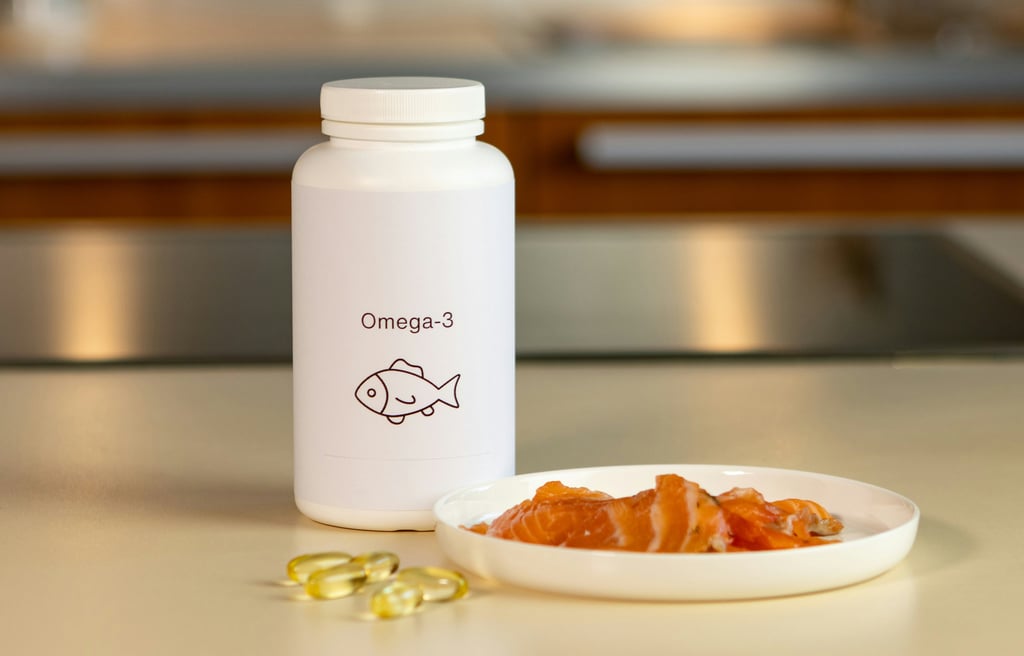
Omega-3s are essential fatty acids that your body cannot produce on its own. You must get them through food or supplements. The three most important types are:
EPA (Eicosapentaenoic Acid): Supports heart health and reduces inflammation
DHA (Docosahexaenoic Acid): Critical for brain function, memory, mood, and eye health
ALA (Alpha-Linolenic Acid): Plant-based omega-3 that converts into EPA/DHA in small amounts
For optimal health, most experts recommend focusing on EPA and DHA, which are found mainly in marine sources.
🧠❤️ Why Omega-3s Are Essential for Brain & Heart Health
⭐ Brain Benefits
Supports memory, focus, and cognitive clarity
Helps maintain healthy brain cell structure
May reduce symptoms of anxiety and depression
Supports long-term brain health as you age
⭐ Heart Benefits
Helps maintain healthy cholesterol levels
Supports normal blood pressure
Reduces inflammation that can harm the cardiovascular system
Helps maintain heart rhythm and vascular health
Omega-3s are one of the few supplements widely recommended by doctors, nutritionists, and researchers because of their extensive health benefits.
🥇 The Best Omega-3 Supplement Sources (Ranked)
Below are the most effective omega-3 sources, based on EPA/DHA content, absorption, and sustainability.
1. Fish Oil — Best Overall Omega-3 Source for Most People
Fish oil is the most popular and well-studied omega-3 supplement.
✔️ Benefits
High levels of EPA and DHA
Widely available and affordable
Supported by decades of research
Helps with joint health, brain clarity, and heart function
✔️ Best For
People who want maximum omega-3 benefits at the best cost
Improving heart health markers like triglycerides
Boosting cognitive and mood support
⚠️ Drawbacks
May cause fishy aftertaste
Quality varies by brand
Not suitable for strict vegetarians or vegans
2. Krill Oil — Best for Absorption & Anti-Inflammatory Support
Krill oil comes from tiny shrimp-like creatures and is known for its superior absorption.
✔️ Benefits
Contains omega-3s in phospholipid form, which may absorb better
Rich in astaxanthin, a powerful antioxidant
Smaller capsules = easier to swallow
✔️ Best For
People with inflammation or joint issues
Those who want fast absorption
Anyone who dislikes large fish oil capsules
⚠️ Drawbacks
More expensive
Lower EPA/DHA levels than fish oil
Not vegan-friendly
3. Algae Oil — Best VEGAN Omega-3 Source
Algae oil is a plant-based source of DHA (and sometimes EPA) extracted from marine algae.
✔️ Benefits
100% vegan and environmentally friendly
Pure and free from ocean contaminants
High in DHA — essential for brain health
✔️ Best For
Vegans and vegetarians
Pregnant women (DHA is crucial for fetal brain development)
People concerned about sustainability
⚠️ Drawbacks
Lower EPA levels unless blended
More expensive than fish oil
4. ALA Plant Sources (Flax, Chia, Walnuts) — Best for Daily Diet Boost
Plant-based seeds and nuts provide ALA, which the body converts to EPA/DHA at a low rate.
✔️ Benefits
High in fiber and antioxidants
Great for overall nutrition
Easy to add to meals
✔️ Best For
Improving general diet quality
People who want natural food-based omega-3s
⚠️ Drawbacks
Not enough EPA/DHA for therapeutic benefits
Should be combined with a marine or algae omega-3 for best results
🥼 How to Choose the Best Omega-3 Supplement
✔️ Look for these on the label:
EPA and DHA amounts per serving (higher = better)
Third-party testing (IFOS, USP, NSF)
Low oxidation and no fishy smell
Sustainably sourced ingredients
✔️ Ideal Daily Intake:
Most experts recommend:
250–500 mg EPA + DHA daily for general health
1,000–2,000 mg for heart or inflammation support
(Always follow your doctor’s advice.)
🍽️ Best Time to Take Omega-3 Supplements
Take omega-3s with meals, especially those containing fats.
This improves absorption and reduces any fishy aftertaste.
🧠✨ Final Takeaway: Which Omega-3 Supplement Is Right for You?
Choose Fish Oil → best overall for brain + heart results
Choose Krill Oil → best absorption and antioxidant support
Choose Algae Oil → best vegan-friendly, clean DHA source
Add Plant Sources → great daily nutrition boost
Omega-3 supplements are one of the easiest and most effective ways to support brain clarity, heart health, and long-term wellness — no matter your lifestyle.
Contact
Questions? Reach out anytime, we're here to help.
© 2025. All rights reserved.

