Nervous System Regulation: The Wellness Skill Everyone Will Talk About in 2026
For years, wellness focused on productivity, discipline, and pushing harder. In 2026, the conversation is shifting. The most valuable health skill isn’t doing more — it’s learning how to regulate your nervous system. Nervous system regulation is quickly becoming the foundation of modern wellness, influencing stress resilience, hormone balance, digestion, sleep, mental health, and even immune function. And unlike trends that come and go, this one is rooted in human biology.
1/2/20262 min read
What Is Nervous System Regulation?
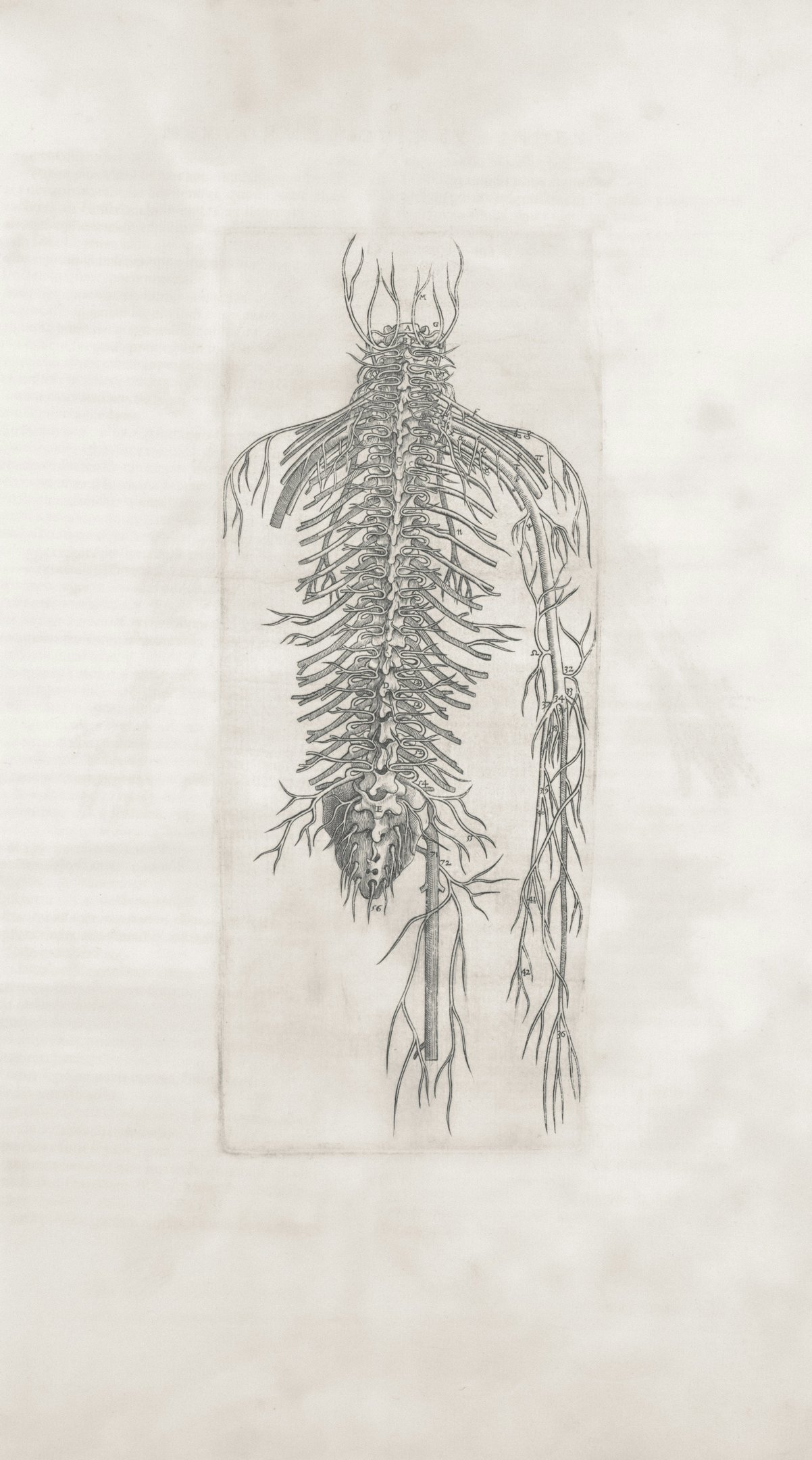
Nervous system regulation refers to the ability to move smoothly between states of activation and rest.
Your autonomic nervous system has two main branches:
Sympathetic (fight-or-flight)
Parasympathetic (rest-and-digest)
Chronic stress keeps many people stuck in sympathetic mode. Regulation helps restore balance, allowing the body to recover, repair, and function optimally.
Why Nervous System Regulation Is Trending in 2026
Several factors are driving this wellness shift:
Rising burnout and anxiety rates
Hormonal imbalances linked to chronic stress
Digestive and sleep disorders
Overstimulation from digital lifestyles
People are realizing that no diet or workout works if the nervous system is constantly overwhelmed.
The Nervous System Is the Control Center of Health
When the nervous system is regulated:
Cortisol levels stabilize
Digestion improves
Sleep deepens
Immune function strengthens
Emotional resilience increases
When it’s dysregulated, the body struggles to heal — even with “perfect” habits.
This is why nervous system work now underpins nutrition, fitness, and mental health strategies.
How Nervous System Regulation Supports Hormone Balance
Hormones respond directly to nervous system signals.
Chronic stress disrupts:
Cortisol rhythms
Insulin sensitivity
Thyroid function
Sex hormone balance
Regulation practices calm the stress response, allowing hormonal systems to rebalance naturally.
The Gut–Brain Connection Makes Regulation Essential
The gut and brain communicate through the vagus nerve.
When the nervous system is calm:
Digestion becomes more efficient
Nutrient absorption improves
Inflammation decreases
Gut-related symptoms ease
This explains why stress management alone isn’t enough — regulation restores communication.
Popular Nervous System Regulation Practices in 2026
Rather than extreme interventions, regulation focuses on simple, repeatable tools:
Breathwork and slow nasal breathing
Cold exposure and contrast therapy
Gentle somatic movement
Walking in nature
Nervous-system-friendly workouts
Consistent sleep and meal timing
These practices signal safety to the body, allowing healing to occur.
Why Regulation Beats Willpower-Based Wellness
Willpower fails when the nervous system is overwhelmed.
Regulation-based wellness:
Reduces burnout
Improves consistency
Makes healthy habits easier to maintain
Supports long-term behavior change
Calm becomes the catalyst for progress.
AI, Wearables & Nervous System Awareness
Wearables now track metrics linked to nervous system health, such as:
Heart rate variability (HRV)
Sleep cycles
Recovery readiness
These insights help individuals understand when to push — and when to rest.
Check our app : HelthIntelligence is an AI-powered health reset coach designed to help you start fresh without burning out. SIGN-UP
Mental Health Care Is Becoming Regulation-Based
In 2026, mental wellness is shifting from symptom suppression to nervous system support.
This includes:
Trauma-informed approaches
Somatic therapy
Mind–body integration
By addressing the root physiological response to stress, emotional health becomes more stable and sustainable.
Final Thoughts: Regulation Is the New Foundation of Wellness
Nervous system regulation isn’t a trend — it’s a skill.
In 2026, the most resilient, healthy individuals won’t be the ones doing the most. They’ll be the ones who know how to listen to their nervous system and respond with care.
Wellness is no longer about pushing through stress.
It’s about creating safety — inside the body.
Contact
Questions? Reach out anytime, we're here to help.
© 2025. All rights reserved.

