
Why NBA Players Get Injured More in Playoffs
Discover why NBA players get injured more in playoffs. Learn the science behind fatigue, workload, and recovery risks in high-intensity games.
4/20/20264 min read
Why NBA Players Get More Injured in the Playoffs (Science Explained)
Players Injury rates tend to rise during the most intense part of the basketball calendar—the playoffs. In elite competitions like the NBA, athletes push their bodies to the limit, often playing through fatigue, minor injuries, and extreme physical stress.
Understanding why Players Injury becomes more common during playoff series requires a deep dive into sports science, workload management, recovery limitations, and psychological pressure. This article breaks down the key factors behind increased injury risk—and what both athletes and everyday individuals can learn from it.
Why Players Injury Risk Increases in the Playoffs
The playoffs create a perfect storm for injuries due to:
Higher intensity gameplay
Increased minutes for star players
Short recovery windows
Accumulated fatigue from the regular season
According to research from the American Journal of Sports Medicine, fatigue-related injuries increase significantly during periods of congested schedules.
This makes Players Injury not just a possibility—but a statistical likelihood during intense playoff runs.
Accumulated Fatigue: The Silent Risk Factor
One of the biggest contributors to Players Injury is cumulative fatigue.
How fatigue impacts the body:
Slower reaction times
Reduced muscle coordination
Increased joint instability
Higher risk of muscle strains
By the time playoffs begin, players may have already played 82 regular-season games, not including travel and training loads.
A study published in the British Journal of Sports Medicine found that fatigued athletes are up to 70% more likely to suffer soft-tissue injuries.
Increased Workload and Playing Time
During playoffs, rotations tighten, and star players log heavier minutes.
For example, athletes like Kevin Durant and LeBron James often play 40+ minutes per game, compared to lower averages during the regular season.
Impact of increased workload:
Greater muscle stress
Reduced recovery capacity
Higher risk of overuse injuries
Research from the Journal of Athletic Training shows that sudden spikes in workload significantly increase injury risk.
Short Recovery Timelines Between Games
Playoff schedules often involve games every 48 hours, leaving limited time for recovery.
What happens during short recovery:
Incomplete muscle repair
Persistent inflammation
Energy depletion
As discussed in recovery science, muscles ideally need 48–72 hours to fully recover—time players simply don’t have during playoffs.
This mismatch directly contributes to rising Players Injury rates.
Physical Intensity and Contact Increase
Playoff basketball is more physical than regular-season play.
Key differences:
Harder defensive plays
Increased body contact
More aggressive rebounding
This leads to:
Higher risk of impact injuries
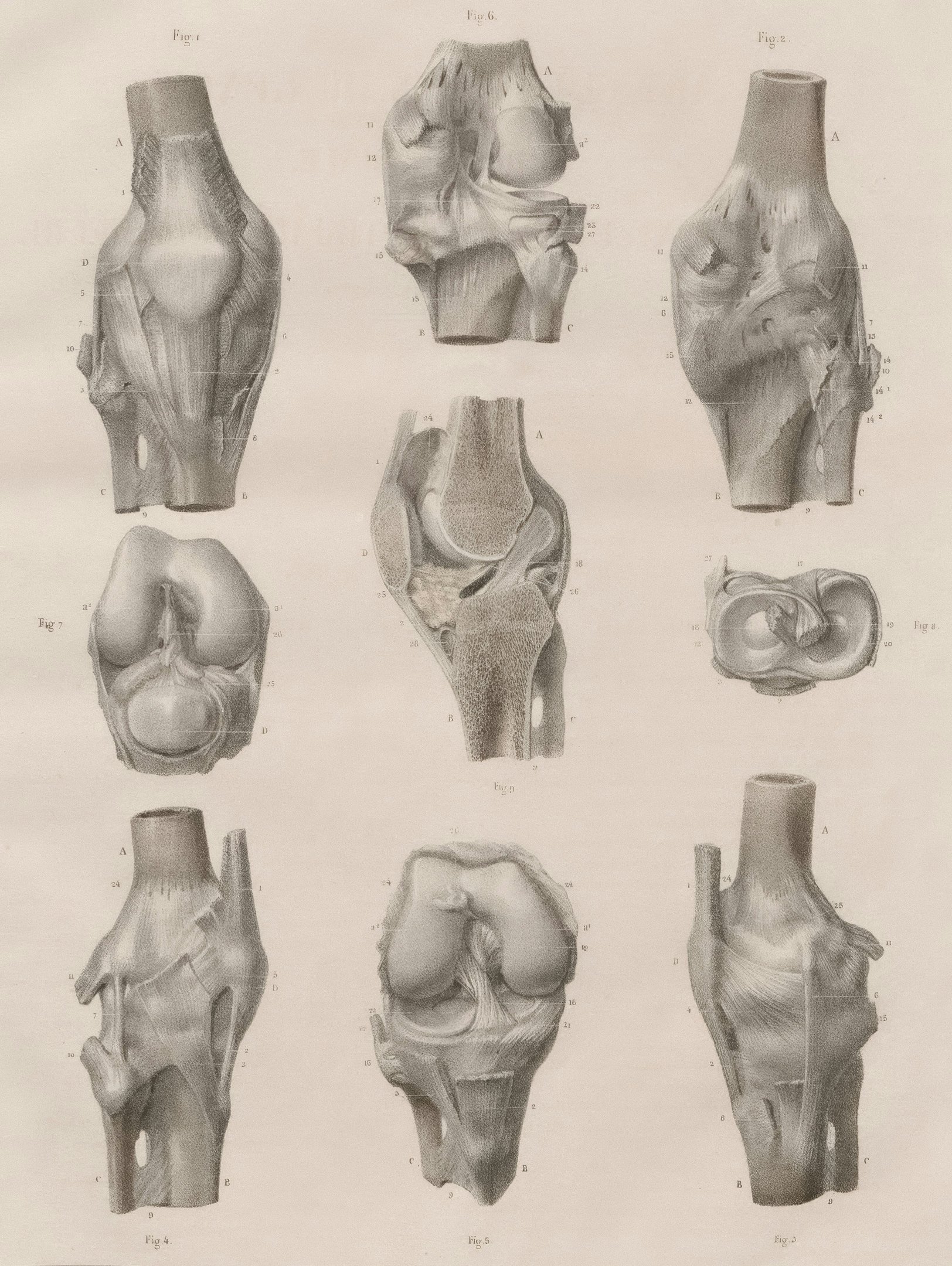
Joint stress (knees, ankles, shoulders)
Increased likelihood of collisions
The intensity alone makes Players Injury almost inevitable over a long series.
Mental Pressure and Its Physical Impact
Mental stress plays a surprisingly large role in injury risk.
Effects of psychological pressure:
Increased muscle tension
Reduced focus and decision-making
Higher likelihood of mistakes
According to the American Psychological Association, stress can impair motor control and increase injury risk.
Players performing under pressure—like Stephen Curry—must manage both mental and physical fatigue to stay healthy.
Common Playoff Injuries
Certain injuries are more prevalent during playoffs.
Common NBA Playoff Injuries
These injuries are closely tied to the factors driving Players Injury during high-intensity play.
Travel and Sleep Disruption
Travel during playoffs adds another layer of stress.
Key issues:
Jet lag
Poor sleep quality
Irregular schedules
Sleep is critical for recovery, and disruptions can:
Slow muscle repair
Increase fatigue
Reduce cognitive performance
The Journal of Clinical Sleep Medicine reports that sleep deprivation significantly increases injury risk in athletes.
Playing Through Injury: A Playoff Reality
Unlike the regular season, players are more likely to play through minor injuries during playoffs.
Why?
Higher stakes
Team dependence
Competitive mindset
While this can boost short-term performance, it increases the likelihood of worsening injuries.
This culture contributes significantly to rising Players Injury statistics.
The Role of Sports Science in Injury Prevention
Modern teams use advanced tools to reduce injury risk.
Technologies include:
Wearable tracking devices
Load monitoring systems
Biomechanical analysis
These tools help:
Detect fatigue early
Adjust workloads
Prevent overtraining
However, even with advanced monitoring, playoff intensity limits how much risk can be reduced.
Can Injuries Be Prevented in the Playoffs?
While injuries cannot be completely avoided, their risk can be minimized.
Key prevention strategies:
Optimized recovery protocols
Proper nutrition and hydration
Sleep prioritization
Load management (when possible)
Understanding these factors helps teams better manage Players Injury risks.
Internal Linking Suggestions
Read our article about “Recovery Timelines During Intense Series”
Explore “How Training Changes from Regular Season to Playoffs”
Check out “What NBA Players Eat on Game Day (Playoff Edition)”
FAQ: Players Injury in the Playoffs
1. Why are injuries more common in the playoffs?
Due to increased intensity, fatigue, and shorter recovery times.
2. What is the most common playoff injury?
Muscle strains and ankle sprains are among the most frequent.
3. Does fatigue really increase injury risk?
Yes, fatigued athletes are significantly more likely to get injured.
4. Can better recovery reduce injuries?
Yes, proper recovery strategies can lower risk but not eliminate it.
5. Do players play through injuries in playoffs?
Often yes, due to the high stakes and competitive nature of the games.
References & External Sources
American Journal of Sports Medicine
British Journal of Sports Medicine
Journal of Athletic Training
Journal of Clinical Sleep Medicine
American Psychological Association
NBA.com – Injury reports and performance insights
Conclusion: The Science Behind Players Injury
The rise in Players Injury during playoffs is not случай—it’s the result of accumulated fatigue, increased workload, physical intensity, and limited recovery time. Even with advanced sports science, the demands of playoff basketball push athletes to their limits.
Understanding these risks provides valuable insights into performance, recovery, and injury prevention—not just for professionals, but for anyone pursuing peak physical health.
👉 Want more expert insights on sports science, recovery, and performance?
Explore the latest articles on HealthInteligence.com and take your knowledge to the next level.
Contact
Questions? Reach out anytime, we're here to help.
© 2025. All rights reserved.

