Mental Health & Self-Diagnosis
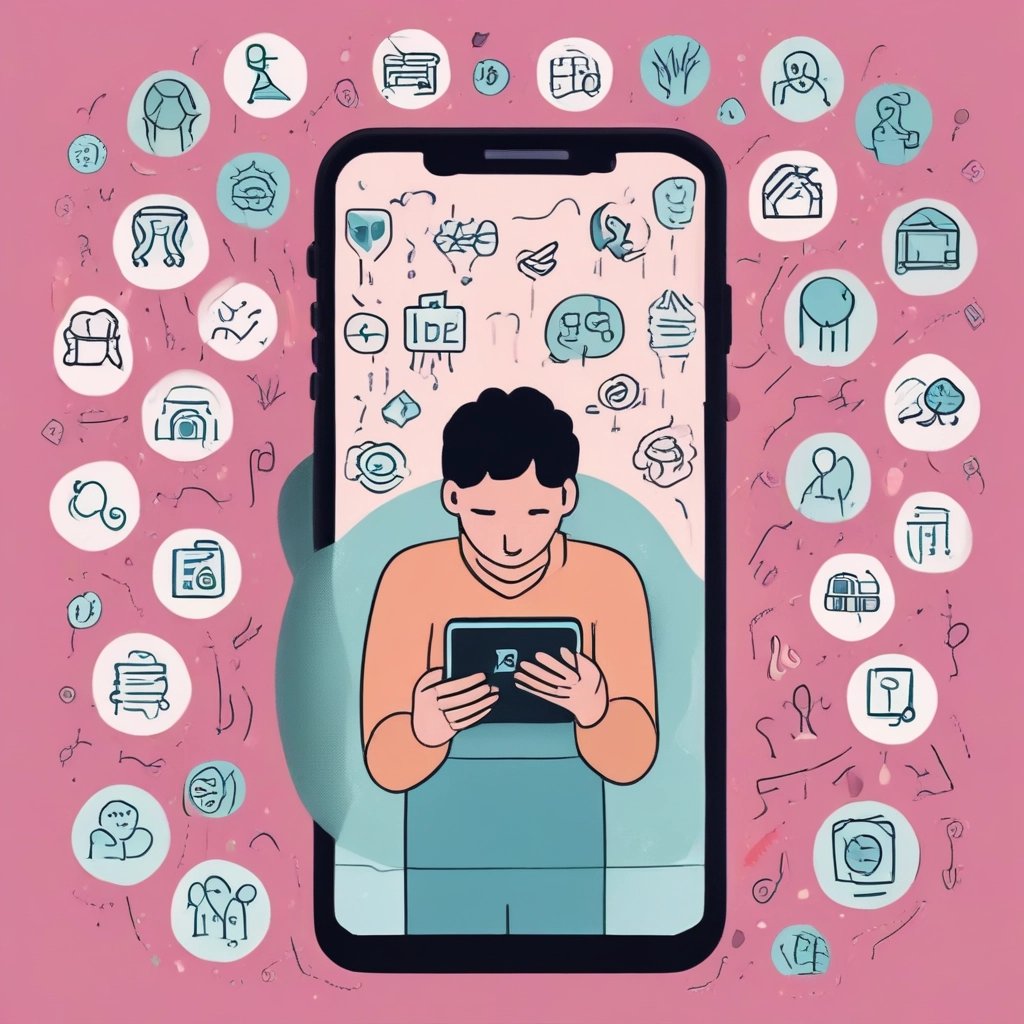
In recent years, mental health awareness has grown faster than ever. Platforms like TikTok, Instagram, and YouTube have opened the door for millions to talk honestly about anxiety, ADHD, depression, trauma, and more. But with this rise in openness comes a new challenge: self-diagnosis. While social media can be empowering, it can also mislead. This blog explores why self-diagnosis is trending, its risks, and how to navigate online mental-health content safely.
11/22/20252 min read
1. Why Mental Health Content Goes Viral
Mental health creators share relatable stories, emotional experiences, and quick educational clips that feel comforting for people who feel unseen. Viewers often connect deeply with symptoms like:
Constant overthinking
Difficulty focusing
Sudden mood shifts
Sleep problems
Burnout
This creates a sense of belonging — “Finally, someone understands.”
But it also leads some to jump to conclusions without professional evaluation.
2. What Is Self-Diagnosis?
Self-diagnosis happens when someone identifies themselves with a mental health disorder based solely on:
Short-form videos
Checklists online
Influencer testimonials
Memes
Personal assumptions
While it’s normal to explore your emotions, diagnosing complex conditions without proper assessment can lead to misunderstandings and unnecessary fear.
3. The Pros: Why People Turn to Self-Diagnosis
Even though it’s often discouraged, self-diagnosis has some benefits:
Awareness: People learn names for what they experience.
Validation: They feel less alone and more understood.
Starting Point: It motivates many to seek professional help.
Breaking Stigma: Open conversation reduces shame.
Social media has helped millions realize they’re struggling with real issues deserving attention — not weakness.
4. The Cons: The Hidden Risks
But the rise in self-diagnosis also brings major concerns:
1. Misdiagnosis
Many conditions share overlapping symptoms.
For example: lack of focus could suggest ADHD, anxiety, burnout, sleep problems, or even nutritional deficiencies.
2. Increase in Anxiety
Thinking you have a severe condition may create fear or panic unnecessarily.
3. Delayed Professional Help
Some rely only on online content and avoid seeing therapists or doctors.
4. Oversimplification
Mental health is complex — TikTok is not.
5. Identity Confusion
Some adopt labels that don’t truly reflect their experience, feeling even more lost later.
5. Why Algorithms Make This Worse
Social media algorithms amplify what you interact with.
Watch one video about anxiety? You’ll get 50 more.
Like a post about ADHD? Your feed becomes an ADHD zone.
This can create the illusion that:
“Everyone feels this way” or
“I must have this too.”
The algorithm feeds your curiosity, which can reinforce false beliefs.
6. So How Do We Navigate This Trend Safely?
✔ 1. Use Social Media for Awareness, Not Diagnosis
Think of online content as a doorway, not a final answer.
✔ 2. Follow Trusted, Qualified Professionals
Therapists, psychologists, and psychiatrists who provide evidence-based insights.
✔ 3. Avoid Symptom Comparison
Every mind is different; symptoms express differently across people.
✔ 4. Seek an Evaluation If Something Feels Off
Professionals can give clarity that social media cannot.
✔ 5. Understand That Labels Are Tools, Not Identities
They help guide treatment — they don’t define who you are.
7. When Should You Seek Professional Help?
It might be time to reach out if you experience:
Persistent sadness
Unmanageable anxiety
Loss of interest in things you enjoy
Trouble functioning at work or school
Thoughts of self-harm
Emotional overwhelm
Daily fatigue or disconnection
Getting help is a sign of strength — not failure.
Conclusion: Awareness Is Powerful, But Guidance Matters
Mental health conversations online are helping millions feel seen. That’s the beauty of today’s digital world.
But while self-education is good, self-diagnosis can be misleading or even harmful.
The goal is balance:
Use social media to learn, reflect, and feel understood — but rely on trained professionals for real assessment and support.
Your emotions matter. Your struggles matter. And you don’t have to face them alone.
Contact
Questions? Reach out anytime, we're here to help.
© 2025. All rights reserved.

