
Menopause and Mental Health: Symptoms, Science & Support
Discover how menopause affects mental health, including mood swings, anxiety, and depression. Learn science-backed strategies to support emotional well-being.
3/5/20265 min read
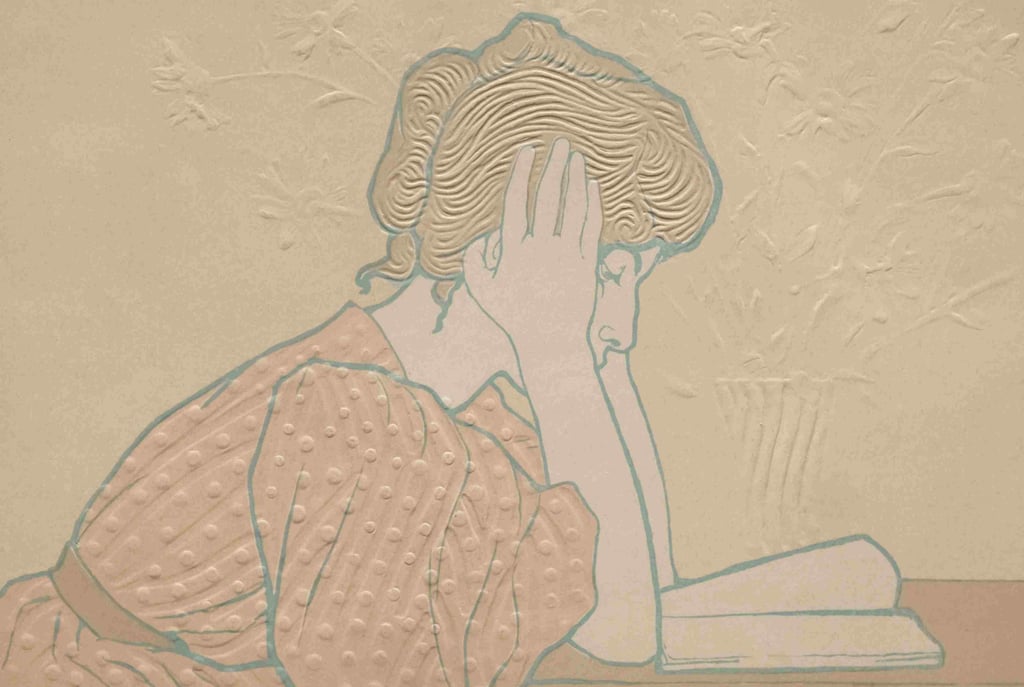

Menopause and Mental Health: Understanding the Emotional Impact
Introduction
Menopause is a natural biological transition that marks the end of a woman’s reproductive years. While it is often associated with physical symptoms such as hot flashes and night sweats, menopause can also have a significant impact on mental and emotional health. Many women experience mood changes, anxiety, irritability, or even depression during this stage of life.
Understanding the connection between menopause and mental health is crucial for recognizing symptoms early and finding effective strategies for support. Hormonal fluctuations, lifestyle changes, and life-stage stressors all contribute to emotional changes during this period.
In this article, we explore the science behind menopause, its effects on mental health, and evidence-based ways to manage symptoms while improving overall well-being.
What Is Menopause?
Menopause occurs when a woman has gone 12 consecutive months without a menstrual period. It typically happens between the ages of 45 and 55, with the average age being around 51 years.
The transition toward menopause includes three stages:
1. Perimenopause
This stage can begin several years before menopause. Hormone levels—particularly estrogen and progesterone—fluctuate significantly, causing symptoms such as:
Irregular periods
Mood swings
Sleep disturbances
Increased anxiety
2. Menopause
This stage is officially reached when menstruation stops for 12 months.
3. Postmenopause
After menopause, symptoms may ease for some women, although certain health risks—such as osteoporosis and cardiovascular disease—can increase.
Hormonal shifts during menopause are closely linked to changes in brain chemistry, which can influence mood and emotional stability.
How Menopause Affects Mental Health
Hormonal Changes and Brain Chemistry
One of the primary reasons menopause affects mental health is the drop in estrogen levels. Estrogen plays a key role in regulating neurotransmitters such as:
Serotonin (mood regulation)
Dopamine (motivation and pleasure)
Norepinephrine (alertness and stress response)
When estrogen levels fluctuate during menopause, these brain chemicals can become imbalanced, contributing to mood changes.
According to research from the North American Menopause Society, women are two to four times more likely to experience depressive symptoms during perimenopause compared to earlier reproductive years.
Mood Swings and Emotional Changes
Mood swings are among the most commonly reported symptoms of menopause.
Women may experience:
Irritability
Sudden sadness
Emotional sensitivity
Difficulty concentrating
These emotional changes can feel unpredictable, often appearing without a clear trigger.
Sleep disturbances—another common symptom of menopause—can further worsen mood and mental clarity.
Anxiety During Menopause
Many women report increased anxiety during menopause.
Symptoms may include:
Persistent worry
Restlessness
Racing thoughts
Panic attacks
Hormonal fluctuations combined with life stressors—such as career changes, family responsibilities, or aging parents—can intensify anxiety levels.
Research published in the journal Menopause found that up to 60% of women experience anxiety symptoms during the menopausal transition.
Depression and Menopause
While not every woman develops depression, the risk increases during menopause.
Risk factors include:
Previous history of depression
Severe menopausal symptoms
Chronic stress
Poor sleep quality
Depression symptoms may include:
Persistent sadness
Loss of interest in activities
Fatigue
Difficulty concentrating
The World Health Organization (WHO) estimates that depression affects more than 280 million people globally, and hormonal transitions like menopause can contribute to vulnerability.
Other Factors That Influence Mental Health During Menopause
Sleep Disorders
Sleep disturbances are strongly linked to mental health during menopause.
Common issues include:
Insomnia
Night sweats
Frequent waking
According to the National Sleep Foundation, 40–60% of menopausal women experience sleep problems.
Lack of sleep can worsen mood, increase stress levels, and reduce cognitive performance.
Internal linking suggestion:
Read our article about Sleep Disorders and Insomnia to learn how sleep affects overall health.
Stress and Life Transitions
Menopause often coincides with major life changes, including:
Children leaving home
Career transitions
Aging parents
Health concerns
These life events can contribute to emotional strain and mental fatigue.
Stress management becomes particularly important during this stage.
Physical Health and Lifestyle
Physical health strongly influences mental well-being during menopause.
Key factors include:
Diet and nutrition
Exercise levels
Alcohol consumption
Chronic health conditions
Women who maintain healthy lifestyle habits often experience fewer psychological symptoms.
Evidence-Based Strategies for Managing Mental Health During Menopause
1. Regular Physical Activity
Exercise is one of the most effective ways to improve mental health during menopause.
Benefits include:
Reduced anxiety and depression
Improved sleep quality
Better mood regulation
The Centers for Disease Control and Prevention (CDC) recommends 150 minutes of moderate exercise per week for adults.
Activities such as walking, yoga, swimming, and strength training are particularly beneficial.
2. Healthy Nutrition
Nutrition plays a major role in hormonal balance and brain health.
A diet that supports mental health during menopause should include:
Omega-3 fatty acids (fish, walnuts, flaxseeds)
Whole grains
Leafy green vegetables
Lean protein
Reducing caffeine and processed foods may also help stabilize mood.
3. Cognitive Behavioral Therapy (CBT)
Cognitive Behavioral Therapy (CBT) is an evidence-based treatment for anxiety and depression.
Research shows CBT can help women during menopause by:
Managing negative thought patterns
Reducing stress
Improving sleep
CBT is often recommended as a first-line therapy for menopausal mood symptoms.
4. Hormone Therapy
For some women, hormone replacement therapy (HRT) may help reduce both physical and emotional symptoms of menopause.
Benefits may include:
Reduced hot flashes
Improved sleep
Better mood stability
However, hormone therapy is not suitable for everyone. Women should discuss risks and benefits with a healthcare provider.
5. Mindfulness and Stress Management
Mindfulness practices can help regulate emotional responses during menopause.
Effective methods include:
Meditation
Deep breathing exercises
Yoga
Journaling
Studies show that mindfulness-based stress reduction can significantly improve mood and reduce anxiety.
Internal linking suggestion:
Read our article about Managing Anxiety and Depression to explore additional mental health strategies.
When to Seek Professional Help
While emotional changes during menopause are common, severe symptoms should not be ignored.
Consider seeking professional support if symptoms include:
Persistent depression lasting more than two weeks
Severe anxiety or panic attacks
Difficulty functioning in daily life
Thoughts of self-harm
Mental health professionals can provide therapy, medication options, or lifestyle guidance to help manage symptoms effectively.
Frequently Asked Questions (FAQ)
Does menopause cause depression?
Menopause does not directly cause depression, but hormonal fluctuations and life changes during this stage can increase the risk of depressive symptoms.
How long do mental health symptoms last during menopause?
Mental health symptoms can appear during perimenopause and may last several years. For many women, symptoms improve after hormone levels stabilize.
Can lifestyle changes improve menopause-related anxiety?
Yes. Exercise, balanced nutrition, sleep hygiene, and stress management can significantly reduce anxiety symptoms associated with menopause.
Is hormone therapy effective for mood symptoms?
Hormone therapy may help some women manage mood changes during menopause, especially if symptoms are linked to hormonal fluctuations.
Does menopause affect memory and concentration?
Some women experience brain fog, including memory lapses and difficulty concentrating during menopause, often linked to hormonal changes and poor sleep.
Conclusion
Menopause is more than a physical transition—it can also affect emotional and psychological well-being. Hormonal changes, sleep disturbances, and life transitions all contribute to mental health challenges during this stage.
However, understanding the science behind menopause allows women to take proactive steps toward maintaining emotional balance. Healthy lifestyle habits, stress management techniques, and professional support can make a significant difference.
By recognizing symptoms early and seeking appropriate care, women can navigate menopause with resilience and confidence.
References
North American Menopause Society – https://www.menopause.org
World Health Organization – https://www.who.int
National Sleep Foundation – https://www.sleepfoundation.org
CDC Physical Activity Guidelines – https://www.cdc.gov/physicalactivity
Harvard Health Publishing – https://www.health.harvard.edu
✅ Want more evidence-based health insights?
Explore more expert articles on HealthInteligence.com, where we break down the latest research on mental health, chronic disease prevention, and healthy living to help you make informed decisions about your well-being.
Contact
Questions? Reach out anytime, we're here to help.
© 2025. All rights reserved.

