Iron Deficiency & Nail Health: Key Signs
Iron deficiency can weaken nails. Learn symptoms, causes, and how to improve nail health with the right diet and care.
4/3/20263 min read
💅 Iron Deficiency and Nail Health: What You Need to Know
Introduction
Iron deficiency is one of the most common nutritional deficiencies worldwide—and your nails may be one of the first places it shows. If you’ve noticed brittle, thin, or unusually shaped nails, your body might be signaling a lack of essential nutrients.
While many people focus on fatigue or dizziness as symptoms, nail changes are often overlooked. Understanding the connection between iron deficiency and nail health can help you identify early warning signs and take action before more serious health issues develop.
In this guide, we’ll explore how iron deficiency affects your nails, the symptoms to watch for, and practical steps to restore both your nail strength and overall health.
🧬 What Is Iron Deficiency?
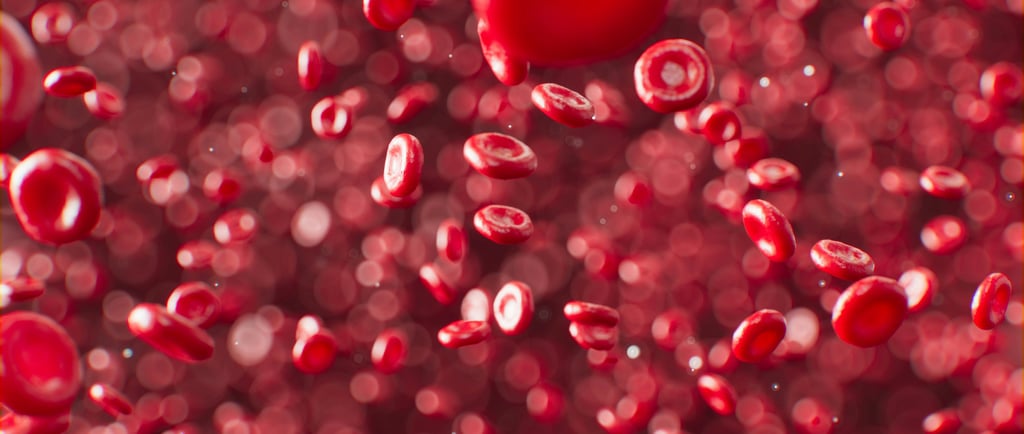
Iron deficiency occurs when your body lacks enough iron to produce adequate hemoglobin—the protein in red blood cells responsible for carrying oxygen.
Common causes:
Poor diet
Blood loss (e.g., menstruation)
Pregnancy
Digestive disorders affecting absorption
According to the World Health Organization (WHO), iron deficiency affects over 30% of the global population, making it a major public health concern.
💅 How Iron Deficiency Affects Nail Health
Your nails depend on oxygen and nutrients delivered through the bloodstream. When iron deficiency reduces oxygen supply, nail growth and strength are compromised.
Key effects on nails:
Reduced keratin production
Slower nail growth
Increased fragility
Over time, these changes can lead to visible nail abnormalities.
⚠️ Signs of Iron Deficiency in Nails
Recognizing nail changes early can help you address iron deficiency before it worsens.
🚨 Common Nail Symptoms
1. Spoon-Shaped Nails (Koilonychia)
Nails curve inward like a spoon
Often thin and soft
One of the most distinctive signs
2. Brittle or Peeling Nails
Nails split easily
Layers peel off
Difficulty maintaining length
3. Pale Nail Beds
Reduced pink color
Indicates low oxygen levels
4. Slow Nail Growth
Nails take longer to grow
Recovery from damage is slower
📊 Nail Changes & What They Mean
🧪 Who Is at Risk of Iron Deficiency?
Certain groups are more likely to develop iron deficiency, which can impact nail health.
High-risk groups:
Women of reproductive age
Pregnant individuals
Vegetarians and vegans
Children and adolescents
People with chronic illnesses
Early awareness is key for prevention and treatment.
🥗 Best Foods to Combat Iron Deficiency
Improving your diet is one of the most effective ways to address iron deficiency and restore nail health.
🥩 Iron-Rich Foods
Red meat
Poultry
Fish
Lentils
Spinach
Fortified cereals
🍊 Enhance Iron Absorption
Pair iron-rich foods with vitamin C to improve absorption:
Citrus fruits
Tomatoes
Bell peppers
⚠️ Foods That Inhibit Iron Absorption
Tea and coffee
High-calcium foods (when consumed with iron)
Timing your meals can make a big difference.
💊 Do You Need Iron Supplements?
In moderate to severe cases, supplements may be necessary.
Important considerations:
Only take supplements under medical supervision
Excess iron can be harmful
Blood tests are required for diagnosis
Supplements can help restore healthy nail growth when deficiency is confirmed.
🛠️ Additional Tips for Healthy Nails
Alongside treating iron deficiency, proper nail care is essential.
💡 Nail Care Tips
Keep nails trimmed and clean
Moisturize regularly
Avoid harsh chemicals
Wear gloves during cleaning
Combining internal and external care yields the best results.
⏳ How Long Does Recovery Take?
Nails grow slowly, so improvements take time.
Expected timeline:
4–8 weeks: Improved energy and early nail changes
3–6 months: Noticeable nail strengthening
6+ months: Full recovery of nail health
Consistency in treatment is crucial.
⚠️ When to See a Doctor
Seek medical advice if you notice:
Persistent nail abnormalities
Severe fatigue or weakness
Shortness of breath
Frequent dizziness
These may indicate advanced iron deficiency anemia.
📊 Key Statistics
Iron deficiency affects over 30% of the global population (WHO)
Nail disorders impact 10–15% of people worldwide
Fingernails grow about 3 mm per month (American Academy of Dermatology)
These statistics highlight the importance of recognizing early signs.
🔗 Internal Linking Suggestions
Explore more nail health topics:
“Read our article about Brittle Nails? Hidden Nutrient Deficiencies Explained”
“Discover Healthy vs Unhealthy Nails: A Visual Guide”
“Learn more in Grow Strong Nails Fast: 10 Proven Tips”
❓ FAQ: Iron Deficiency & Nail Health
1. Can iron deficiency cause nail problems?
Yes, it can lead to brittle, thin, and spoon-shaped nails.
2. What do iron deficiency nails look like?
They may appear pale, brittle, or curved inward.
3. How long does it take to fix iron deficiency nails?
It can take several months as nails grow slowly.
4. Can diet alone fix iron deficiency?
Mild cases can improve with diet, but severe cases may require supplements.
5. Are nail changes reversible?
Yes, with proper treatment, most nail changes can be reversed.
📚 References
World Health Organization (WHO): https://www.who.int
National Institutes of Health (NIH): https://ods.od.nih.gov
American Academy of Dermatology (AAD): https://www.aad.org
Mayo Clinic: https://www.mayoclinic.org
✅ Conclusion & Call-to-Action
Iron deficiency doesn’t just affect your energy levels—it can also weaken your nails and signal deeper health concerns. By recognizing early signs and taking action through diet, supplements, and proper care, you can restore both your nail strength and overall well-being.
Your nails are a reflection of your internal health—listen to what they’re telling you.
👉 For more expert health insights and practical wellness tips, explore HealthInteligence.com and take control of your health today.
Contact
Questions? Reach out anytime, we're here to help.
© 2025. All rights reserved.

