
How Physical Exercise Strengthens the Brain
If you think exercise is only about sculpting your body, think again. Research shows that physical activity is one of the most powerful tools we have to strengthen the brain, boost mental performance, and protect long-term cognitive health. Whether you’re aiming for better focus, improved mood, or sharper memory, movement is your brain’s best friend. In this blog, we break down how exercise transforms your brain, which types of workouts give the biggest benefits, and how to build a brain-boosting fitness routine.
12/2/20252 min read

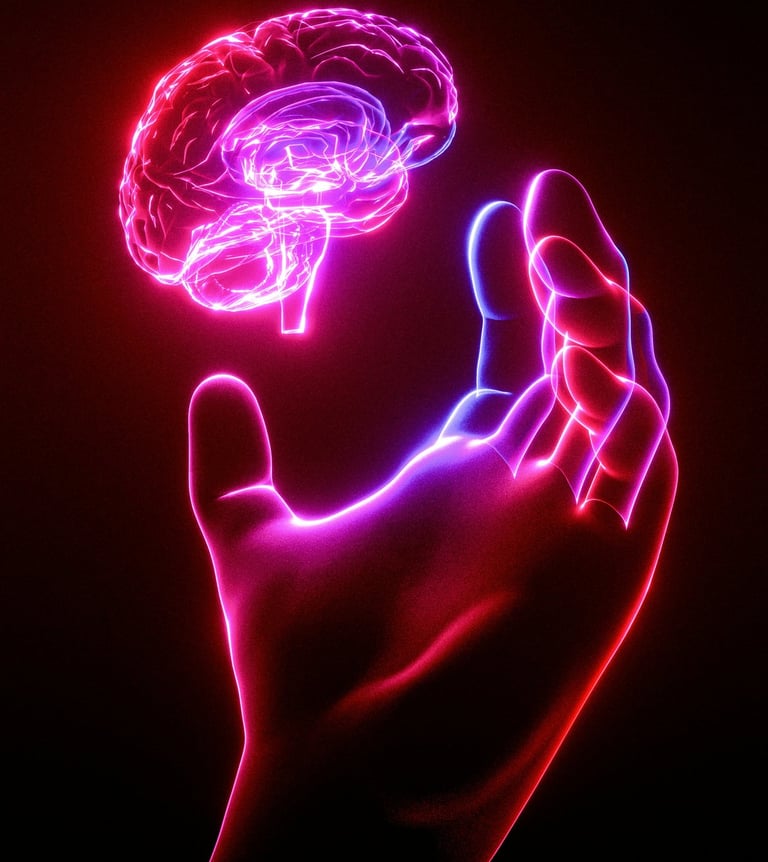
⭐ Why Exercise Is a Brain Booster (Not Just a Body Booster)
Every time you move, your heart pumps oxygen-rich blood to your brain — but the benefits go way beyond better circulation. Exercise actually changes your brain structure, stimulates new brain cells, and improves communication between neural networks.
Here are the key reasons exercise is like a natural brain upgrade:
🧬 1. Exercise Increases Neuroplasticity (Your Brain’s Ability to Grow & Adapt)
Neuroplasticity is your brain’s ability to learn, adapt, and form new pathways.
Physical activity — especially aerobic exercise — increases Brain-Derived Neurotrophic Factor (BDNF), a protein that acts like “fertilizer” for brain cells.
👉 What this means for you:
Faster learning
Better memory retention
Increased creativity
Slower cognitive decline with age
BDNF is one of the main reasons exercise helps you feel mentally sharper after just one workout.
❤️ 2. Movement Improves Mood by Balancing Neurotransmitters
Exercise increases:
Dopamine → motivation & focus
Serotonin → mood & emotional stability
Endorphins → natural stress relief
This is why a workout can feel like an instant mood reset.
👉 Benefits:
Reduced anxiety
Lower stress levels
Improved emotional balance
Better resilience during the day
🧠 3. Exercise Enhances Memory & Focus
Aerobic workouts (like walking, running, cycling, swimming) increase blood flow to the hippocampus, the part of the brain responsible for memory and learning.
👉 Result:
Better memory recall
Improved attention span
Stronger concentration
Reduced brain fog
Even a 10-minute brisk walk can sharpen your mental clarity.
💤 4. Movement Improves Sleep — Which Directly Supports Brain Health
Good sleep is essential for clearing toxins, consolidating memories, and restoring mental energy.
Exercise helps regulate:
Circadian rhythm
Melatonin production
Stress hormones
👉 Meaning:
You fall asleep faster, stay asleep longer, and wake up mentally sharp.
🔥 5. Exercise Protects the Brain From Aging
Consistent physical activity is linked to:
Lower risk of Alzheimer’s
Delayed cognitive decline
Better long-term memory
Why? Because exercise supports:
Healthy blood vessels
Reduced inflammation
Increased brain cell regeneration
Your future brain depends on the habits you build today.
🏋️♀️ Best Types of Exercise for Brain Health
1. Aerobic Exercises
The strongest brain-boosters.
Examples: walking, jogging, dancing, HIIT, cycling, swimming.
Benefits: Improved memory, focus, emotional health, BDNF boost.
2. Strength Training
Examples: weights, resistance bands, bodyweight workouts.
Benefits: Better mood regulation, sharper thinking, hormone balance.
3. Mind–Body Activities
Examples: yoga, Pilates, tai chi, breathwork.
Benefits: Lower stress, better emotional control, enhanced clarity.
4. Coordination-Based Workouts
Examples: boxing, tennis, dance choreography.
Benefits: Improved neuroplasticity, faster reaction time, stronger cognitive agility.
📅 How Much Exercise Do You Need for Brain Benefits?
You don’t need hours.
The sweet spot:
150 minutes/week of moderate aerobic exercise, or
75 minutes/week of intensive cardio, plus
2–3 days of strength training
Even 20–30 minutes per day can create measurable changes in brain performance.
💡 Brain-Boosting Fitness Routine (Sample)
Daily:
10–15 min brisk walk
3–5 min breathwork or stretching
3x per week:
30 min cardio (running, cycling, dancing)
2–3x per week:
Strength training or bodyweight workouts
1–2x per week:
Yoga or mind–body session
This routine supports both mental and physical optimization.
🌟 Final Thoughts: Move Your Body, Grow Your Brain
Exercise is one of the few habits that improves your mood, memory, focus, creativity, and long-term mental health — all at once.
Whether you’re walking, lifting weights, dancing, or flowing through yoga, every bit of movement nourishes your brain.
If you want a sharper mind, stronger focus, and a healthier future… start with movement today.
Contact
Questions? Reach out anytime, we're here to help.
© 2025. All rights reserved.

