How adults can learn faster
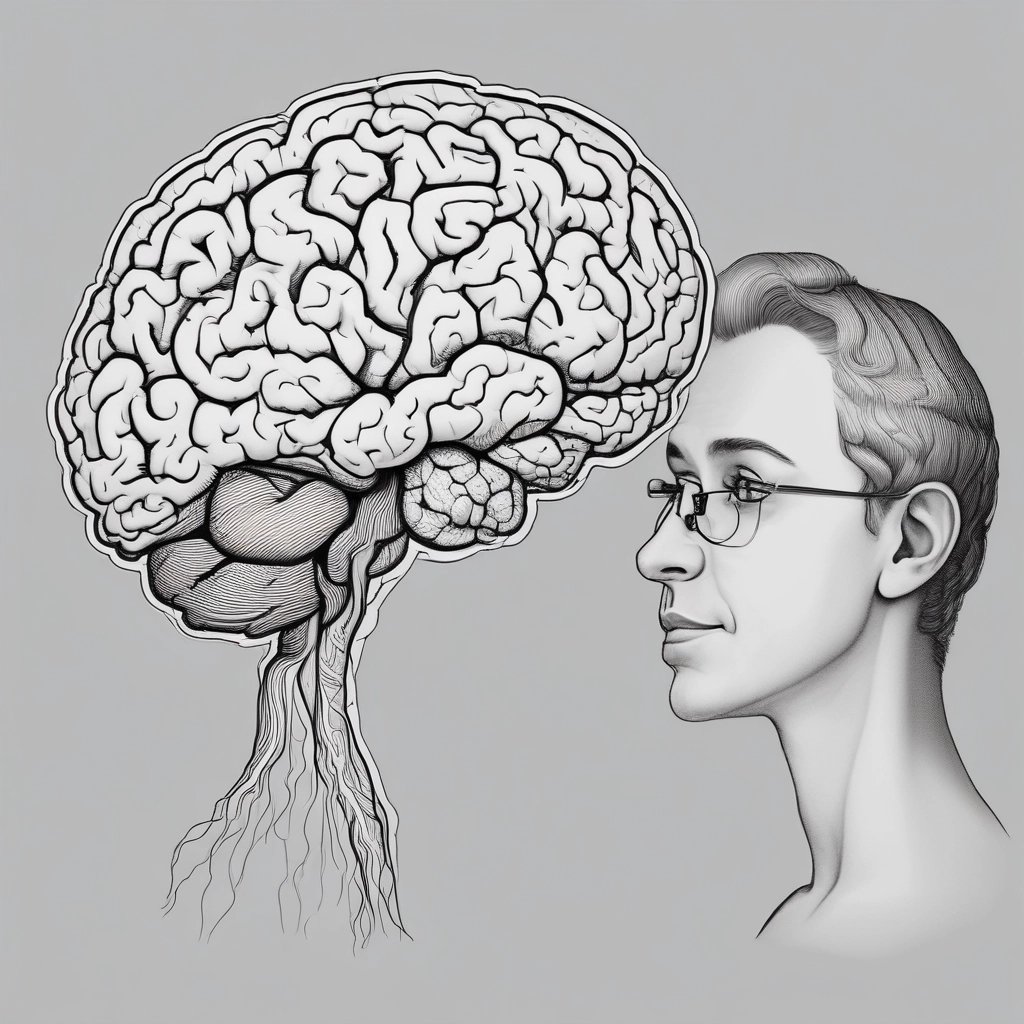
For a long time, people believed that once we reach adulthood, our ability to learn new skills begins to decline. But modern neuroscience proves the opposite: the adult brain is highly adaptable. Through neuroplasticity — the brain’s ability to rewire and form new connections — adults can learn faster, master complex skills, and stay mentally sharp well into old age. The key is learning smarter, not harder. Here’s how.
11/23/20252 min read
🔥 1. Use Focused + Diffuse Thinking Cycles
Adults learn best when the brain switches between two modes:
Focused mode: intense concentration on a task
Diffuse mode: relaxed mental states where the brain forms deeper connections
How to apply it:
Study or practice for 25–40 minutes, then take a 5–10 minute break. Walk, shower, stretch — anything that lets your mind wander. This strengthens memory and improves problem-solving.
🔥 2. Leverage the “Spacing Effect”
Cramming feels productive, but the brain learns much faster when information is reviewed over time.
Do this instead:
Review new material after 1 day
Again after 3 days
Again after 7 days
Then after 30 days
This pattern dramatically increases retention — no extra effort needed.
🔥 3. Turn Passive Learning Into Active Learning
Reading or watching tutorials alone is slow and inefficient. Adults learn faster by doing.
Try these active strategies:
Teach the concept to someone else
Take quick notes in your own words
Practice immediately after learning
Test yourself instead of just rereading
Active learning strengthens neural pathways far faster than passive exposure.
🔥 4. Use Multisensory Input
The more senses you involve, the faster the brain encodes information.
Combine methods like:
Listening to audio + taking written notes
Watching a video + doing a practice task
Speaking concepts aloud while learning
This “layered input” accelerates understanding and memory.
🔥 5. Micro-Learning for Busy Adults
Short learning bursts (5–15 minutes) are incredibly effective for adults with busy schedules.
Examples:
Learn a single concept on your commute
Watch a 10-minute tutorial at lunch
Daily 5-minute flashcard review
One exercise from your fitness or language app
Micro-learning keeps your brain constantly engaged without overwhelm.
🔥 6. Hack Your Brain Chemistry
Your brain learns faster when certain neurotransmitters are activated:
Dopamine: boosts motivation and reward
Acetylcholine: improves focus and memory
Norepinephrine: increases alertness
Boost them naturally:
Exercise (even 10 minutes)
Light sunlight exposure
Exciting or meaningful goals
Small rewards for progress
Listening to energizing music
🔥 7. Sleep: The Secret Weapon
Adults often sacrifice sleep for productivity — but sleep is where learning becomes permanent.
During deep sleep, your brain:
Consolidates new information
Strengthens neural pathways
Clears toxins that slow cognitive function
Aim for 7–9 hours, with an emphasis on consistent sleep/wake times.
🔥 8. Embrace Mistakes
Adults often avoid mistakes due to perfectionism, but errors are essential for fast learning.
Studies show that when you make a mistake, your brain forms deeper learning pathways — especially if you correct it quickly.
See mistakes as data, not failures.
🔥 9. Learn What You Love (Or Make It Fun)
Adults learn significantly faster when they're emotionally engaged.
To make learning stick:
Choose topics you’re genuinely curious about
Turn learning into a challenge or game
Track streaks or progress
Connect new skills to personal goals
Emotion = memory.
🔥 10. Build a Learning Environment
Your environment can speed up or slow down learning.
Optimize it by:
Removing phone distractions
Keeping your learning tools ready
Setting a fixed learning time
Creating a clean, calm workspace
Consistency builds momentum — and momentum builds mastery.
✨ Final Thoughts
You’re never too old to learn something new — and with the right strategies, adults can learn faster than they ever did as kids. The brain thrives on challenge, curiosity, and repetition. Use these science-backed techniques, and you’ll unlock a sharper, stronger, more adaptive mind.
Contact
Questions? Reach out anytime, we're here to help.
© 2025. All rights reserved.

