
Healthy Glow vs Sun Damage: Beauty Standards Shift
Healthy glow or sun damage? Discover how modern beauty standards are shifting toward skin health, safety, and long-term wellness. Read more!
4/7/20263 min read

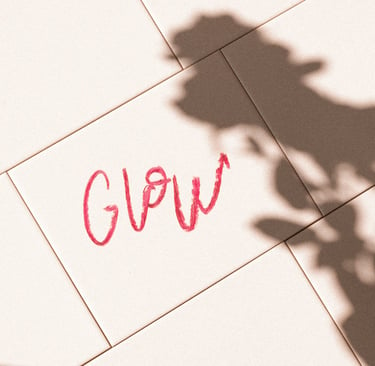
Healthy Glow vs Sun Damage: Redefining Beauty Standards
Introduction
Beauty Standards have long celebrated tanned, sun-kissed skin as a symbol of health and attractiveness. But as science continues to uncover the long-term effects of sun exposure, a major shift is happening. Today, the conversation is no longer just about appearance—it’s about skin health, protection, and sustainability.
So, what truly defines beauty in 2026? Is it the traditional bronzed glow, or a naturally healthy complexion free from damage?
In this article, we explore how Beauty Standards are evolving, the difference between a healthy glow and sun damage, and how you can embrace a safer, smarter approach to skincare.
What Is a “Healthy Glow”?
A “healthy glow” refers to skin that appears:
Hydrated and smooth
Even-toned and radiant
Free from irritation or damage
Naturally vibrant without excessive exposure
Importantly, a healthy glow does not require prolonged exposure to Ultraviolet Radiation.
Key Insight:
Modern Beauty Standards are shifting toward skin vitality and long-term wellness, rather than temporary aesthetic trends.
What Is Sun Damage?
Sun damage occurs when the skin is exposed to UV radiation over time, leading to:
Wrinkles and fine lines
Dark spots (hyperpigmentation)
Loss of elasticity
Increased risk of Skin Cancer
One of the most serious forms of sun-related damage is Melanoma, which can develop from repeated UV exposure.
The Science Behind the Shift in Beauty Standards
For decades, tanning was associated with health and luxury. However, research has completely changed this perception.
Important Statistics:
Up to 90% of visible skin aging is caused by UV exposure (Skin Cancer Foundation).
The World Health Organization classifies UV radiation as a Group 1 carcinogen.
Rates of skin cancer continue to rise globally due to increased sun exposure habits.
These findings have forced a reevaluation of traditional Beauty Standards, placing health above appearance.
Healthy Glow vs Sun Damage: Key Differences
👉 Takeaway: A healthy glow supports long-term wellness, while sun damage compromises skin integrity.
Why Traditional Beauty Standards Are Changing
1. Increased Awareness of Skin Health
Consumers are more educated about the risks of UV exposure and are actively seeking safer alternatives.
2. Rise of Clean Beauty Trends
Modern skincare emphasizes non-toxic ingredients, sun protection, and prevention.
3. Influence of Dermatology Experts
Professionals in Dermatology now advocate for sun safety over tanning.
4. Social Media & Transparency
Platforms have exposed the long-term effects of sun damage, reshaping public perception of beauty.
The Psychological Impact of Beauty Standards
Beauty Standards don’t just affect how we look—they influence how we feel.
Pressure to tan can lead to risky behaviors
Unrealistic ideals can harm self-esteem
Health-first approaches promote confidence and authenticity
Today, redefining Beauty Standards means embracing individuality and prioritizing well-being over trends.
How to Achieve a Healthy Glow Safely
🌿 Skincare Essentials
Daily use of SPF 30+ sunscreen
Hydrating serums (hyaluronic acid)
Antioxidants like vitamin C
☀️ Lifestyle Habits
Drink enough water
Eat skin-friendly foods (fruits, vegetables, healthy fats)
Get adequate sleep
💡 Sunless Glow Options
Self-tanning lotions
Gradual tanning moisturizers
Professional spray tans
These methods align with modern Beauty Standards by delivering results without compromising health.
Internal Linking Suggestions
Expert Recommendations
According to the American Academy of Dermatology:
There is no safe level of UV tanning
Sunscreen should be used daily, regardless of weather
Preventive skincare is key to maintaining healthy skin
These recommendations reflect the evolving nature of Beauty Standards in a health-conscious world.
FAQ: Healthy Glow vs Sun Damage
1. What is the difference between a healthy glow and a tan?
A healthy glow comes from proper skincare and hydration, while a tan is a sign of skin damage caused by UV exposure.
2. Can you achieve glowing skin without sun exposure?
Yes. Skincare, nutrition, and sunless tanning products can create a radiant look safely.
3. Are tanning trends still popular?
They are declining as Beauty Standards shift toward natural, healthy skin.
4. Does sunscreen prevent a healthy glow?
No. Sunscreen protects your skin while allowing it to maintain a natural, healthy appearance.
5. Why are beauty standards changing?
Increased awareness of health risks and scientific evidence are driving the shift toward safer practices.
References
World Health Organization (WHO): https://www.who.int
American Academy of Dermatology: https://www.aad.org
Skin Cancer Foundation: https://www.skincancer.org
Centers for Disease Control and Prevention (CDC): https://www.cdc.gov
Final Thoughts: Redefining Beauty Standards
The definition of beauty is evolving—and for good reason. Today’s Beauty Standards prioritize health, safety, and authenticity over temporary trends like tanning.
A glowing complexion should never come at the cost of long-term damage.
Call-to-Action
Your skin deserves more than trends—it deserves protection, care, and informed choices.
👉 Ready to embrace healthier Beauty Standards?
Explore more expert-backed guides, skincare tips, and wellness insights on HealthInteligence.com and start your journey toward radiant, healthy skin today!
Contact
Questions? Reach out anytime, we're here to help.
© 2025. All rights reserved.

