Functional Fitness & Mobility Training
Fitness is evolving. Instead of focusing only on heavy lifting or intense cardio, more people are turning toward functional fitness and mobility training — a smarter approach that strengthens the body for real-life activities. These workouts improve balance, flexibility, joint health, and movement quality, helping you perform daily tasks with ease while preventing injuries. Whether you're an athlete, a busy professional, or someone just starting their fitness journey, functional training offers benefits that go far beyond the gym.
11/21/20252 min read
1. What Is Functional Fitness?
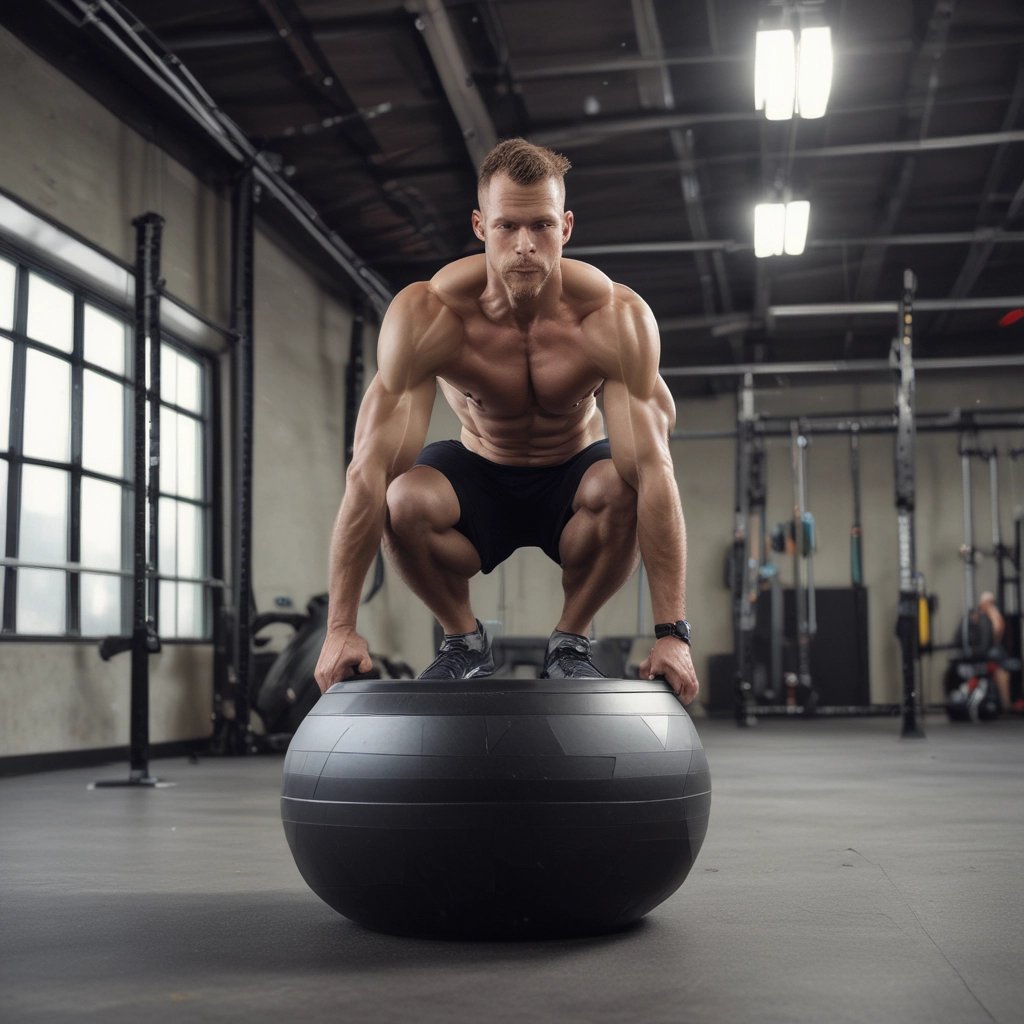
Functional fitness focuses on exercises that mimic everyday movements such as:
Squatting
Lifting
Pulling
Pushing
Rotating
Walking or running
Bending and reaching
These movements strengthen multiple muscle groups at once and help your body move efficiently in the real world.
In simple terms:
Functional training makes your body stronger for the life you actually live.
2. Why Functional Fitness Matters
Most traditional workouts isolate muscles, but real life doesn’t. When you lift groceries, climb stairs, or play sports, your muscles work together as a unit.
Functional training improves:
Core strength
Balance & stability
Joint alignment
Coordination
Explosive power
Posture
It’s one of the best training styles for long-term, sustainable health.
3. The Role of Mobility in Overall Fitness
Mobility is more than just stretching. It’s the ability to move your joints smoothly and pain-free through their full range of motion.
Good mobility helps you:
Move with less stiffness
Perform exercises safely
Reduce injury risk
Improve athletic performance
Age with strength and confidence
Mobility + functional training = a powerful combination for long-term movement health.
4. Functional Movements Everyone Should Train
Here are key movement patterns that form the base of any functional fitness program:
✔ Squat – for leg strength, stability, and daily lifting
✔ Hinge (like deadlifts) – for glutes, hamstrings, and posture
✔ Push – chest, shoulders, and triceps
✔ Pull – back strength and posture
✔ Lunge – unilateral strength and balance
✔ Rotation – core power and athletic movement
✔ Carry – grip strength and total-body stability
Training these patterns improves how your entire body functions together.
5. Tools Used in Functional Fitness
Functional workouts use dynamic equipment that allows natural movement:
Kettlebells
Resistance bands
Medicine balls
Suspension trainers (TRX)
Dumbbells
Bodyweight drills
Stability balls
These tools challenge multiple muscle groups at once and improve movement efficiency.
6. Why Mobility Training Is Essential
Mobility training complements functional workouts by keeping joints healthy and muscles moving properly.
Mobility work includes:
Dynamic stretching
Joint circles
Foam rolling
Hip and shoulder openers
Controlled articular rotations (CARs)
Breath-guided movement
Together, they help you move with more power, fluidity, and control.
7. Benefits of Combining Functional Fitness & Mobility
This training duo provides major advantages:
Stronger, more efficient movement
Reduced stiffness and pain
Better balance and coordination
Faster recovery
Improved posture
Enhanced athletic performance
Lower injury risk
Longevity: the ability to stay active for years
It’s one of the best ways to build a body that feels good, performs well, and ages gracefully.
8. Who Is Functional Fitness For?
Everyone.
Athletes can improve performance and prevent injuries.
Beginners learn safe, natural movement patterns.
Older adults benefit from enhanced balance and strength.
Busy people get full-body workouts in less time.
Functional training adapts to any fitness level.
Final Thoughts
Functional fitness and mobility training are not just trends — they’re essential tools for building a resilient, capable, and pain-free body. By strengthening movement patterns and improving joint health, you’ll move better in workouts, in sports, and in everyday life.
If your goal is long-term fitness, functional training is one of the smartest investments you can make.
Contact
Questions? Reach out anytime, we're here to help.
© 2025. All rights reserved.

