
Fully engineered bacteriophages could revolutionize how doctors fight infections that no longer respond to antibiotics
As antibiotic resistance continues to threaten global health, researchers are innovating powerful new tools to combat infections that no longer respond to traditional treatments. Among the most promising advances is the development of synthetic viruses — engineered bacteriophages designed to specifically target and kill harmful bacteria. This cutting‑edge research could revolutionize how we treat deadly infections, offering new hope against the growing crisis of superbugs.
1/21/20262 min read
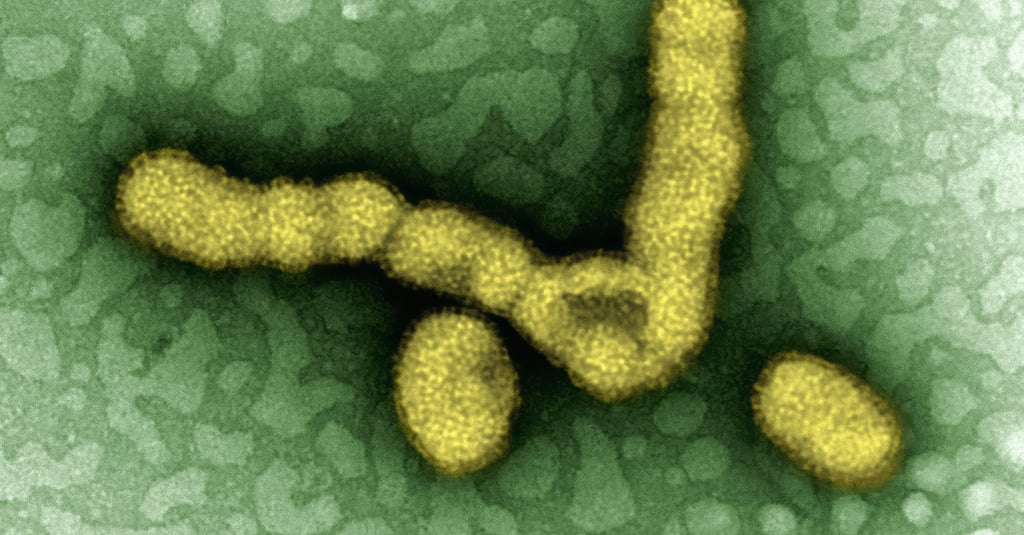
🦠 What Are Synthetic Viruses and How Do They Fight Infection?
Synthetic viruses used for treating bacterial infections are typically engineered bacteriophages — viruses that specifically infect and destroy bacteria. Unlike antibiotics, which can harm beneficial microbes and contribute to resistance, phages target only their bacterial hosts, leaving human cells and helpful microbiota unharmed. (ScienceDaily)
Recent breakthroughs now allow scientists to build phage genomes entirely from synthetic DNA, enabling precise control over which bacteria they target and how they behave. In a landmark study, researchers used a new “Golden Gate” engineering system to assemble a bacteriophage from 28 synthetic DNA fragments and program it to infect Pseudomonas aeruginosa, a notoriously antibiotic‑resistant pathogen. (phys.org)
🔬 Why This Matters: The Antibiotic Resistance Crisis
Antibiotic resistance is a major global health threat. According to health experts, resistant bacteria cause millions of infections each year, and conventional antibiotics are losing their effectiveness at an alarming rate. Phage‑based therapies could fill the gap by offering highly specific, adaptable, and scalable alternatives to traditional drugs. (phys.org)
Unlike antibiotics, bacteriophages multiply only where their bacterial hosts exist — meaning they increase their potency right at the site of infection without harming the body’s beneficial microbes. Because bacteriophages can be engineered, they can also be tailored to recognize and kill strains that have developed resistance to conventional drugs. (ScienceDaily)
🧬 Advances in Synthetic Phage Engineering
Traditionally, phage therapy relied on harvesting naturally occurring viruses from the environment. But new synthetic biology techniques now make it possible to design phage genomes digitally and assemble them chemically in the lab. This speeds up development and allows for precise editing of genetic elements to broaden host range or improve effectiveness. (phys.org)
This shift from natural phage discovery to entirely synthetic engineering could dramatically increase the number of therapeutic candidates and accelerate clinical development — a big step forward amid rising drug resistance. (Drug Target Review)
💡 Real‑World Application: Custom Therapies for Tough Infections
While synthetic viral therapies are still primarily in the research phase, scientists are already exploring how engineered phages might be used to treat real infections that defy antibiotics. For example, researchers are focusing on Pseudomonas and other hospital‑acquired pathogens that pose severe risks to vulnerable patients. (phys.org)
In parallel, advances in AI‑driven design are enabling researchers to explore novel viral genomes that could target specific bacterial strains more effectively than natural phages. These approaches illustrate just how fast the field is evolving as scientists push toward clinical applications. (SingularityHub)
🧠 Challenges and Future Directions
Despite the huge potential, several scientific and regulatory hurdles remain before synthetic viral therapies become mainstream:
Safety and specificity: Researchers must ensure engineered phages only attack targeted pathogens without unintended effects. (ScienceDaily)
Regulatory frameworks: New policies will be needed to evaluate and approve virus‑based therapies, given their unique properties. (Drug Target Review)
Manufacturing and scalability: Producing synthetic phages reliably and at scale remains a challenge. (phys.org)
However, with ongoing innovation and expanding collaboration between bioengineers and clinicians, many experts believe synthetic viruses could be a key component of tomorrow’s antimicrobial armamentarium. (Drug Target Review)
📌 Conclusion
The discovery and engineering of synthetic viruses marks a major milestone in the fight against antibiotic‑resistant infections. By combining synthetic biology with precision targeting, researchers are redefining what’s possible in infection treatment — and offering a powerful new weapon in the battle against superbugs. With continued progress and careful safety evaluation, engineered bacteriophages could one day transform how we treat deadly bacterial diseases that are unresponsive to conventional antibiotics. (phys.org)
Sources
Scientists develop synthetic bacteriophages to fight drug‑resistant bacteria — Drug Target Review (news) (Drug Target Review)
Golden Gate method enables fully synthetic engineering of therapeutic bacteriophages — Phys.org (phys.org)
Synthetic phages with programmable specificity — ScienceDaily (ScienceDaily)
Contact
Questions? Reach out anytime, we're here to help.
© 2025. All rights reserved.

