Foods vs. Supplements: When Each One Matters Most
When it comes to nutrition, one of the biggest questions people ask is: Should I get nutrients from food or supplements? Both options have benefits—but they aren’t interchangeable. Understanding when whole foods are enough and when supplements play an essential role can help you build a smarter, healthier routine. This guide breaks down the key differences between foods and supplements, when each one is most effective, and how to use both for optimal health.
11/26/20252 min read
🍎 Whole Foods: Your Best Source of Everyday Nutrition
Whole foods are still the gold standard for nutrients. They provide vitamins, minerals, fiber, antioxidants, and phytonutrients that work together in ways supplements can’t fully replicate.
⭐ Benefits of Getting Nutrients from Food
1. Better Absorption & Bioavailability
Nutrients from whole foods often absorb more efficiently because they come packaged with co-factors your body recognizes.
2. Synergistic Nutrients
Foods naturally combine ingredients that work together—like Vitamin C helping your body absorb plant-based iron.
3. Fiber for Digestion & Blood Sugar Balance
Fiber regulates digestion, supports gut health, and keeps you full longer—something supplements alone can’t do.
4. Lower Risk of Overdosing
It’s nearly impossible to overconsume vitamins or minerals through whole foods compared to high-dose supplements.
Best Foods to Prioritize Daily
Leafy greens
Berries & citrus
Whole grains
Lean proteins
Nuts & seeds
Fatty fish
Legumes
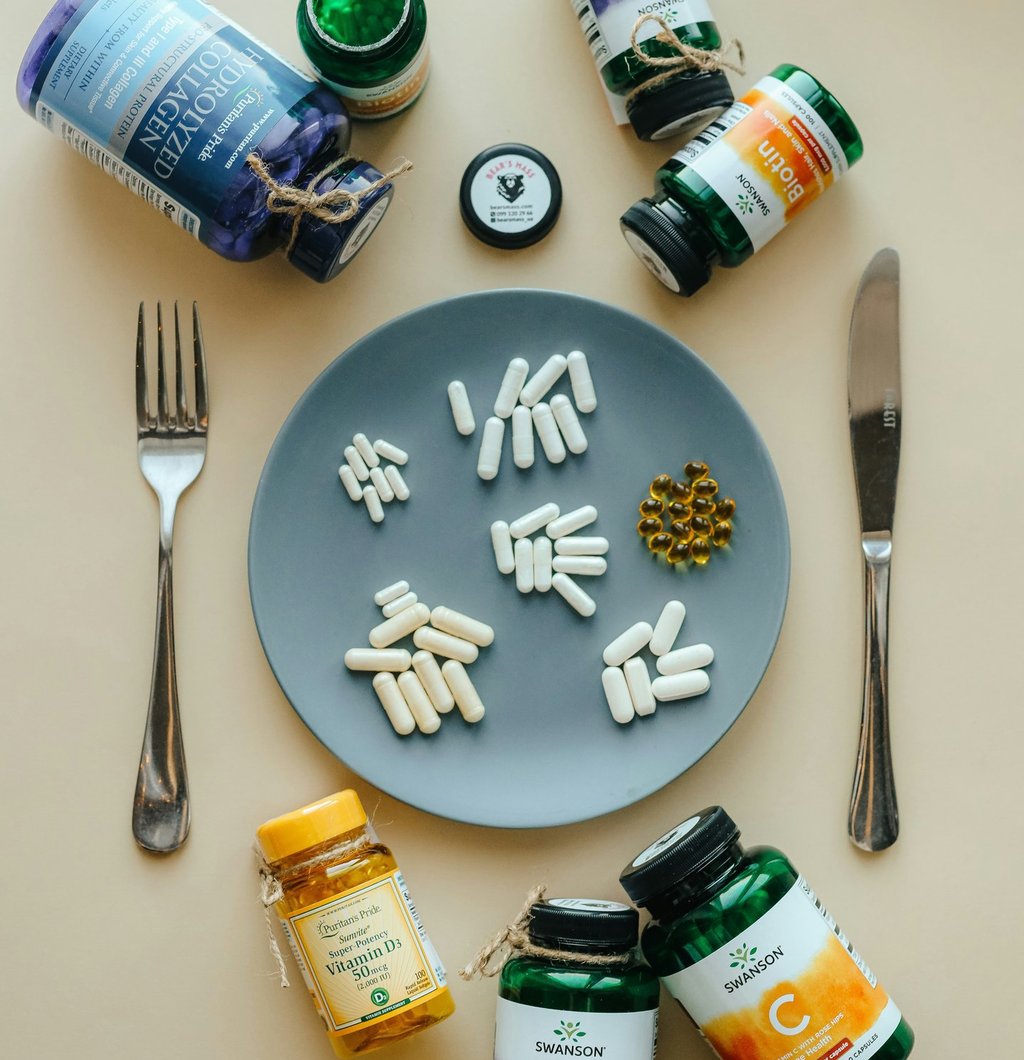
💊 Supplements: Powerful Support When Diet Isn’t Enough
Supplements are not meant to replace food—but they are extremely helpful when your diet, lifestyle, or health needs call for more targeted nutrition.
⭐ When Supplements Matter Most
1. Nutrient Deficiencies Confirmed by Blood Tests
Supplements can restore low levels much faster than food alone.
Common deficiencies:
Vitamin D
Iron
Vitamin B12
Magnesium
Omega-3 fatty acids
Iodine
2. Limited Diets or Food Restrictions
Supplements support people who may not get enough from food alone:
Vegans (B12, iron, omega-3, vitamin D)
Gluten-free diets (B vitamins, fiber)
Low-calorie diets
People with food allergies
3. Higher Nutrient Needs
Some groups require more nutrients than diet alone can realistically provide:
Pregnant women (folate, iron)
Athletes (electrolytes, protein, magnesium)
Older adults (B12, calcium, vitamin D)
4. Poor Absorption or Digestive Conditions
Conditions such as IBS, gastritis, celiac disease, or low stomach acid can reduce nutrient absorption from food.
5. Targeted Wellness Goals
Supplements are helpful for:
Skin health (collagen, vitamin C, zinc)
Energy & focus (B vitamins, magnesium)
Sleep improvements (magnesium glycinate, L-theanine)
Immunity (vitamin D + zinc)
🥗 Foods vs. Supplements: What Works Best for Each Nutrient?
⚖️ So… Which Is Better? Foods or Supplements?
Foods are better for:
Long-term overall nutrition
Digestive health (fiber)
Disease prevention
Maintaining balanced energy & metabolism
Supplements are better for:
Correcting deficiencies
Targeted health goals
Compensating diet restrictions
Boosting nutrients you can't get enough of from food
🧩 The Winning Strategy: Combine Both
The best approach is using whole foods as your foundation and supplements as precision tools.
Together, they help you maintain optimal energy, skin health, immunity, and overall wellbeing.
Smart Daily Combo Example
Eat a nutrient-dense diet
Add supplements only where you need support
Use blood tests to guide your choices
Avoid mega-dosing unnecessary vitamins
Contact
Questions? Reach out anytime, we're here to help.
© 2025. All rights reserved.

