Fitness Facts to Boost Body Performance Fast
Discover powerful fitness facts to improve strength, endurance, and health. Learn science-backed tips to boost your body performance today!
3/27/20263 min read
💪 Fitness & Body Performance Facts: Unlock Your Physical Potential
Fitness is more than just exercise—it's the foundation of a strong, healthy, and high-performing body. Whether your goal is to build muscle, lose weight, or enhance endurance, understanding the science behind fitness can significantly improve your results.
In this guide, we reveal essential fitness and body performance facts backed by research in exercise science, muscle growth, and metabolism. These insights will help you train smarter, recover faster, and maximize your physical potential.
🧬 What Is Fitness and Why It Matters
Fitness refers to your body’s ability to perform physical activities efficiently. It includes several components:
Strength
Endurance
Flexibility
Balance
Cardiovascular health
👉 A well-rounded fitness routine improves both physical and mental well-being.
🔥 The Science Behind Body Performance
⚡ Your Body Adapts to Stress (Progressive Overload)
One of the most important fitness principles is progressive overload.
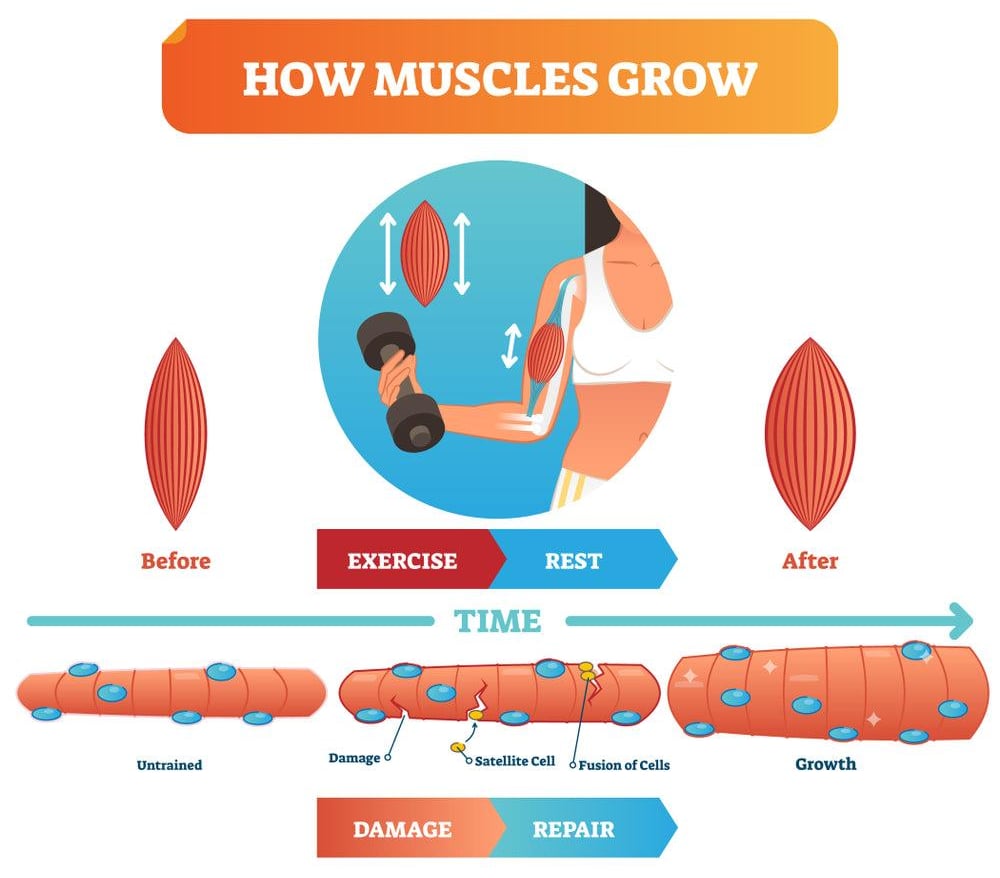
Muscles grow when exposed to increasing resistance
Adaptation occurs through small, consistent challenges
👉 This is the foundation of muscle growth and improved performance.
🧠 The Mind-Muscle Connection Matters
Focusing on muscle engagement during exercise improves results.
Better muscle activation
Increased strength gains
👉 This often-overlooked fitness technique enhances workout efficiency.
🦴 Muscles, Strength, and Performance
💪 Muscle Burns More Calories Than Fat
Muscle tissue is metabolically active, meaning it burns calories even at rest.
👉 Increasing muscle mass boosts your metabolism, making it easier to maintain a healthy weight.
🏋️ Strength Training Improves More Than Muscles
Regular resistance training benefits:
Bone density
Joint stability
Hormonal balance
📊 According to the National Institutes of Health (NIH), strength training reduces the risk of osteoporosis and improves overall health.
👉 This makes strength training a critical part of any fitness plan.
🏃 Cardio and Endurance Facts
❤️ Cardiovascular Fitness Supports Heart Health
Cardio exercises like running, cycling, and swimming strengthen your heart and lungs.
Improves oxygen delivery
Reduces risk of heart disease
👉 A strong cardiovascular system is essential for long-term fitness.
🔄 HIIT Can Be More Efficient Than Traditional Cardio
High-Intensity Interval Training (HIIT) alternates between short bursts of intense activity and rest.
Burns more calories in less time
Improves endurance and fat loss
👉 This is one of the most effective fitness strategies for busy individuals.
😴 Recovery Is Essential for Fitness Success
🛌 Muscles Grow During Rest, Not Workouts
Workouts break down muscle fibers, but growth happens during recovery.
👉 Without proper rest, your fitness progress may stall.
🌙 Sleep Enhances Performance
Sleep plays a key role in:
Muscle repair
Hormone regulation
Energy restoration
📊 The CDC recommends 7–9 hours of sleep per night for optimal performance.
👉 Quality sleep is a hidden pillar of fitness success.
⚖️ Nutrition and Hydration for Performance
🍎 Nutrition Fuels Fitness
Your body needs the right nutrients to perform and recover.
Protein supports muscle repair
Carbohydrates provide energy
Fats support hormones
👉 Proper nutrition and fitness go hand in hand.
💧 Hydration Affects Strength and Endurance
Even mild dehydration can reduce performance.
Decreases strength
Impairs focus
Increases fatigue
👉 Staying hydrated is essential for peak fitness performance.
😲 Surprising Fitness Facts
⏱️ Short Workouts Can Be Effective
You don’t need hours at the gym—20–30 minutes of focused exercise can deliver results.
👉 Consistency matters more than duration in fitness.
🔥 You Continue Burning Calories After Exercise
After intense workouts, your body burns calories during recovery (afterburn effect).
👉 This is known as excess post-exercise oxygen consumption (EPOC).
🧘 Flexibility Improves Strength and Prevents Injury
Stretching and mobility exercises enhance performance and reduce injury risk.
👉 Flexibility is often underestimated in fitness routines.
📊 Key Fitness Statistics
Adults should get at least 150 minutes of moderate exercise weekly (WHO)
Physical inactivity is linked to over 5 million deaths annually (WHO)
Strength training twice per week improves overall health and longevity
👉 These statistics emphasize the importance of regular fitness activity.
🛠️ Practical Tips to Improve Fitness and Performance
📅 Stay Consistent
Regular workouts are more effective than occasional intense sessions.
🎯 Set Realistic Goals
Track progress and celebrate small wins.
🔄 Mix Training Styles
Combine strength, cardio, and flexibility exercises.
🧠 Listen to Your Body
Avoid overtraining and allow proper recovery.
👉 Sustainable habits are the key to long-term fitness success.
🔗 Internal Linking Suggestions
Explore more expert insights on HealthInteligence.com:
👉 Read our article about “Nutrition & Food Facts”
👉 Explore “Sleep Facts That Surprise People”
👉 Learn more about “Healthy Weight Loss Strategies”
👉 Discover “Mental Health Benefits of Exercise”
❓ FAQ – Fitness & Body Performance Facts
1. How often should I exercise for optimal fitness?
At least 3–5 times per week, combining strength and cardio training.
2. Is cardio or strength training better?
Both are important—cardio improves endurance, while strength training builds muscle.
3. How long does it take to see fitness results?
Most people notice changes within 4–8 weeks with consistent training.
4. Do rest days matter in fitness?
Yes, rest is essential for recovery and muscle growth.
5. Can beginners improve fitness quickly?
Yes, beginners often see rapid improvements due to initial adaptation.
📚 References
World Health Organization (WHO) – Physical Activity Guidelines
https://www.who.int/news-room/fact-sheets/detail/physical-activityNational Institutes of Health (NIH) – Exercise and Health
https://www.nih.govCenters for Disease Control and Prevention (CDC) – Physical Activity
https://www.cdc.gov/physicalactivityHarvard Medical School – Benefits of Exercise
https://www.health.harvard.edu
🚀 Final Thoughts
Fitness is not just about appearance—it’s about building a body that performs efficiently, resists disease, and supports a high quality of life. By understanding these fitness and body performance facts, you can train smarter and achieve sustainable results.
Improving your fitness habits doesn’t require drastic changes—small, consistent actions can lead to powerful transformations over time.
👉 Ready to elevate your health and performance?
Explore more science-backed articles on HealthInteligence.com and take the next step toward a stronger, healthier you.
Contact
Questions? Reach out anytime, we're here to help.
© 2025. All rights reserved.

