Dry January Explained: Practical Tips That Actually Help You Stick With It
Dry January — the practice of giving up alcohol for the first month of the year — has become one of the most popular health challenges worldwide. Whether you’re doing it to improve your sleep, reset your habits, save money, or simply see what life without alcohol feels like, this practical guide will help you not just start, but stick with Dry January and enjoy the benefits along the way.
1/14/20263 min read
🌟 What Is Dry January — and Why It Matters
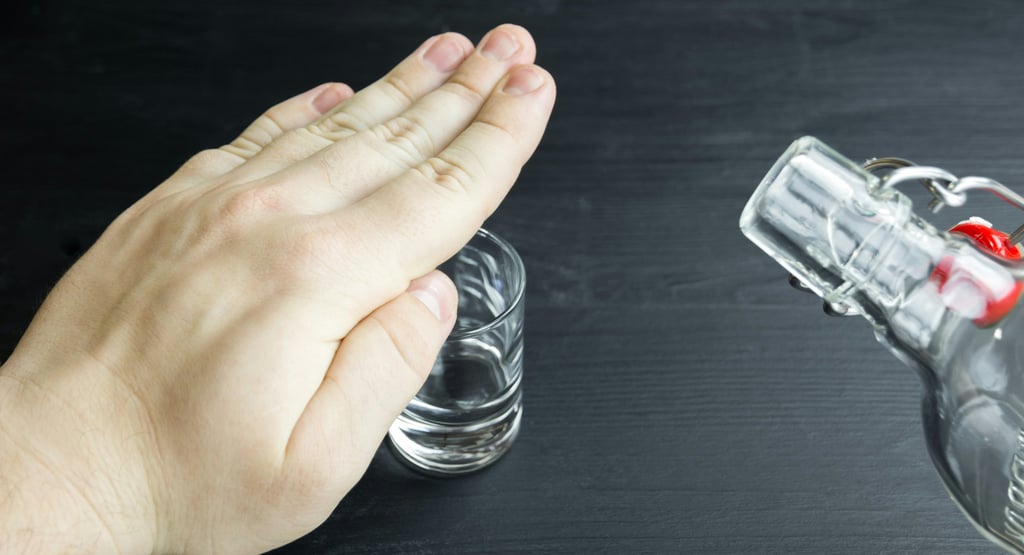
Dry January is a self-imposed challenge that invites participants to abstain from alcohol for the entire month of January. While it’s often considered a trendy New Year challenge, the benefits go beyond trends — including better sleep, improved mood, reduced anxiety, and a chance to reassess your relationship with alcohol. (Forbes)
Many participants also find that completing Dry January motivates them to make lasting lifestyle changes. (New York Post)
📌 1. Set Clear Goals and Intentions
Understanding “why” you’re doing Dry January gives you a north star to return to when motivation dips.
Write down your personal reasons — whether it’s better sleep, more energy, or mental clarity.
Keep this note in a visible place (like your fridge or phone lock screen) to remind yourself on tough days. (Feast + West)
Pro tip: Treat this as a month of self-care and discovery rather than a punishment.
💪 2. Plan Ahead with Non-Alcoholic Alternatives
Removing alcohol from your daily routine doesn’t mean missing out on social moments or rituals.
Stock up on non-alcoholic beverages like mocktails, sparkling water, herbal tea, or alcohol-free beer.
Explore creative mocktail recipes to make social events feel special without booze. (The Economic Times)
Note: Some products labeled “non-alcoholic” can still contain tiny amounts of alcohol, so check labels if you want to avoid it completely. (Harvard Health)
🤝 3. Build Your Support System
You’re more likely to stick with Dry January when others know about your commitment.
Tell friends and family you’re doing it — they can encourage and cheer you on.
Consider finding a buddy to take on the challenge with you.
Join online communities where people share tips and encouragement. (Vitality Insurance Plans)
Making your commitment public increases your sense of accountability. (Healthline)
📱 4. Track Your Progress & Celebrate Milestones
Tracking your journey has two big benefits: it makes progress visible and keeps you motivated.
Use apps like Try Dry to set goals and log days without alcohol.
Keep a journal of how you feel physically and emotionally each day.
Celebrate milestones — like a week or two — with a small non-alcohol-related reward. (The Economic Times)
Seeing the positive changes over time can be a powerful motivator.
🍃 5. Replace Old Habits With Healthy Routines
Dry January doesn’t just remove something — it creates space for something better.
Instead of having a drink after work:
Take a walk or do a short workout
Practice meditation or deep breathing
Dive into a hobby you’ve been meaning to explore
Try yoga or stretching for stress relief (snhu.edu)
Not only do these activities help you cope with cravings, they often improve your overall well-being.
🚫 6. Avoid Temptations and Triggers
Creating an environment where it’s easier to say no makes sticking to Dry January simpler.
Keep alcohol out of your home — out of sight is out of mind.
Avoid bars or venues where drinking is the main focus.
If you attend gatherings, bring your own non-alcoholic drink. (The Economic Times)
Being proactive about triggers helps you stay in control of your choices.
🧘 7. Be Kind to Yourself — and Keep Going
Slipping up doesn’t mean failure — it’s just part of the process.
If you have a drink, don’t beat yourself up. Reset and pick back up the next day.
Focus on progress, not perfection.
Celebrate the learning moments along the way. (Feast + West)
Dry January is as much about mindset as it is about abstaining from alcohol.
🧠 What You Can Expect From Completing Dry January
By sticking with the challenge, you may notice:
Improved sleep quality and energy levels
Reduced anxiety and clearer headspace
Better understanding of your relationship with alcohol
Money saved and healthier habits formed
A sense of achievement and confidence (Forbes)
Taking a break from alcohol gives your body and mind a chance to reset and reveals how lifestyle changes can boost your wellbeing.
📌 Conclusion
Dry January can be a transformative experience — if you commit intentionally and support yourself with strategies that work. By setting clear goals, preparing in advance, building a support system, tracking your progress, and replacing old habits with healthier alternatives, you’ll be well-equipped to finish the month strong and walk away with a renewed sense of wellbeing.
Remember: every day you stick with your goal is a win — and the lessons you learn can benefit your life long after January ends. (Feast + West)
📚 Sources
Expert tips for succeeding at Dry January. (The Economic Times)
Practical strategies and the role of social support. (Healthline)
Psychological tactics and behavior change techniques. (Alibaba)
National Institute on Alcohol Abuse and Alcoholism guidance. (niaaa.nih.gov)
Alternative stress-relief and wellness ideas. (snhu.edu)
Health benefits associated with taking a month off alcohol. (Forbes)
Mental health improvements and stress coping strategies. (Powys Teaching Health Board)
Contact
Questions? Reach out anytime, we're here to help.
© 2025. All rights reserved.

