Community-Based Fitness Programs: The Rise of Social Workouts
In 2026, fitness is no longer just an individual pursuit. Social connection has emerged as a central motivator for health, with community-based fitness programs — from group workouts to neighborhood challenges — gaining traction worldwide. Experts say that exercising in supportive social environments not only improves adherence and motivation but also delivers measurable mental and physical health benefits.
1/15/20262 min read
What Are Community-Based Fitness Programs?
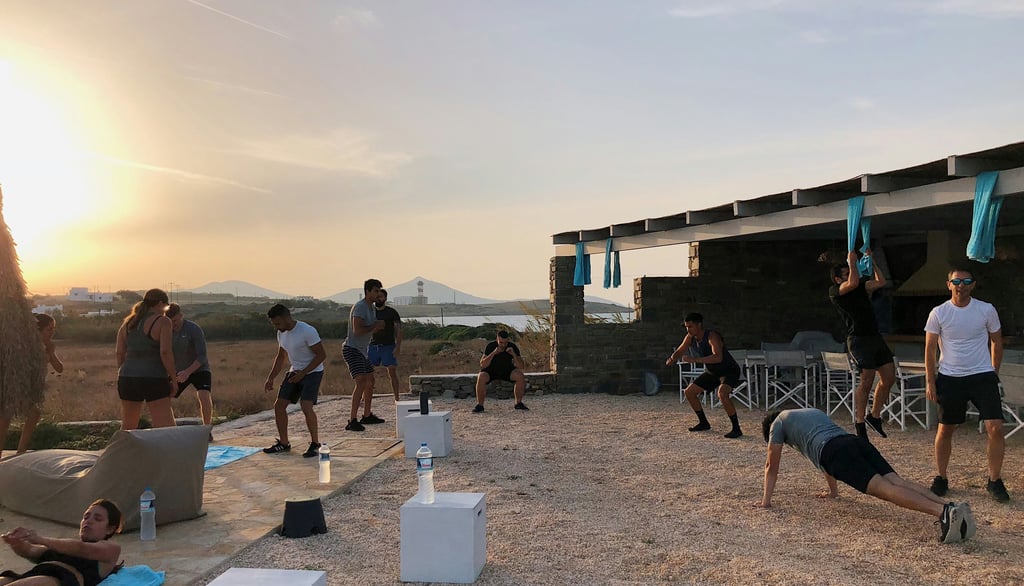
Community-based fitness programs are structured exercise opportunities designed for groups of people, often in local gyms, parks, or online communities. They include:
Group strength or cardio classes
Outdoor boot camps and running clubs
Virtual group workouts via apps and live streaming
Social challenges or charity fitness events
These programs leverage social support, accountability, and fun to enhance engagement and long-term adherence. (nih.gov)
Why Social Workouts Are Trending in 2026
1. Motivation Through Connection
Humans are social creatures. Working out in groups or with friends increases motivation and consistency, especially for beginners or those returning to fitness. (pubmed.ncbi.nlm.nih.gov)
2. Improved Mental Health
Group workouts reduce stress, anxiety, and depression by fostering community, providing social support, and releasing endorphins. Social engagement itself is protective against cognitive decline and mood disorders. (who.int)
3. Accountability and Adherence
Participants are more likely to stick to their routines when workouts are part of a group commitment. Peer encouragement and scheduled classes create a structure that reinforces regular activity. (acefitness.org)
4. Inclusive and Accessible
Community programs can be low-cost or free, adaptable for all ages and fitness levels, and tailored to local needs, making fitness more equitable and widespread. (nih.gov)
Popular Types of Social Workouts
1. Outdoor Boot Camps and Group Runs
Park-based sessions that combine cardio, strength, and mobility while fostering a sense of teamwork.
2. Virtual Fitness Communities
Apps and live-stream platforms allow participants to connect and compete globally, offering challenges, leaderboards, and social recognition.
3. Charity and Cause-Based Fitness Events
5K runs, walkathons, or cycling events provide purpose-driven motivation while building community impact.
4. Team Sports and Functional Group Training
Basketball, soccer, and functional circuit training promote competition, collaboration, and skill development, making exercise more engaging. (acefitness.org)
Benefits of Community-Based Fitness Programs
Enhanced adherence and consistency due to social support
Mental health improvements through community and endorphins
Reduced loneliness and increased social engagement
Improved functional fitness through group challenges and varied exercises
Fun and motivation, making exercise less intimidating for beginners (pubmed.ncbi.nlm.nih.gov)
Tips to Maximize Social Workouts
Join a group that matches your fitness level to avoid injury or frustration.
Participate regularly to build relationships and accountability.
Combine social workouts with individual training for balance and progress.
Engage in both in-person and virtual communities to diversify social support.
Celebrate milestones together to strengthen motivation and community bonds. (nih.gov)
Conclusion: Fitness Is Becoming Social in 2026
Community-based fitness programs represent a shift from isolated exercise to social movement. Social workouts increase adherence, improve mental and physical health, and foster a sense of belonging and purpose. Whether in local parks, gyms, or online, participating in group activities ensures that fitness is more motivating, inclusive, and sustainable.
As 2026 progresses, the rise of community-focused fitness highlights a simple truth: we achieve more, and enjoy it more, when we move together.
Contact
Questions? Reach out anytime, we're here to help.
© 2025. All rights reserved.

