Can Clothes Trigger Allergies? Spring Edition
Can your clothes cause allergies? Discover triggers, symptoms, and smart tips to stay irritation-free this spring. Read now!
3/31/20263 min read
🌸 Can Your Clothes Trigger Allergies? Spring Edition
🌿 Introduction
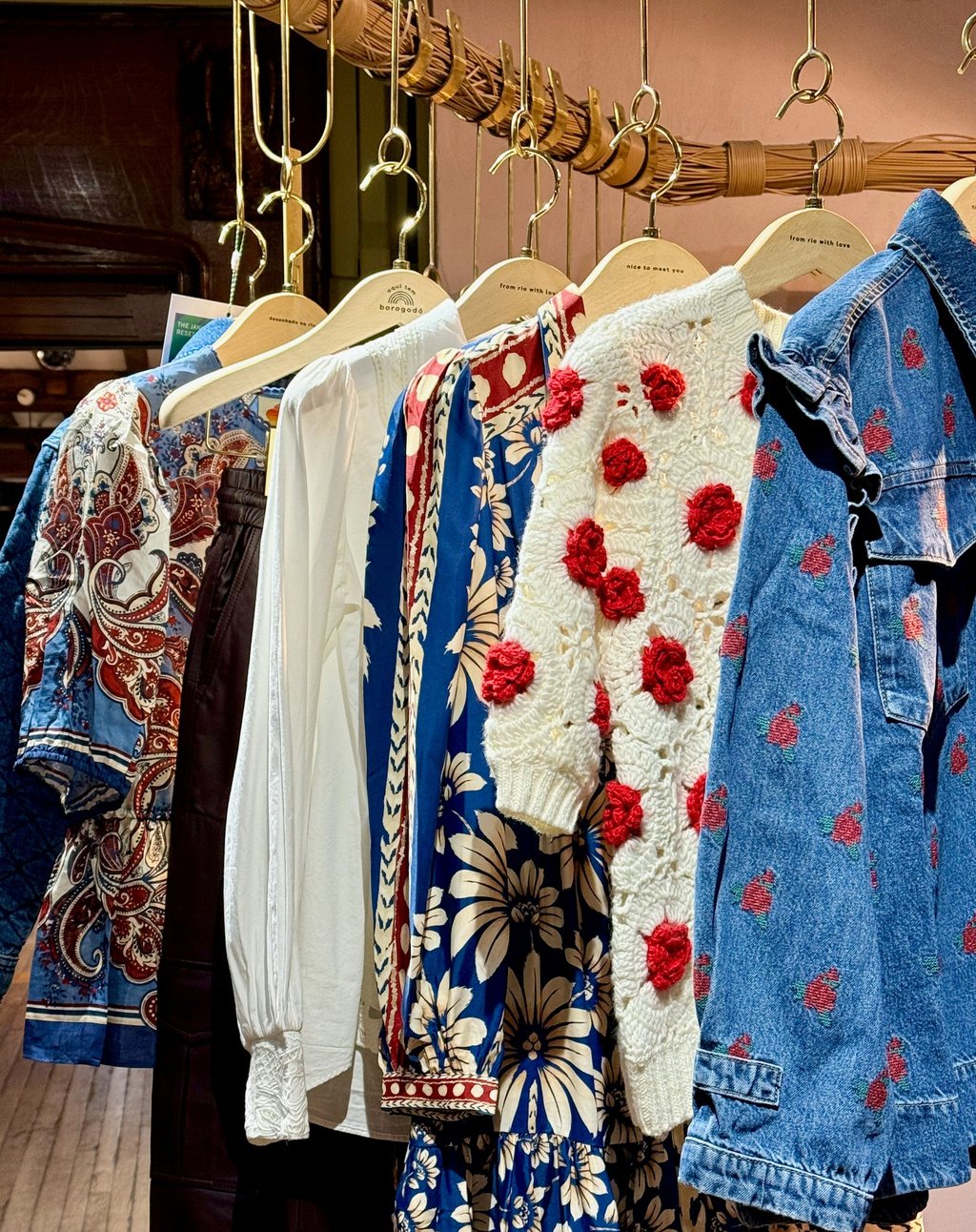
Spring Edition fashion brings lighter fabrics, vibrant colors, and fresh styles—but it may also introduce unexpected health concerns. Many people don’t realize that their clothing choices can contribute to allergic reactions, especially during spring when environmental allergens are already high.
From synthetic fibers to chemical dyes, your wardrobe can directly impact your skin and respiratory health. In this Spring Edition guide, we’ll explore how clothes can trigger allergies, the science behind these reactions, and practical ways to protect yourself while still enjoying seasonal fashion.
🌼 Understanding Clothing-Related Allergies
Clothing-related allergies are more common than most people think. These reactions are often linked to a condition known as Contact Dermatitis.
🧪 What Causes These Allergies?
Allergic reactions from clothing typically occur when the skin comes into contact with:
Fabric fibers
Chemical treatments
Laundry residues
When exposed, the immune system reacts, leading to inflammation, itching, or rashes—especially during the Spring Edition months when skin is more exposed.
📊 How Common Are Clothing Allergies?
According to the American Academy of Dermatology, millions of people experience contact dermatitis annually
Around 15–20% of the global population has sensitive skin prone to irritation
Spring increases exposure due to sweating and environmental allergens
This makes awareness crucial during the Spring Edition season.
🌬️ Why Spring Makes Allergies Worse
Spring is already known for triggering allergies due to pollen and environmental factors.
🌸 The Role of Pollen
Pollen can cling to clothing fibers and be carried indoors, prolonging exposure.
Combined Triggers:
Pollen + sweat
Heat + synthetic fabrics
Dust + tight clothing
These combinations amplify allergic reactions in the Spring Edition period.
👗 Common Clothing Triggers of Allergies
❌ 1. Synthetic Fabrics
Materials like polyester and nylon:
Trap heat and moisture
Increase sweating
Irritate sensitive skin
They are a major cause of discomfort in Spring Edition wardrobes.
❌ 2. Fabric Dyes and Chemicals
Bright spring colors often come with chemical dyes.
Harmful Substances:
Azo dyes
Formaldehyde resins
Finishing agents
These chemicals can trigger contact dermatitis and worsen allergies.
❌ 3. Tight or Non-Breathable Clothing
Tight clothes increase friction and trap allergens close to the skin.
Reduces airflow
Increases irritation
Promotes bacterial growth
❌ 4. Laundry Detergents & Softeners
Residues from detergents can irritate the skin.
Fragrances
Preservatives
Harsh cleaning agents
These are common but overlooked triggers in the Spring Edition.
❌ 5. Wool and Rough Textures
Some natural fabrics can still irritate:
Coarse wool fibers
Poor-quality blends
They can aggravate sensitive skin during spring.
🌿 Symptoms of Clothing-Related Allergies
Recognizing symptoms early is key to prevention.
Common Signs:
Redness
Itching
Rashes
Burning sensation
Dry or flaky skin
These symptoms often appear in areas where clothing fits tightly or traps sweat.
🌸 Best Fabrics to Prevent Allergies
🌿 1. Cotton
Soft and breathable
Hypoallergenic
Ideal for daily wear
🌼 2. Bamboo
Naturally antibacterial
Moisture-wicking
Gentle on sensitive skin
🌬️ 3. Linen
Lightweight
Allows airflow
Reduces sweat buildup
These fabrics are excellent choices for staying allergy-free in the Spring Edition.
🧴 How to Prevent Clothing-Related Allergies
🌿 1. Wash New Clothes Before Wearing
New clothes often contain chemicals from manufacturing.
🌸 2. Choose Fragrance-Free Detergents
Look for:
Hypoallergenic labels
Dermatologist-tested products
🌼 3. Avoid Tight Clothing
Loose-fitting clothes:
Improve airflow
Reduce friction
🌬️ 4. Keep Clothes Clean
Regular washing removes:
Pollen
Dust
Sweat
🌿 5. Store Clothes Properly
Use clean, dry spaces to prevent dust accumulation.
🌞 Secondary Keywords in Context
To enhance your protection during spring, consider:
Clothing allergies symptoms
Hypoallergenic fabrics for spring
How to prevent skin allergies
Best fabrics for sensitive skin
Spring allergy triggers clothing
These strategies help reduce allergy risks in the Spring Edition.
📊 Evidence & Scientific Insights
The World Health Organization highlights environmental allergens as a major contributor to skin conditions
Studies show synthetic fabrics can increase skin temperature, worsening irritation
Dermatologists recommend breathable fabrics to reduce allergy risks
🔗 Internal Linking Suggestions
Enhance your knowledge with more expert content:
Read our article about “Best Materials to Avoid Sweating & Skin Irritation”
Discover “How to Protect Your Skin While Wearing Light Spring Fabrics”
❓ FAQ: Clothing Allergies (Spring Edition)
1. Can clothes really trigger allergies?
Yes. Fabrics, dyes, and detergents can cause skin reactions and irritation.
2. What is the most common clothing allergy?
Contact dermatitis caused by chemicals or synthetic fabrics.
3. Are natural fabrics always safe?
Not always. Some, like wool, can still irritate sensitive skin.
4. How do I know if my clothes cause allergies?
Look for symptoms like itching or redness after wearing certain fabrics.
5. How can I prevent clothing-related allergies in spring?
Choose breathable fabrics, wash clothes properly, and avoid harsh chemicals.
🌸 Conclusion
The Spring Edition of your wardrobe should bring comfort and confidence—not irritation. Understanding how clothes can trigger allergies empowers you to make smarter choices for your health.
By selecting breathable fabrics, avoiding harmful chemicals, and maintaining proper hygiene, you can enjoy the season without discomfort.
🌿 Call to Action
Ready to upgrade your wardrobe for better health?
Explore more expert-backed tips on HealthInteligence.com and discover how to stay stylish, comfortable, and allergy-free this spring! 🌸
Contact
Questions? Reach out anytime, we're here to help.
© 2025. All rights reserved.

