Budget Cuts vs Public Health Crises: Key Impacts
Discover how budget cuts worsen public health crises, affect healthcare systems, and increase risks during emergencies. Learn key global insights.
3/23/20264 min read

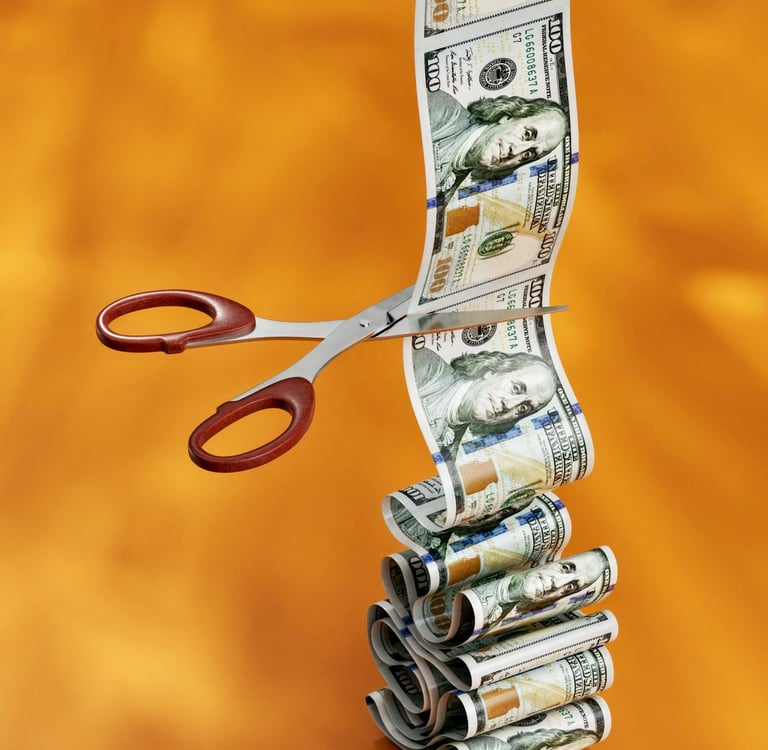
Budget Cuts vs Public Health Crises
Introduction
Public health crises are often unpredictable, fast-moving, and resource-intensive. Whether dealing with pandemics, natural disasters, or disease outbreaks, strong healthcare systems are essential for protecting populations. However, when governments implement budget cuts—especially in healthcare and public health infrastructure—the consequences can be severe.
The relationship between budget cuts and public health crises has become increasingly evident in recent years. Reduced funding can weaken emergency response, limit access to care, and ultimately worsen health outcomes. In this article, we explore how financial decisions impact public health crises and what lessons policymakers must learn to prevent future failures.
Understanding Public Health Crises
What Are Public Health Crises?
Public health crises refer to events that pose significant threats to population health, including:
Infectious disease outbreaks
Pandemics
Environmental disasters
Healthcare system overload
Organizations such as the World Health Organization play a key role in monitoring and responding to public health crises globally.
The Role of Government Funding in Public Health
Why Funding Matters
Adequate funding is the backbone of effective public health systems. Governments allocate budgets to:
Hospitals and clinics
Disease surveillance programs
Emergency preparedness
Healthcare workforce training
Without sufficient investment, countries struggle to respond effectively to public health crises.
Impact of Budget Cuts on Healthcare Systems
Budget cuts often target public services during economic downturns, but reducing healthcare funding can have long-term consequences.
Key Effects
Reduced hospital capacity
Staff shortages
Limited access to essential services
Delayed emergency responses
Statistic
According to global health data, countries that reduced public health spending experienced slower recovery rates during major public health crises.
How Budget Cuts Worsen Public Health Crises
1. Weakened Emergency Preparedness
Preparedness is critical for managing public health crises. Budget cuts can reduce investments in:
Stockpiling medical supplies
Training emergency response teams
Developing early warning systems
Real-World Insight
Countries with underfunded preparedness systems faced significant challenges during the COVID-19 pandemic.
2. Reduced Access to Healthcare Services
Budget cuts often result in:
Closure of healthcare facilities
Increased wait times
Limited availability of treatments
This makes it harder for populations to receive timely care during public health crises.
3. Increased Health Inequality
Financial constraints disproportionately affect vulnerable populations, widening health disparities.
Impact
Low-income communities face higher risks
Rural areas experience reduced access to care
Preventive services are often cut
4. Delayed Response to Outbreaks
Early intervention is critical in controlling public health crises. Budget cuts can delay:
Disease detection
Testing and diagnosis
Implementation of containment measures
5. Strain on Healthcare Workforce
Healthcare workers are essential during crises, but funding cuts can lead to:
Burnout and staff shortages
Reduced training opportunities
Lower morale
Economic Trade-Offs: Short-Term Savings vs Long-Term Costs
The Illusion of Savings
While budget cuts may provide short-term financial relief, they often lead to higher costs in the long run.
Why?
Increased emergency spending during crises
Higher hospitalization rates
Economic losses due to workforce illness
Statistic
Global estimates show that pandemics can cost the world economy trillions of dollars, far exceeding the cost of preventive healthcare investment.
Investing in Prevention
Investing in preventive healthcare measures—such as vaccination, early detection, and public education—can significantly reduce the impact of public health crises.
Case Study: Lessons from COVID-19
Underfunded Systems Struggled More
During the COVID-19 pandemic, countries with reduced healthcare funding faced:
Overwhelmed hospitals
Shortages of medical supplies
Higher mortality rates
Well-Funded Systems Performed Better
Countries that maintained strong public health investments were better equipped to:
Scale testing and treatment
Implement effective containment strategies
Protect healthcare workers
Global Perspective on Public Health Funding
High-Income vs Low-Income Countries
High-income countries generally have stronger healthcare systems but still face challenges during large-scale crises
Low-income countries often struggle with limited resources, making them more vulnerable to public health crises
Role of International Organizations
Organizations like the World Health Organization and the World Bank support countries by providing funding, guidance, and technical assistance.
Policy Recommendations for Future Preparedness
1. Protect Public Health Budgets
Governments should prioritize healthcare funding, even during economic downturns.
2. Strengthen Healthcare Infrastructure
Invest in hospitals, technology, and workforce development.
3. Focus on Preventive Care
Preventive measures reduce the severity and cost of public health crises.
4. Enhance Global Cooperation
Collaboration between countries improves response efficiency.
5. Use Data-Driven Decision Making
Evidence-based policies lead to better outcomes during public health crises.
FAQ: Budget Cuts and Public Health Crises
1. How do budget cuts affect public health crises?
Budget cuts reduce resources for healthcare systems, leading to slower responses and worse outcomes during crises.
2. Why is funding important for public health?
Funding supports infrastructure, workforce, and preventive measures essential for managing public health crises.
3. Do budget cuts increase health inequality?
Yes, they disproportionately affect vulnerable populations, widening disparities in healthcare access.
4. What is the long-term impact of reduced healthcare spending?
It leads to higher costs, increased disease burden, and weaker healthcare systems.
5. How can governments prevent public health crises?
By investing in preventive care, strengthening healthcare systems, and maintaining adequate funding.
Internal Linking Suggestions
Read our article about “Politics Behind Pandemic Response (COVID-19 Lessons)”
Explore “How Political Decisions Influence Vaccination Programs”
Check out “The Role of World Health Organization in Global Health Policy”
Conclusion
The link between budget cuts and public health crises is clear: reducing investment in healthcare weakens a country’s ability to respond to emergencies and protect its population. While budget cuts may seem necessary during economic challenges, they often lead to greater costs—both financially and in human lives.
To build resilient healthcare systems, governments must prioritize long-term investment, strengthen infrastructure, and focus on prevention. Only then can we effectively manage and mitigate future public health crises.
References
World Health Organization (WHO): https://www.who.int
World Bank Health Data: https://data.worldbank.org
OECD Health Statistics: https://www.oecd.org/health
Our World in Data: https://ourworldindata.org
Call to Action
Want to stay informed about global health challenges and policy decisions that impact your life? Visit HealthInteligence.com for expert insights, in-depth analysis, and evidence-based content. Explore more today and stay ahead in the world of health.
Contact
Questions? Reach out anytime, we're here to help.
© 2025. All rights reserved.

