Anti-Obesity Drugs & Weight-Loss Medications
Over the last two years, anti-obesity drugs have taken over social media, fitness conversations, and even mainstream news. Medications like Ozempic, Wegovy, Zepbound, and Mounjaro are trending everywhere — praised by some as revolutionary and criticized by others for their risks. But what’s behind the hype? And what should you know before considering these medications? This blog breaks down everything in a clear, balanced, and science-backed way.
11/22/20252 min read
1. Why Anti-Obesity Drugs Are Exploding in Popularity
Today’s weight-loss medications are more effective than any previous generation. Unlike older appetite suppressants, new GLP-1 medications work by:
Slowing digestion
Reducing appetite
Improving blood sugar control
Influencing hunger-related brain receptors
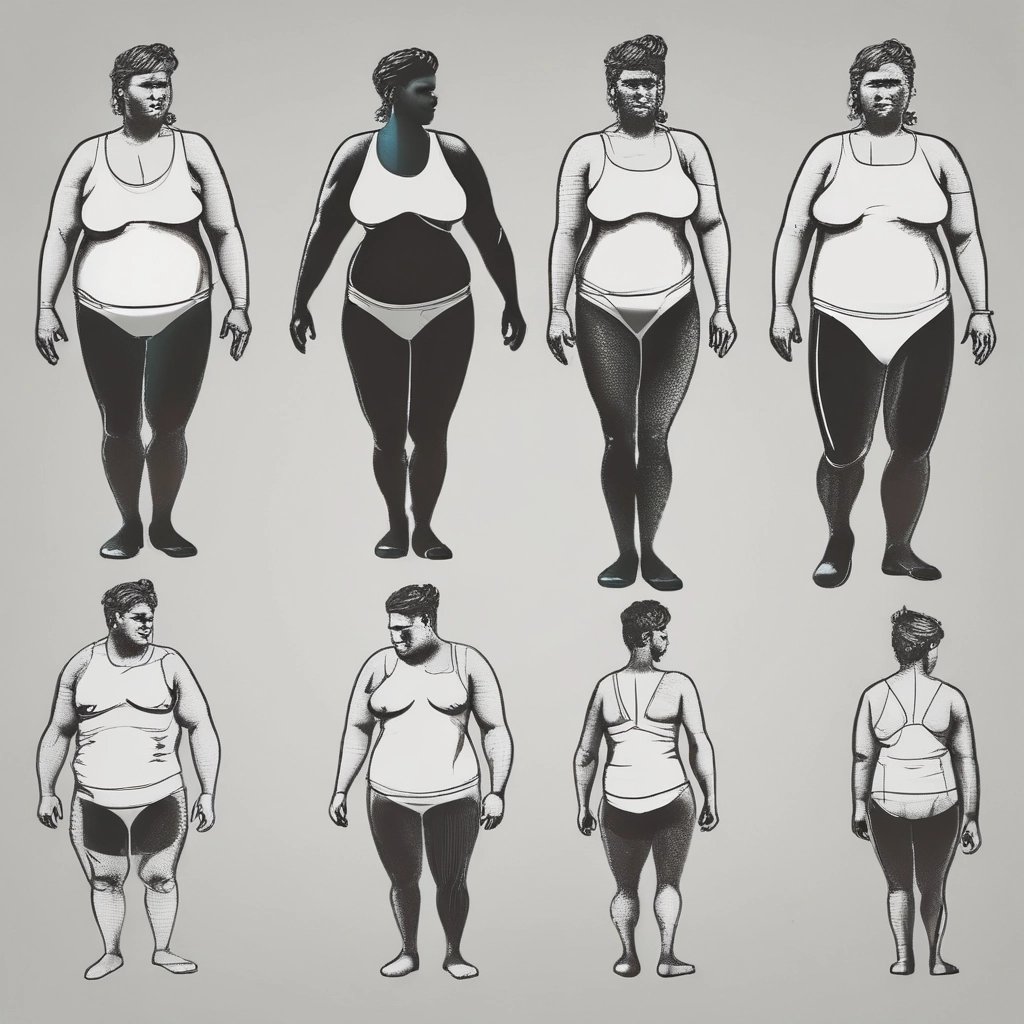
People on social media share dramatic before-and-after photos, often losing 10–20% of their body weight. This creates a massive online conversation — but it can also create unrealistic expectations.
2. The Most Popular Weight-Loss Medications in 2025
1. Wegovy (Semaglutide)
Weekly injection
Average weight loss: 15% or more of body weight
Originally developed for diabetes
2. Mounjaro / Zepbound (Tirzepatide)
Newer dual-hormone medication
Often more potent than semaglutide
Average weight loss: 20%+
3. Ozempic
Designed for diabetes, but used off-label for weight loss
Not officially approved for obesity, but widely used
4. Oral GLP-1 Pills (New in 2025)
More convenient than injections
Becoming increasingly available
3. The Benefits: Why Doctors Are So Interested
These medications don’t just help people look slimmer — they improve health in measurable ways:
Lower risk of type 2 diabetes
Reduced inflammation
Lower blood pressure
Better cholesterol levels
Improved mobility for people with obesity
For many, the physical health improvements matter even more than appearance.
4. The Challenges & Side Effects
Although widely praised, weight-loss drugs are not perfect. Common side effects include:
Nausea
Bloating
Digestive discomfort
Fatigue
Appetite loss that can lead to under-eating
More serious risks (less common):
Gallbladder issues
Severe vomiting
Muscle-loss due to rapid weight reduction
This is why medical guidance is crucial — these drugs aren’t meant for everyone.
5. The Real Debate: Are We Creating a “Quick Fix” Culture?
Online, these medications often spark two extremes:
• Supporters say they reduce shame and give hope to people who struggled for years.
• Critics argue they encourage shortcuts and could increase dependency.
A balanced view:
Medication can be a tool, but it works best combined with nutrition, strength training, and lifestyle changes to prevent muscle loss and regain.
6. Who Are These Medications Designed For?
Doctors usually prescribe them if:
BMI is ≥ 30
OR ≥ 27 with conditions like diabetes or hypertension
Lifestyle changes alone haven’t worked
They aren’t meant for casual weight loss in already-healthy individuals — despite how they appear online.
7. The Future: What’s Coming Next?
By 2026–2027, expect:
Pills instead of injections
Drugs that protect muscle while burning fat
Personalized dosing based on genetic analysis
Combination therapies for even stronger results
The weight-loss medication industry is evolving rapidly — and it’s not slowing down.
Conclusion: A Powerful Tool, Not a Magic Solution
Anti-obesity medications are changing lives and reshaping the health landscape. They offer real benefits, but they also come with responsibilities: medical supervision, lifestyle balance, and realistic expectations.
If you’re considering these medications, always consult a professional — and remember: the goal isn’t just losing weight, but gaining health, confidence, and long-term well-being.
Contact
Questions? Reach out anytime, we're here to help.
© 2025. All rights reserved.

