AI Meets Wellness: How Digital Health Tools Are Changing Self-Care
Technology isn’t just transforming the way healthcare is delivered — it’s fundamentally reshaping how we manage our own wellbeing. From AI-enhanced health monitoring to smart wellness tools and digital mental health support, digital health innovations are empowering individuals to take control of their health like never before. In this blog, we’ll explore the most impactful ways artificial intelligence (AI) and digital tools are revolutionizing self-care in 2026.
1/14/20263 min read
📈 Why AI and Digital Health Tools Matter in Self-Care
In an era where wellness is both a priority and a challenge, digital health tools driven by AI are filling gaps traditional care can’t always address. These tools make health management more personalized, accessible, and proactive, equipping users with real-time insights and tailored recommendations that support better daily habits and long-term outcomes. (Meditechnika)
🤖 1. Personalized Health Insights Through AI Monitoring
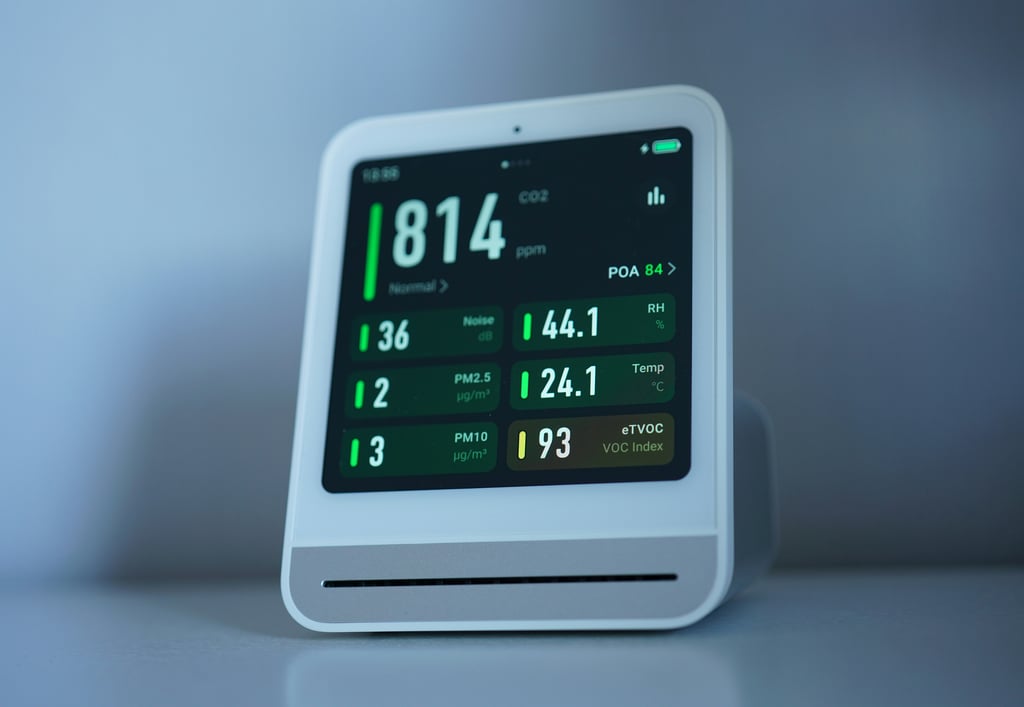
AI-powered health monitoring tools — including wearables, mobile apps, and smart devices — collect vital data such as heart rate, sleep quality, physical activity, and stress indicators. Algorithms then translate this data into actionable insights, helping users understand their wellness patterns and make informed lifestyle choices. (watsons.co.id)
Examples include:
Smart rings and watches that track sleep and recovery.
Apps that correlate lifestyle data with health outcomes.
Smart wellness devices that interpret physical signals for early risk detection.
This shift toward continuous health awareness supports proactive self-care rather than reactive responses to illness. (myhealthtechtalk.com)
📊 2. AI-Enhanced Tools That Empower Everyday Wellness
Leading brands and startups are building AI tools designed specifically for everyday self-care:
AI wellness mirrors that analyze facial data and offer lifestyle guidance using advanced imaging and predictive models. (T3)
Nutrition and fitness apps powered by AI that tailor diet and exercise plans to individual health goals. (Global Wellness Institute)
Automated health reminder systems that help you stay consistent with medication, hydration, activity, and sleep.
These tools are making smart wellness guidance affordable and accessible, bringing data-driven health insights into everyday living.
🧠 3. Digital Mental Health Support, Anytime, Anywhere
Digital mental health platforms use conversational AI to offer emotional support, stress-management techniques, and therapeutic exercises. Tools such as AI-based chatbots provide on-demand mental wellbeing guidance, making self-care more accessible — especially for those hesitant about traditional therapy. (Wikipédia)
Unlike static content or forums, intelligent support systems adapt to users’ emotional states and personalized needs, which helps sustain long-term mental wellness practices. (Blog MMB)
🏥 4. Integrated Health Platforms for 360° Self-Care Management
New digital health initiatives are expanding beyond single metrics to offer holistic health dashboards. For example:
Tools that connect your medical records with wellness apps for personalized health tracking and guidance. (Business Insider)
Platforms combining data from wearables, labs, fitness apps, and symptom checkers to present a unified health profile. (Meditechnika)
This integration helps people see big-picture health trends and understand how lifestyle choices influence overall wellbeing.
🚑 5. Telehealth and AI: Bridging the Gap Between Self-Care and Professional Support
AI isn’t replacing healthcare professionals — it’s enhancing the way people prepare for and interact with medical systems. AI tools help users collect reliable health data, ask informed questions, and stay better organized for doctor visits. (Windows Central)
In addition, telehealth services enhanced with AI triage tools can guide you to the right resource faster while minimizing unnecessary appointments, saving time and stress.
📌 What This Means for Your Self-Care Routine
Digital health tools powered by AI are democratizing access to customized wellness advice, smoothing transitions between self-tracking and clinical care, and helping people make smarter health decisions every day. As these technologies evolve throughout 2026, they’ll continue to:
✔ Promote preventive wellness
✔ Personalize health insights
✔ Support mental wellbeing
✔ Strengthen user engagement
✔ Improve long-term outcomes
Embracing these tools means more confidence in your daily self-care — and a deeper understanding of your health journey.
🧠 Conclusion
AI and digital health tools are redefining self-care. By turning complex health data into meaningful, personalized action steps, these technologies empower people to take ownership of their wellness like never before. Whether you’re tracking your sleep, managing stress, or preparing for clinical consultations, digital tools are helping you stay healthier, happier, and more informed every day.
📚 Sources
Digital health trends shaping care delivery and patient empowerment. (Meditechnika)
How AI agents and technology will transform healthcare in 2026. (BCG Global)
Top health & wellness trends and AI-powered monitoring tools. (watsons.co.id)
Smart wellness tools like AI health mirrors unveiled at tech events. (T3)
Digital mental health platforms like AI-based conversational support tools. (Wikipédia)
New integrated health platforms connecting medical records and wellness data. (tomsguide.com)
AI personalized guidance and coaching insights for self-care. (Global Wellness Institute)
Contact
Questions? Reach out anytime, we're here to help.
© 2025. All rights reserved.

