AI & Technology in Healthcare 2026: Smarter, Faster, More Personal Care
Explore how AI and technology are transforming healthcare in 2026—from early diagnosis and personalized treatment to wearables, virtual care, and preventive medicine.
1/5/20262 min read
Healthcare Is Entering Its Smartest Era Yet
In 2026, healthcare is no longer reactive. Thanks to artificial intelligence and advanced technology, the focus is shifting toward early detection, personalization, and prevention.
AI isn’t replacing doctors — it’s enhancing human care, reducing errors, saving time, and helping people manage their health before problems become serious.
Why AI & Technology Matter More Than Ever in Healthcare
Healthcare systems worldwide face rising challenges:
Growing chronic disease rates
Shortage of healthcare professionals
Increasing costs
Demand for personalized care
AI and digital health technologies offer scalable solutions that improve outcomes while reducing strain on systems.
Key AI & Technology Trends in Healthcare for 2026
1. AI-Powered Early Diagnosis
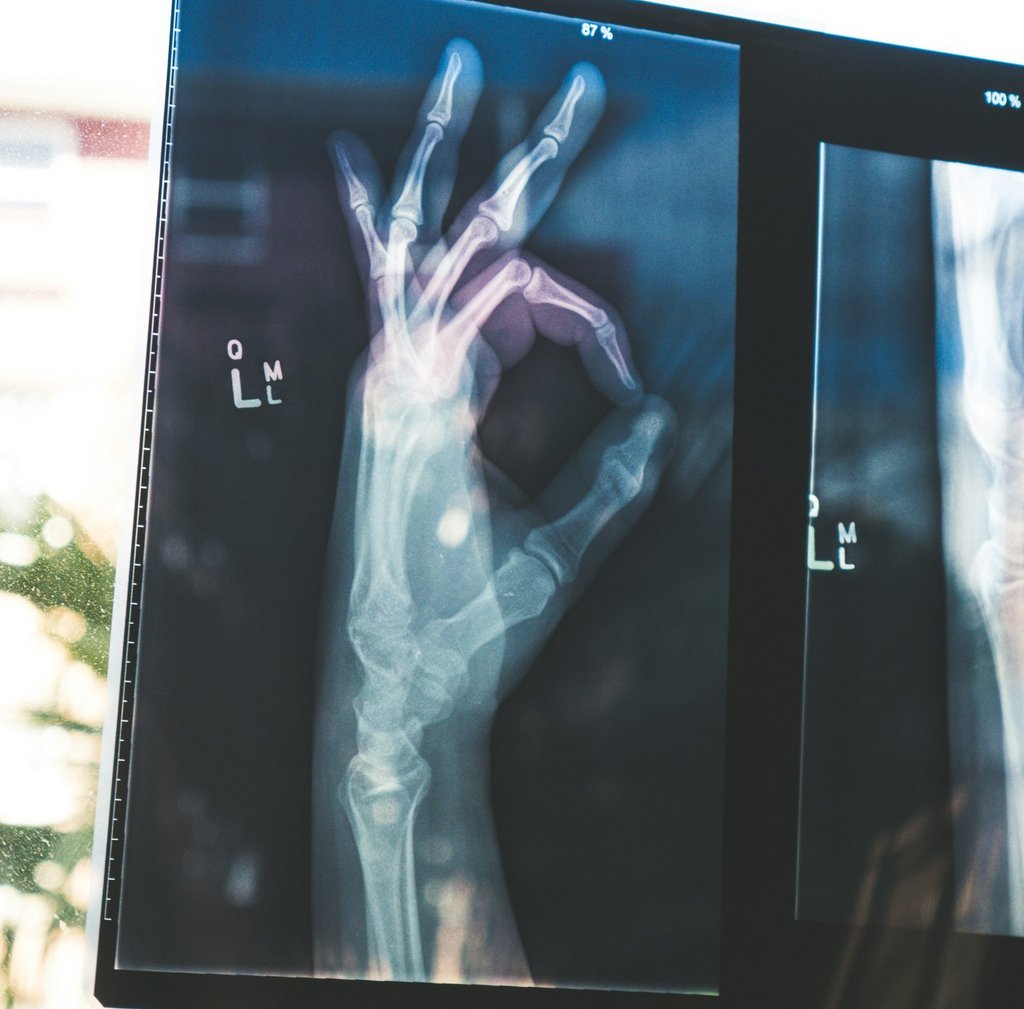
One of the most impactful uses of AI in healthcare is early disease detection.
AI systems now assist in:
Analyzing medical imaging
Detecting cancer and cardiovascular risks earlier
Identifying patterns humans may miss
Early diagnosis leads to faster treatment, better outcomes, and lower healthcare costs.
2. Personalized & Predictive Medicine
AI analyzes large amounts of health data — including genetics, lifestyle, and biomarkers — to create personalized treatment plans.
This shift allows healthcare providers to:
Predict disease risk
Customize medication and dosage
Design personalized nutrition and lifestyle plans
Healthcare is becoming predictive instead of reactive.
3. Wearable Health Technology
Wearables are now core healthcare tools, not just fitness accessories.
They track:
Heart rate variability (HRV)
Sleep quality
Stress levels
Activity and recovery
This continuous data helps individuals and clinicians monitor health trends in real time.
4. Virtual Care & Telemedicine
Telehealth continues to expand in 2026, offering:
Virtual doctor visits
Remote patient monitoring
Digital mental health support
Chronic disease management from home
Technology is improving access to care, especially in underserved or remote areas.
5. AI in Mental Health Care
AI-driven tools support mental health by offering:
Early stress and burnout detection
AI-guided therapy and journaling
Mood tracking and emotional insights
These tools complement traditional therapy and increase access to mental health support.
How Technology Is Changing the Patient Experience
Modern healthcare is becoming:
More accessible
More personalized
More transparent
Patients now have greater control over their health data, clearer insights into their bodies, and easier communication with providers.
AI & Healthcare Professionals: A Collaborative Future
AI is not replacing healthcare professionals — it’s supporting them by:
Automating administrative tasks
Reducing documentation burden
Assisting with diagnostics
Improving clinical decision-making
This allows professionals to spend more time on human-centered care.
Data Privacy & Ethical AI in Healthcare
With increased data use comes responsibility.
Key priorities in 2026 include:
Patient data protection
Ethical AI development
Transparency in algorithms
Bias reduction in health data
Trust is essential for the future of digital health.
What the Future of Healthcare Looks Like
Healthcare in 2026 focuses on:
✅ Prevention over treatment
✅ Personalization over generalization
✅ Continuous monitoring over occasional checkups
✅ Collaboration between humans and AI
Technology is becoming a health partner, not just a tool.
AI & Technology in Healthcare FAQs
Is AI safe in healthcare?
When properly regulated and ethically designed, AI improves accuracy, safety, and efficiency in medical care.
Will AI replace doctors?
No. AI supports decision-making, but human judgment, empathy, and ethics remain essential.
How does AI help everyday people?
Through early risk detection, personalized insights, wearable data, and easier access to care.
Final Thoughts: Smarter Care, Better Outcomes
AI and technology are transforming healthcare into a system that is more proactive, more personal, and more accessible.
The future of medicine isn’t about machines replacing humans —
it’s about technology empowering better health decisions.
Healthcare is no longer just about treating illness.
It’s about protecting well-being before disease begins.
Contact
Questions? Reach out anytime, we're here to help.
© 2025. All rights reserved.

