Active Aging Fitness Programs: The Fastest-Growing Workout Trend of 2026
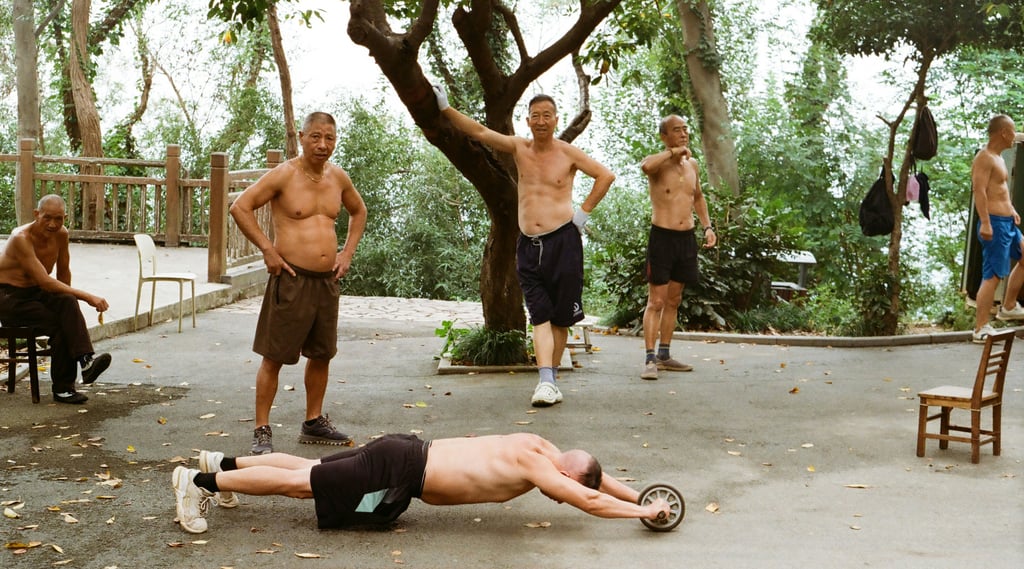
In 2026, active aging fitness programs have surged to the forefront of the health and wellness world — driven by demographic shifts, new research on longevity, and a fundamental rethinking of what aging well really means. No longer framed as a period of decline, aging is now recognized as a stage of life where strength, balance, mobility, independence, and joy can be cultivated through tailored fitness approaches. This emerging focus has made active aging one of the fastest-growing workout trends of the year.
1/19/20263 min read
Why Active Aging Is Dominating Fitness in 2026
🧓 Booming Older Adult Participation
According to the American College of Sports Medicine’s (ACSM) 2026 fitness trends report, fitness programs for older adults rank among the top emerging trends — second only to wearable technology in popularity across demographics. This reflects a significant rise in older adults visiting gyms, studios, and community centers for structured exercise. (recmanagement.com)
With the global population aging rapidly, there’s rising demand for evidence-based, age-appropriate exercise options that support functional ability and quality of life. (Calm by Wellness)
What Active Aging Fitness Programs Look Like Today
Active aging fitness is distinguished by its focus on function over intensity, helping older adults stay independent and feel better in daily life. Common elements include:
✔️ Balance and Fall Prevention
Senior-focused programs emphasize balance training through exercises such as Tai Chi and gentle stability drills to reduce fall risk — a major health concern for older adults. (fitnessnav.com)
✔️ Strength and Mobility Workouts
Safe resistance training (with bodyweight, bands, or machines) helps maintain muscle mass, bone density, and joint flexibility — which are essential for activities like climbing stairs or carrying groceries. (recmanagement.com)
✔️ Low-Impact Cardio
Activities like walking groups, water aerobics, and cycling offer heart-healthy movement that’s easier on the joints. (All Seniors Foundation)
✔️ Functional Movement Training
Functional exercises mimic everyday motions — making tasks like standing up from a chair or bending to pick up objects easier and safer. (Calm by Wellness)
✔️ Mind-Body Integration
Gentle modalities such as Tai Chi, Qi Gong, and yoga improve flexibility, mental focus, and stress regulation while enhancing coordination. (All Seniors Foundation)
Community and Technology Boosting Participation
Active aging fitness programs are thriving not just because of physical benefits, but also because they foster social connection and mental engagement — both vital for overall wellbeing:
👥 Group Classes and Social Engagement
Community exercise classes encourage social interaction, help reduce isolation, and offer accountability that keeps people motivated. (All Seniors Foundation)
📱 Wearables and Smart Monitoring
Wearable technology now integrates seamlessly with fitness routines, tracking movement, heart rate, and sleep to motivate and optimize older adult exercise. (All Seniors Foundation)
🌐 Hybrid and Digital Options
Many programs offer both in-person and online options, expanding access for those with mobility or transportation challenges. (All Seniors Foundation)
Benefits of Active Aging Fitness Programs
Research and community reports show substantial benefits for participants:
🧠 Improves Mental Health and Cognition
Regular activity — especially when combined with cognitive engagement and social interaction — is linked with better mood, memory, and slower cognitive decline. (All Seniors Foundation)
💪 Supports Physical Function and Longevity
Strength and balance training reduce disability risk and support independence into later life. (recmanagement.com)
❤️ Boosts Cardiovascular and Metabolic Health
Low-impact cardio and strength work contribute to heart health and metabolic stability — reducing risks for conditions like diabetes and cardiovascular disease. (Calm by Wellness)
Real Stories Highlight the Trend
People across the age spectrum are challenging stereotypes about aging:
A 96-year-old woman who began CrossFit in her 80s now deadlifts weight far beyond what many expect at her age, illustrating the power of strength training for older adults. (The Guardian)
An 83-year-old personal trainer continues to lift, walk, bike, and stay active, emphasizing that it’s never too late to prioritize movement. (Tom's Guide)
These stories reflect a broader cultural shift: aging doesn’t mean slowing down — it means training smarter and with purpose.
How to Start an Active Aging Fitness Routine
Here are actionable tips for older adults or those planning for long-term fitness:
🏃♂️ Start With Functional Basics
Begin with simple balance and mobility exercises like chair stands and gentle stretching. (Calm by Wellness)
💪 Embrace Strength Work
Incorporate resistance bands or light weights 2–3 times per week to build muscle and protect bone health. (recmanagement.com)
🚶♀️ Stay Consistent With Low-Impact Cardio
Aim for regular walking, cycling, or water aerobics that keeps your heart healthy without stressing joints. (All Seniors Foundation)
🤝 Join a Group or Community Class
Staying active socially boosts motivation and makes exercise more enjoyable. (All Seniors Foundation)
Conclusion: Active Aging Is Fitness’s Future
Active aging is far more than just a trend — it’s a revolution in how we approach lifelong health. With tailored programming, community support, and smart integration of technology, older adults are embracing fitness in ways that enhance independence, vitality, and quality of life well into later years. As 2026 unfolds, active aging programs stand out not just for their growth, but for their positive, life-affirming impact on individuals and communities alike. (recmanagement.com)
Contact
Questions? Reach out anytime, we're here to help.
© 2025. All rights reserved.

