ACL Injuries Explained: Recovery Timeline Guide
Learn what ACL injuries are, recovery timelines, treatment options, and rehab tips to safely return to sport. Expert insights inside.
4/10/20263 min read
ACL Injuries Explained (and Recovery Timelines)
Introduction
An ACL injury is one of the most serious and common knee injuries in sports—especially in football, basketball, and skiing. Whether you’re an athlete or simply active, understanding how an ACL injury happens and what recovery looks like is essential for long-term joint health.
High-profile athletes like Zlatan Ibrahimović and Virgil van Dijk have faced ACL injuries and made successful comebacks, but recovery requires time, discipline, and proper medical care.
In this guide, we’ll break down everything you need to know about ACL injuries—including causes, symptoms, treatment options, and realistic recovery timelines.
What Is the ACL?
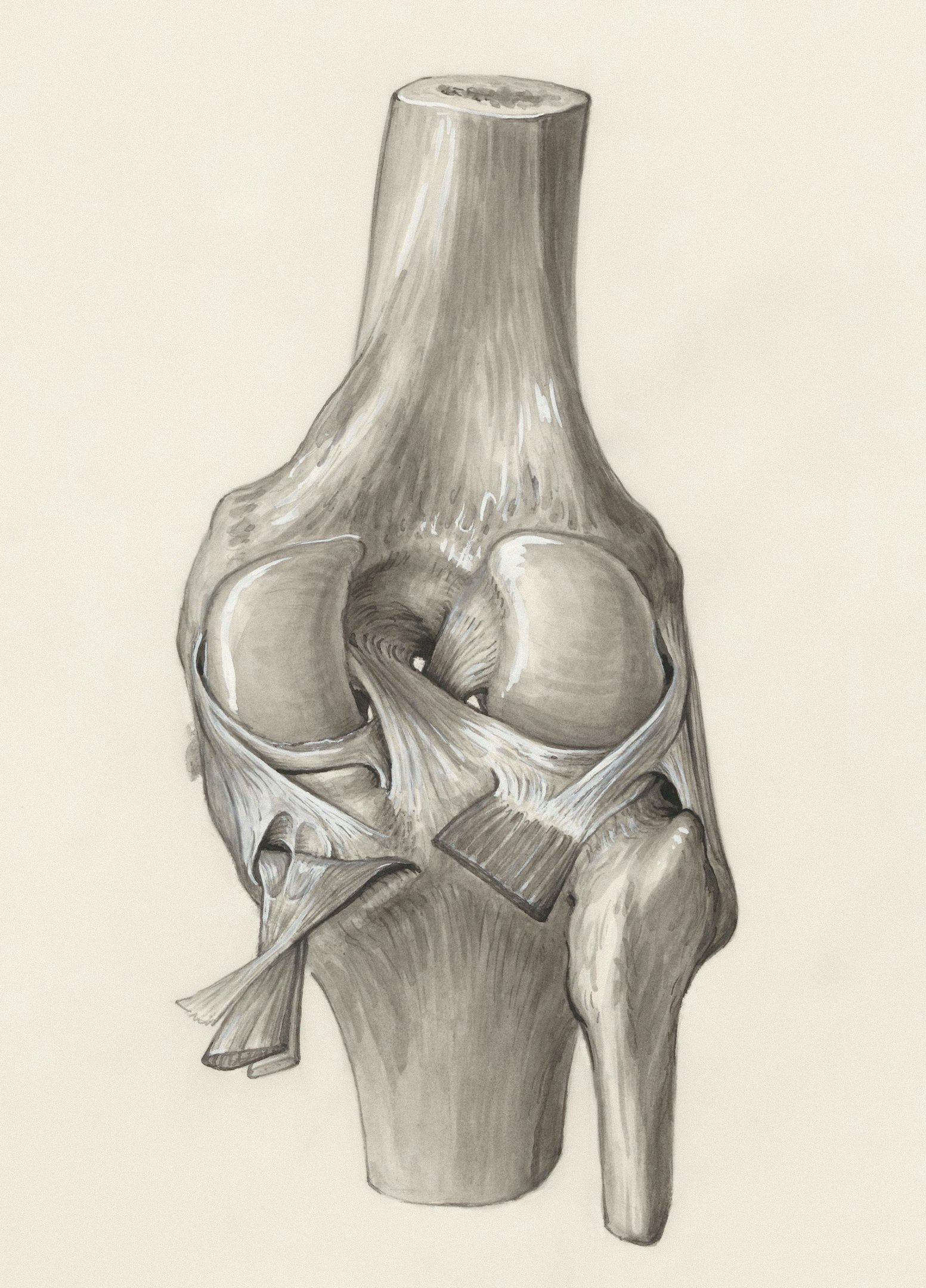
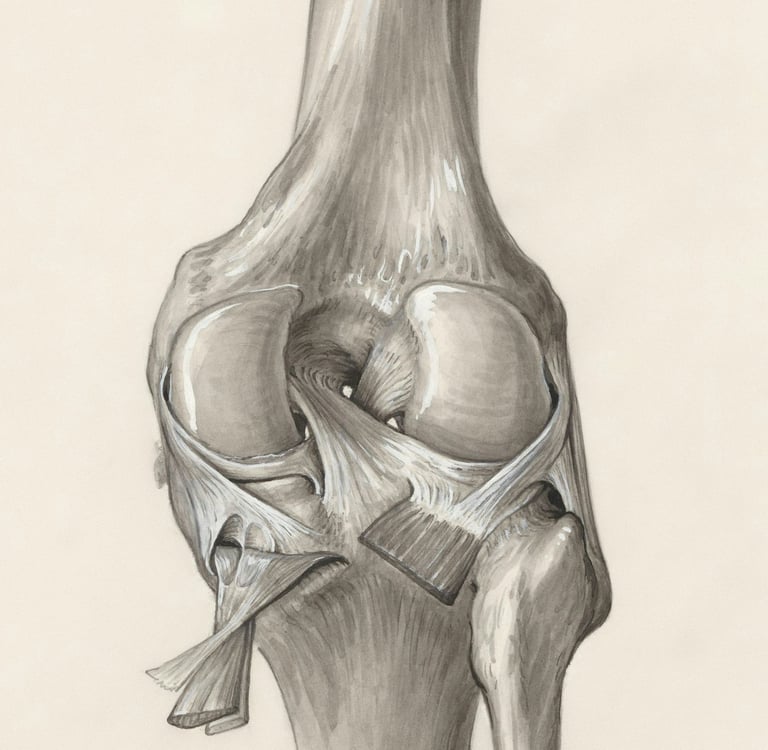
The ACL (anterior cruciate ligament) is a key ligament in the knee that connects the thigh bone (femur) to the shin bone (tibia).
Main Functions:
Stabilizes the knee joint
Controls forward movement of the tibia
Supports rotational stability
An ACL injury typically occurs when this ligament is stretched or torn, often during sudden movements.
What Causes ACL Injuries?
Most ACL injuries are non-contact, meaning they happen without direct impact.
Common Causes:
Sudden direction changes (cutting movements)
Pivoting on a planted foot
Landing incorrectly from a jump
Sudden stops or deceleration
According to the American Academy of Orthopaedic Surgeons (AAOS), over 70% of ACL injuries are non-contact.
Symptoms of an ACL Injury
Recognizing an ACL injury early is crucial for proper treatment.
Key Symptoms:
A “popping” sound at the time of injury
Immediate swelling
Knee instability or “giving way”
Pain and limited range of motion
If you experience these signs, medical evaluation is essential.
Types of ACL Injuries
Not all ACL injuries are the same.
Grades of Injury:
Grade 1: Mild stretching of the ACL
Grade 2: Partial tear
Grade 3: Complete tear
A complete tear often requires surgical intervention, especially for active individuals.
Diagnosis of ACL Injuries
Doctors use a combination of physical exams and imaging.
Common Diagnostic Methods:
Lachman test (knee stability test)
MRI scans to confirm ligament damage
X-rays to rule out fractures
Accurate diagnosis ensures the right ACL treatment plan.
Treatment Options for ACL Injuries
Treatment depends on the severity of the ACL injury and activity level.
Non-Surgical Treatment:
Physical therapy
Strengthening exercises
Knee bracing
Surgical Treatment:
ACL reconstruction surgery
Followed by structured rehabilitation
Research in the Journal of Orthopaedic & Sports Physical Therapy shows that rehabilitation is critical regardless of treatment type.
ACL Recovery Timeline
Recovery from an ACL injury varies, but most follow a structured timeline.
Table: ACL Recovery Phases
Key Stages of ACL Rehabilitation
1. Early Recovery (0–6 Weeks)
Focus on reducing swelling and regaining motion after an ACL injury.
2. Strength Building (6–12 Weeks)
Exercises target quadriceps, hamstrings, and core stability.
3. Functional Training (3–6 Months)
Includes balance, agility, and sport-specific drills.
4. Return to Sport (6–9+ Months)
Athletes gradually return once strength and stability are restored.
According to the British Journal of Sports Medicine, returning too early increases re-injury risk by up to 30%.
Risk Factors for ACL Injuries
Certain factors increase the likelihood of an ACL injury.
Common Risk Factors:
Weak leg muscles
Poor landing mechanics
Lack of neuromuscular control
Previous knee injuries
Women athletes are also at higher risk due to anatomical and hormonal differences.
Prevention Strategies
Preventing an ACL injury is possible with proper training.
Effective Prevention Methods:
Strength training (especially hamstrings)
Balance and stability exercises
Proper warm-up routines
Technique training for jumping and landing
Programs like FIFA 11+ have been shown to reduce ACL injury risk by up to 50%.
Psychological Impact of ACL Injuries
Recovery from an ACL injury isn’t just physical—it’s mental.
Common Challenges:
Fear of re-injury
Loss of confidence
Motivation issues
Mental support and gradual exposure to sport are key to full recovery.
What You Can Learn from Elite Athletes
Athletes like Virgil van Dijk demonstrate that recovery from an ACL injury is possible with the right approach.
Practical Tips:
Follow a structured rehab program
Don’t rush recovery
Focus on strength and stability
Listen to your body
Consistency is crucial for successful ACL recovery.
Internal Linking Suggestions
Read our article about “How Cristiano Ronaldo Maintains Peak Fitness at 40”
Check out “Pre-Game Anxiety: How Elite Players Stay Calm”
FAQ: ACL Injuries
1. How long does it take to recover from an ACL injury?
Most people recover in 6–9 months, but full recovery can take up to a year.
2. Do all ACL injuries require surgery?
No, mild or partial tears can sometimes be treated without surgery.
3. Can you walk with a torn ACL?
Yes, but the knee may feel unstable and unsafe for sports activities.
4. What is the biggest risk after recovery?
Re-injury, especially if returning to sport too early.
5. How can ACL injuries be prevented?
Through strength training, proper technique, and injury prevention programs.
References
American Academy of Orthopaedic Surgeons – https://orthoinfo.aaos.org
British Journal of Sports Medicine – https://bjsm.bmj.com
Journal of Orthopaedic & Sports Physical Therapy – https://www.jospt.org
FIFA Medical Network – https://www.fifamedicalnetwork.com
Conclusion
An ACL injury can be a major setback, but with proper diagnosis, treatment, and rehabilitation, full recovery is achievable. Understanding the recovery timeline and following evidence-based strategies are key to returning stronger and safer.
Whether you’re an athlete or simply active, taking care of your knees today can prevent serious injuries tomorrow.
👉 For more expert health, recovery, and performance insights, explore HealthInteligence.com and stay at the top of your game.
Contact
Questions? Reach out anytime, we're here to help.
© 2025. All rights reserved.

